Seager Returns to Rangers Lineup, But Injury History Complicates Offensive Outlook
By Justin Erickson ·
Texas activated its star shortstop after a 12-game absence, but two back injuries in five weeks raise durability concerns heading into a grueling stretch.
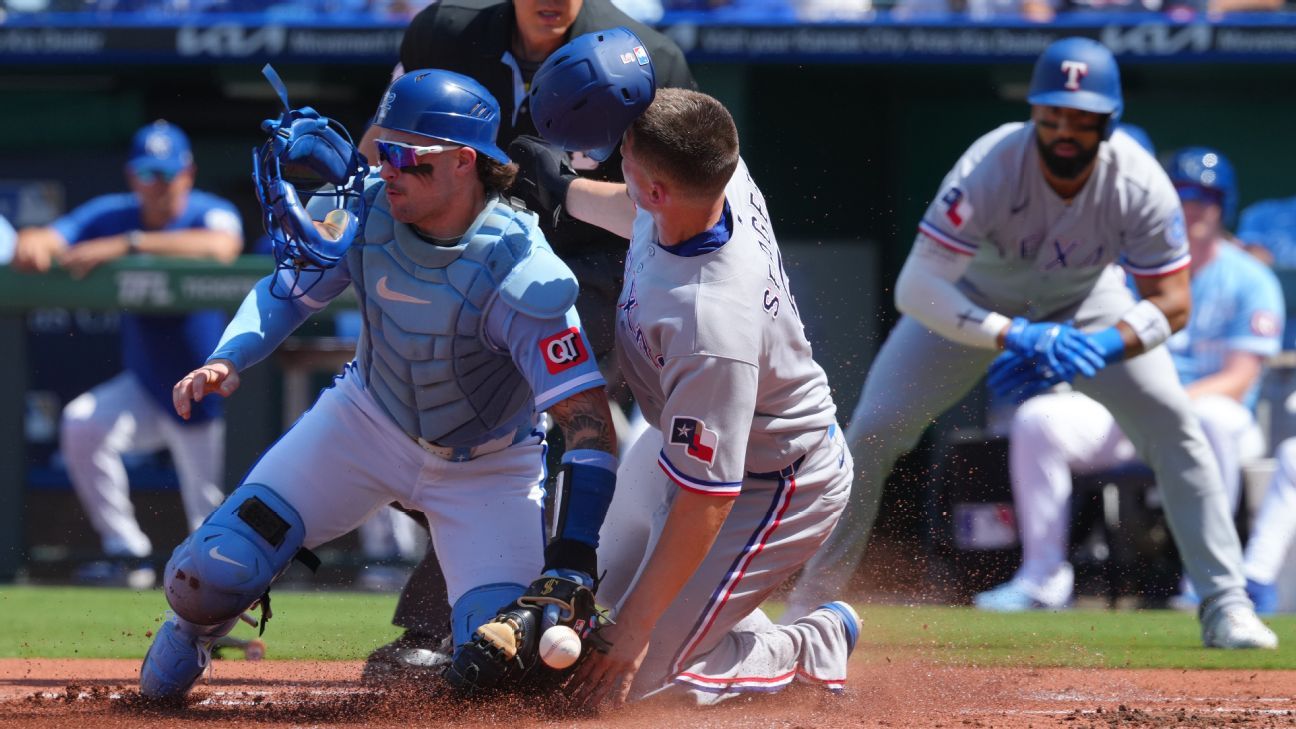
Corey Seager is back in the Rangers lineup Thursday against Toronto, activated from the concussion list after missing 12 games. The move comes as Texas enters the eighth day of a 15-consecutive-game stretch—a fixture that will test the durability of any returning player, let alone one navigating his second major injury in five weeks.
Seager's timeline is the real story here. He returned from lower back inflammation on June 5 after a 19-game absence (May 15–June 4), played five games, then suffered a concussion on June 11 when he collided with Kansas City catcher Carter Jensen. What's notable: Seager stayed in the game and hit a home run, then landed on the seven-day concussion IL. That's the surface narrative. The underlying pattern—back inflammation, a five-game window, then a collision injury—suggests a player still managing physical fragility even if he's been cleared to play.
The offensive numbers before Thursday tell the story of a hitter still finding his footing. In 47 games played this season, Seager carries a .186 batting average with nine home runs and 24 RBI. That's not the two-time World Series MVP signature line; it's a player whose timing and confidence have been fractured by repeated absences. Back injuries in particular carry cascading effects on swing mechanics—the lower back is the anchor of hip rotation and weight transfer. A hitter coming off inflammation doesn't regain full explosiveness overnight, and Seager's power output (0.19 HR per game) sits well below his career norm.
For prop bettors, the angle is less about Seager's individual stat lines and more about Texas's offensive architecture during this 15-game gauntlet. With Seager recently reactivated and still operating below full operational capacity, the Rangers' team total sits vulnerable to underperformance against quality starting pitching. His presence in the lineup at shortstop is a net positive defensively and for table-setting, but his offensive ceiling—the leverage plays in tight games—remains capped until he logs consecutive healthy weeks. The book likely prices Seager's return as a straight plus-one to Texas's win probability; it hasn't fully accounted for the mechanical rust that lingers after dual injury interruptions. Target Rangers team totals under their season-line averages for the next 10 games or until Seager posts a multi-game stretch above .220 BA.
Freeman's herniated disk, meanwhile, removes depth at the utility position during precisely the stretch when Texas needs roster flexibility. That's a secondary but real signal: the Rangers are leaning on a recovering shortstop while losing positional versatility. In a 15-game run, that compounds.