Sale's 10th All-Star Nod Validates Braves' Rotation Gamble—and Signals Bullpen Stability Ahead
By Justin Erickson ·
Chris Sale's third consecutive All-Star selection joins four teammates heading to the Midsummer Classic, marking Atlanta's deepest All-Star representation since 2023 and validating the front office's rotation overhaul.
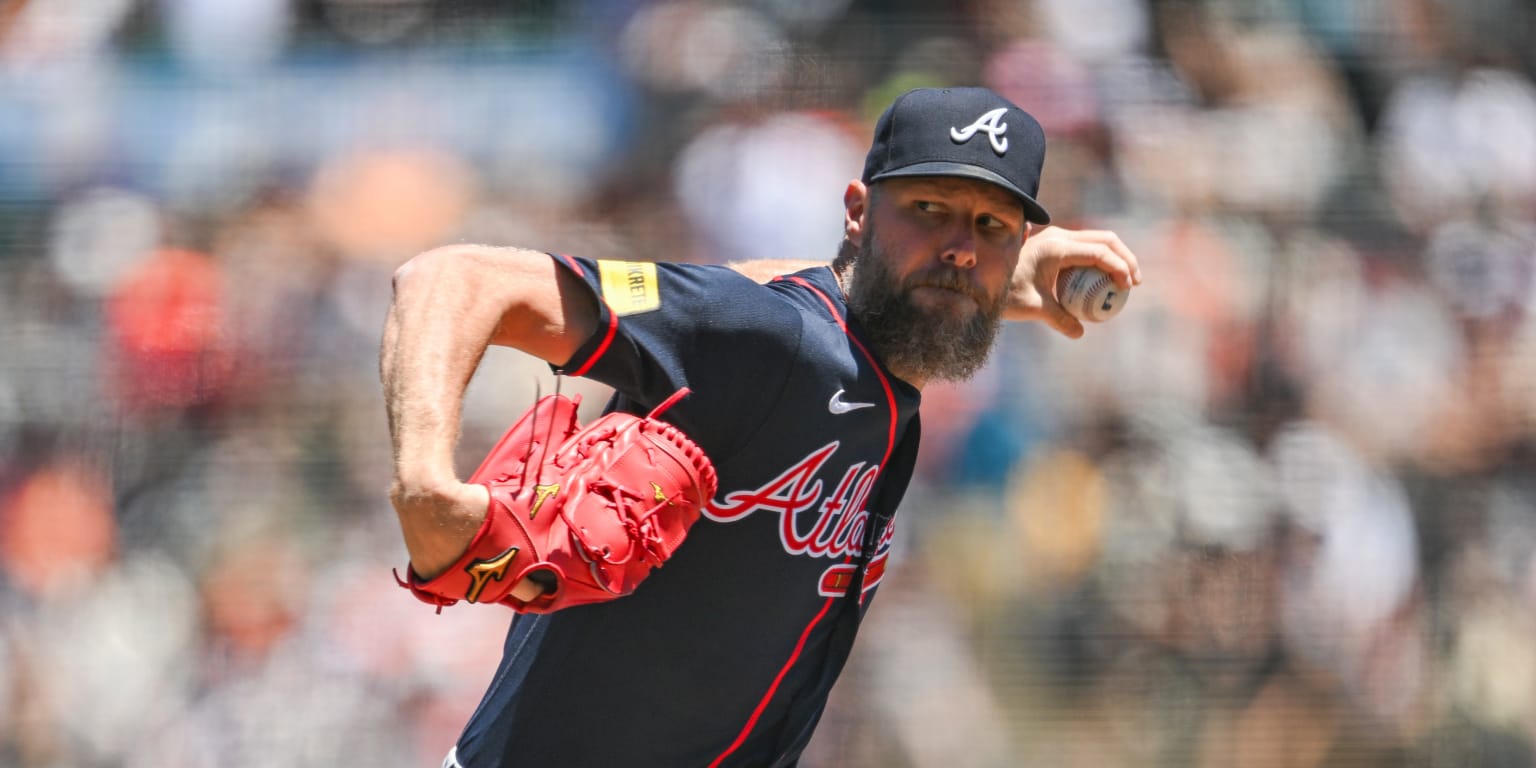
The Atlanta Braves will send five representatives to the 2026 All-Star Game on July 14—Chris Sale, Matt Olson, Ozzie Albies, Drake Baldwin, and Raisel Iglesias—matching the National League high alongside Philadelphia and Los Angeles. Sale's 10th All-Star selection stands as the headline, cementing his status among baseball's most durable performers. The Angels' Mike Trout remains the only active player ahead of him with 12 selections. Sale's achievement carries particular weight in context: he's posted a 2.10 ERA entering Saturday's start against the Mets and has carved out a 1.70 ERA over his past 12 starts, numbers that validate Atlanta's decision to acquire him and anchor the rotation with him as the de facto ace.
The Braves' five selections represent their highest total since 2023, when they sent eight representatives. Olson and Albies are the only carryovers from that roster; Olson has collected four All-Star nods (including three since joining Atlanta before 2022), while Albies earned his fourth selection and will start at second base for the National League. Baldwin's first selection arrives less than a year after winning the 2025 NL Rookie of the Year—a rapid ascent that reflects both his immediate contribution and the franchise's forward planning at catcher. Iglesias, in his fourth full season with the Braves, earned his first selection on the back of a closer-by-committee structure that has worked. Robert Suárez's right elbow inflammation will sideline him through the break, which creates leverage risk for Atlanta's late innings but also underscores how much the team has invested in bullpen depth.
What's absent from this All-Star class is equally instructive. Ronald Acuña Jr.'s injury-plagued season cost him what would have been his sixth selection—a significant marker of Atlanta's offensive dependency on his health. Michael Harris II finished third in National League outfielder voting with 16 percent, just behind Andy Pages of the Dodgers, and remains a top replacement candidate if another position player becomes unavailable. Harris's near-miss is relevant for Braves total projections: his presence in the lineup has been steady (he was on the ballot), which means Atlanta's run production remains tied to a stable mid-order presence rather than relying on the Acuña-dependent explosiveness of earlier years.
From a betting perspective, All-Star selections function as two separate signals. First, they validate pre-break offensive and pitching form—Sale's 1.70 ERA over 12 starts, Olson's tied-for-first 2.8 fWAR among NL first basemen, and Albies' consistency warrant confidence in their continued production through the remainder of the season. Second, they signal vulnerability in depth. Suárez's elbow injury removes a high-leverage arm precisely when Atlanta will need reliability down the stretch; the Braves will depend more heavily on Iglesias and Dylan Lee in close games, which narrows the margin for error in high-leverage spots. This is relevant for team-total and moneyline props in games immediately after the break when the Braves return without a healthy Suárez and potentially fatigued starters (Sale, the Cy Young winner, likely pitches on short rest relative to his peers in the All-Star Game buildup).
The broader picture: five All-Stars validate Atlanta's 2026 construction on paper, but the injury to Suárez and Acuña's absence from the field create operational friction that markets may not yet have fully priced into late-season Braves futures and game-level projections. Sale's continued excellence is real and durable; Olson's power output is proven; but the bullpen is now thinner than the All-Star selection suggests, and that asymmetry favors bettors willing to fade Braves moneylines in close games post-break when leverage pitchers are stretched.