Braves' Post-Deadline Run Exposes Market Lag on Pitching Depth
By Justin Erickson ·
Atlanta's seven-game win streak and second-best MLB record signal that Elder's mid-season command rebirth may be durable enough to carry underestimated depth pitchers into October.
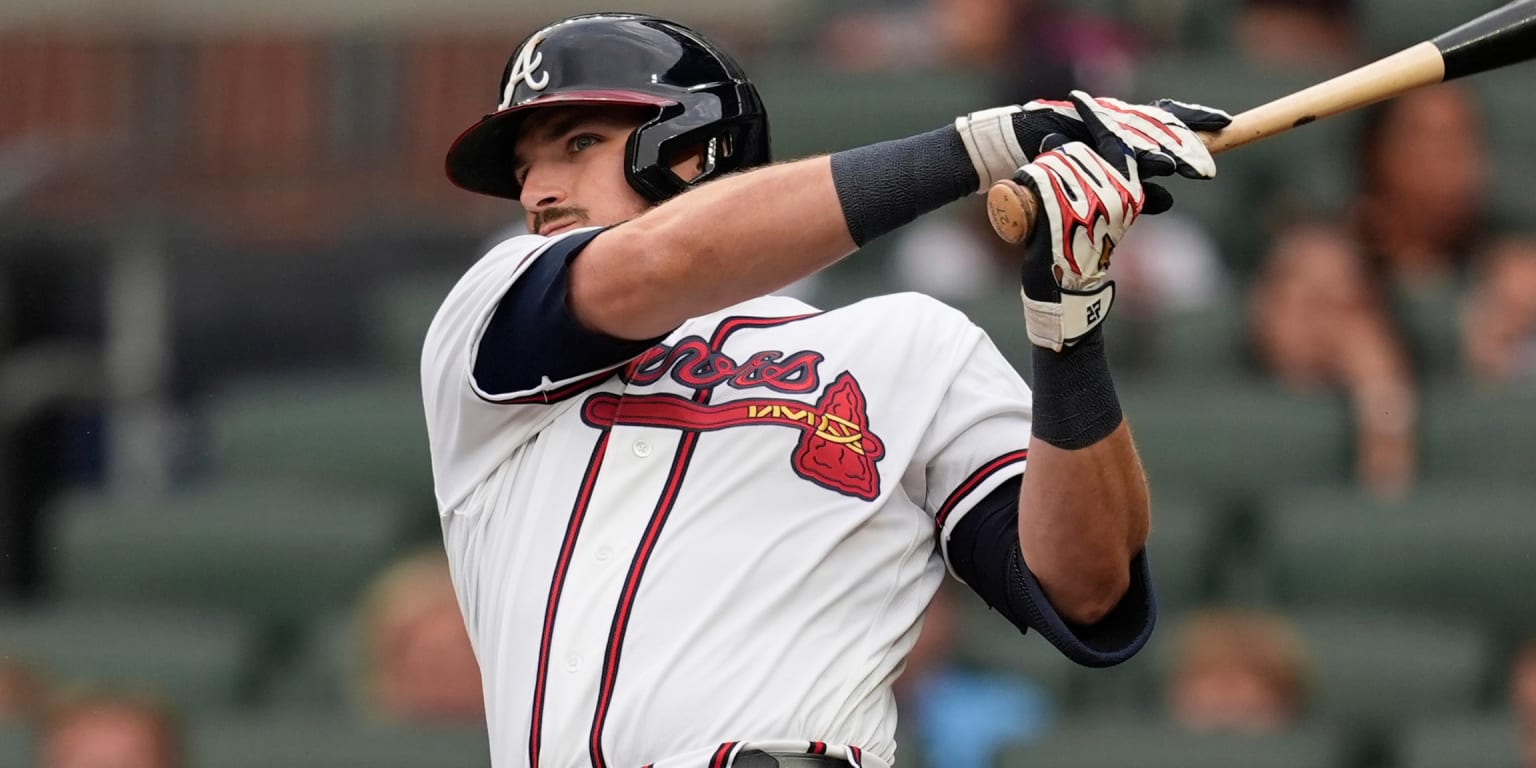
The Braves won their seventh consecutive game Wednesday night, defeating Miami 4-1 behind Bryce Elder's seven-inning gem—one hit, one run, and what Elder himself called the best command he's had in a long time. Atlanta now sits at 69-45 with a .605 winning percentage, trailing only Milwaukee (.623) and marginally ahead of Los Angeles (.600) for the league's elite record tier. This happens to be the same franchise that lost 19 of 28 games before the All-Star break and declined to acquire a frontline starter at Monday's trade deadline. The contrast matters for how the market prices Atlanta's October ceiling.
Elders' performance Wednesday capped a striking four-start resurgence: 1.50 ERA across 24 innings since the break, after he'd posted an 11.00 ERA over his final four starts before it. The underlying command improvement is real. His changeup, which he flagged as the breakthrough pitch, has functioned as a strikeout complement to whatever velocity he brings—and at 26 years old with a 2.71 ERA over his prior 21-start stretch dating back to late August 2025, Elder occupies a tier of mid-rotation stability that advanced rosters have learned to value highly in October baseball. The Braves' refusal to upgrade the rotation wasn't surrender; it was confidence in what they already had once the deadline noise cleared.
Austin Riley's second-half resurrection pairs with Elder's command reboot to illustrate the difference between seasonal lows and structural decline. Riley entered the break hitting .207 with a .617 OPS—a number that triggered trade-deadline intrigue about his durability as a third baseman. Since then he's hitting .303 with a .897 OPS, and more tellingly, he's averaging a 95.5 mph exit velo in that span versus 90.5 mph pre-break. His RBI double Wednesday clocked 109.5 mph. The power hasn't spiked yet—four homers in 19 games isn't a surge—but the bat speed and contact quality suggest a player who was mechanically defeated before the break, not permanently diminished. When that flips to pure performance, the delta will be material.
From a betting lens, the critical asymmetry is this: the Braves' 14-5 record since the break implies bullpen depth, middle-order contact hitting, and borderline-elite starting pitching are all operating in concert. If Elder's command holds—and a four-start sample with a 1.50 ERA and a manager's endorsement of his mechanics is more signal than noise—then Braves moneyline and spread prices against sub-.500 opponents will systematically undervalue Atlanta's ability to suppress early-innings damage. Pitching quality compresses margins in close games; Elder's recent excellence is exactly the kind of pattern that sharpens those margins. The market has not yet recalibrated moneyline odds to reflect a rotation anchored by Max Fried, Charlie Morton, and a 26-year-old who just threw seven innings on three hits. Lean Braves in close contests until that repricing occurs.
Rileys post-break contact profile—harder exit velos, better contact rates, a .303/.897 line—also tilts team total props upward. At 4.5 or 4 team runs (depending on the opponent's starting pitcher), Atlanta's recent offensive rhythm should continue to pay dividends against anything but elite fastball arms. The seven-game streak isn't a fluke; it's the team rediscovering the mechanics and confidence that made them competitive before June's collapse.