Chase Burns Is Cincinnati's May Lifeline—and a Strikeout Prop That's Underpriced
By Justin Erickson ·
A 23-year-old right-hander has carried the Reds' offense on his back through their worst month, posting a 0.72 ERA over four May starts while the team collapses around him.
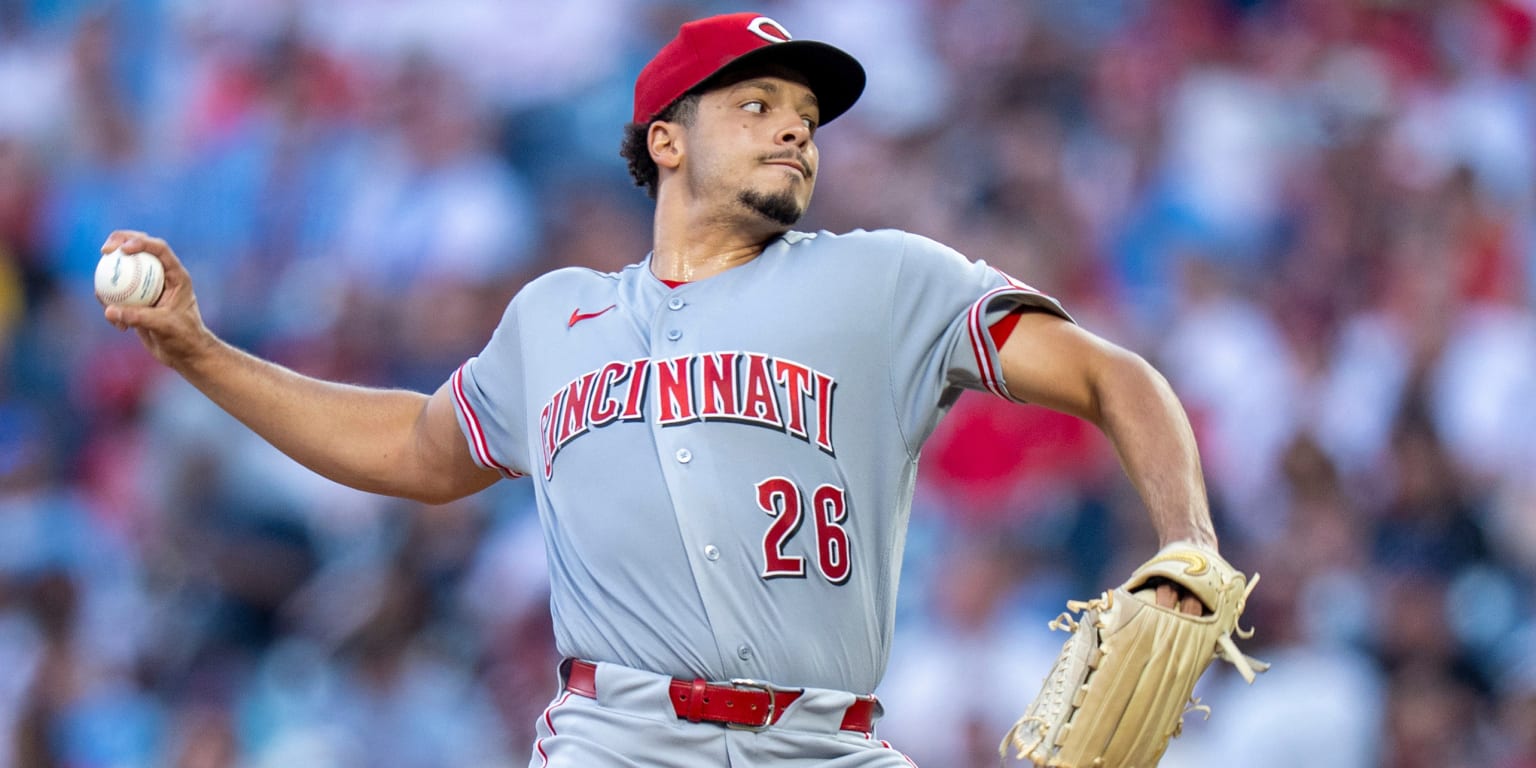
Chase Burns shut down Philadelphia's lineup Tuesday night, surrendering one run on three hits over six innings while striking out nine and walking none. The Reds' 4-1 road victory at Citizens Bank Park marked only their second win in 12 games away from home this month—a rarity in a May that has seen Cincinnati plummet from first place in the NL Central to last after dropping 13 of 17 contests. Burns, however, has been the antidote to organizational dysfunction. Through four starts in May, the 23-year-old is 3-0 with a 0.72 ERA, accounting for three of the Reds' five wins since May 1. Over nine starts this season, he carries a 1.87 ERA, second only to Cristopher Sánchez in the National League—a stat line that gains weight when you examine the context: Burns has been brilliant in eight of nine outings, posting a 1.13 ERA with only six earned runs allowed outside of one blowup against the Angels.
The disparity between Burns' performance and his team's collapse reveals why he's become the organizational centerpiece heading into summer. Cincinnati's starters have failed to provide length; Burns has pitched at least six innings in four of Cincinnati's last 18 games—a 22% rate that would be unremarkable on a strong team but is lifesaving here. His bullpen, meanwhile, has been decimated by overuse and ineffectiveness, forcing the Reds into a structural vulnerability where early deficit management becomes impossible. Burns eliminates that problem when healthy, which he has been all season. His 9-strikeout, 0-walk line Tuesday was textbook—a clean statement that he controls the zone and generates whiffs on his terms.
Trea Turner's solo shot in the third inning was Burns' only concession, but he responded by retiring the next 10 batters in order, six via strikeout. That's not volatility; that's a pitcher with command and a high-velocity arsenal (the scouting reports peg his fastball in the mid-90s) imposing will. The Reds' offense cooperated for once, loading the bases with nobody out in the fourth and converting two sacrifice flies into a lead Burns never relinquished. Pierce Johnson, Sam Moll, and Tony Santillan handled the final three innings cleanly—not to suggest they're dependable, but rather that Burns had already done the heavy lifting.
From a prop standpoint, Burns' strikeout rate over his last four outings tells a story the market has been slow to price. His nine-strikeout performance Tuesday followed a 10-strikeout outing and an 11-strikeout line earlier this month. Over his last four starts, Burns has struck out 40 batters in 24.2 innings—a 14.6 K/9 rate. His season rate sits at 10.8 K/9, which is solid but masks the tier he's operating in lately. The Phillies' lineup is no pushover—they possess the NL's most potent offenses—yet Burns extracted nine strikeouts on 87 pitches. That efficiency matters because it suggests the strikeout line hasn't adjusted upward to reflect his May trajectory. Oddsmakers typically lag on young pitcher strikeout lines until the sample reaches 15-20 recent games; Burns is still early enough in his hot streak that books may still be pricing him at season-average volatility rather than May performance.
The durability question is legitimate—Cincinnati's front office will likely manage his innings as the calendar turns—but for the remainder of May and into early June, Burns is operating at an elite level against a favorable strikeout-projection model. His next start(s) should carry a strikeout line that reflects his season average, not his current run. That's your edge.