Red Sox Gamble on Guerrero's Return: Depth Depth Move Signals Bullpen Instability
By Justin Erickson ·
Boston dredges up a 35-year-old reliever who hasn't pitched in the majors since 2019, revealing how thin the back-end pitching cupboard has become.
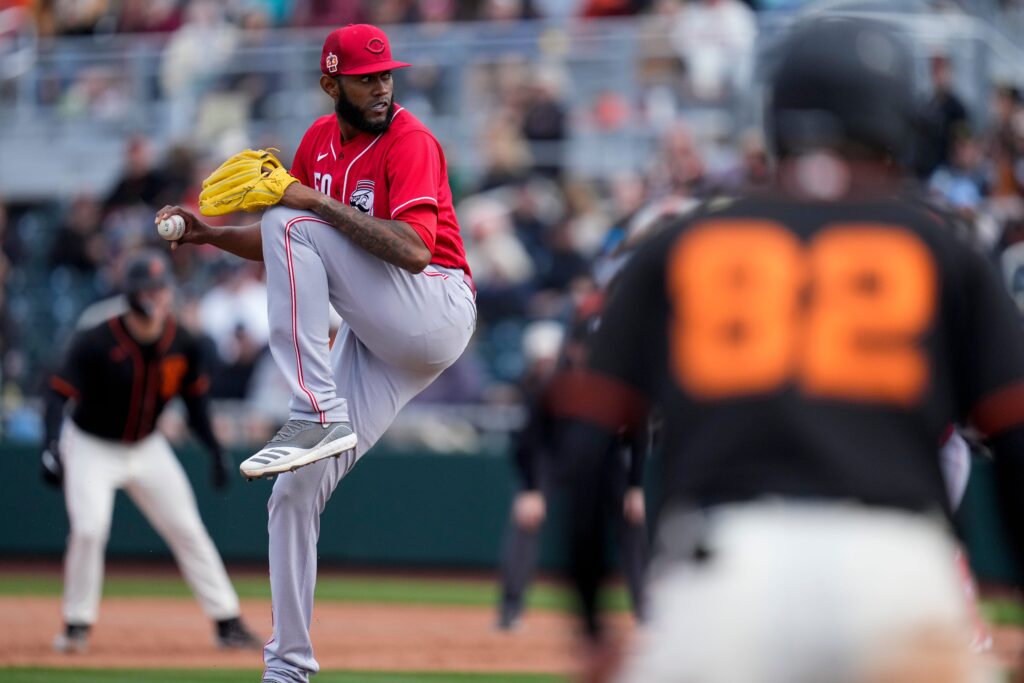
The Red Sox selected the contract of right-hander Tayron Guerrero on Monday, moving Kutter Crawford to the 60-day injured list and optioning Zack Kelly to Triple-A in a pair of corresponding moves. Guerrero, 35, last appeared in a major-league box score with the Marlins in 2019. He spent the intervening years pitching in Japan's Nippon Professional Baseball league—a stateside revival that speaks to Boston's current bullpen desperation more than any organizational confidence in his stuff.
The mechanics of the move are straightforward: Crawford's injury opened a 40-man roster spot, and the Sox needed to fill it. Kelly, a hard-throwing righty who can touch 100 mph, gets shipped to Triple-A for development reps in lower-leverage spots. But the calculus underneath reveals something less comfortable. Boston didn't promote an internal prospect or claim a recent release off waivers. Instead, they reached into the Nippon file cabinet for a 35-year-old whose big-league career ended six years ago. That's not opportunism. That's scraping.
Guerrero's arm action and velocity profile may have aged reasonably in Japan—a league where American returnees sometimes preserve their fastball into their late thirties—but the majors operate at a different cognitive pace. Velocity alone hasn't bought a ticket back to the big leagues for a pitcher of his age and pedigree without a clear pathway to meaningful innings. This is a depth emergency hire, not a calculated rotation solution. The Red Sox bullpen is telling you, through roster construction, that it cannot afford to wait for Kelly to self-correct or for internal depth to graduate.
For prop bettors, this move carries two distinct signals. First, it elevates volatility in bullpen composition games. When a team resorts to seven-year layoffs to fill roster spots, it means higher leverage will fall on the arms that do stay active—Crawford was likely eating important mid-game innings before injury, so his absence pushes other relievers into higher-leverage spots they may not be calibrated for. Second, it softens the floor on Red Sox bullpen strikeout props. Guerrero's strikeout rate in NPB (2023-2024) hovered around 8.1 K/9, respectable but not elite for a major-league threshold. If he absorbs meaningful innings, team strikeout totals face downward pressure. The market will likely overshoot confidence in Boston's ability to replace Crawford's production in-game; the Guerrero selection is a public admission that they cannot.
Watch for Red Sox under plays on strikeout props and bullpen ERA lines in the 3-4 game window ahead. If Guerrero eats innings immediately, the volatility compounds. If he doesn't, his selection confirms the Sox are running dangerously thin on reserve pitching—a structural problem that won't resolve in a week.