White Sox Snap 1,200-Day Ceiling with Five-Game Climb, but Process Trumps Milestone
By Justin Erickson ·
Chicago has won five straight and crossed .500 for the first time in nearly two years, yet the real signal lies in their sustained offensive execution against quality pitching.
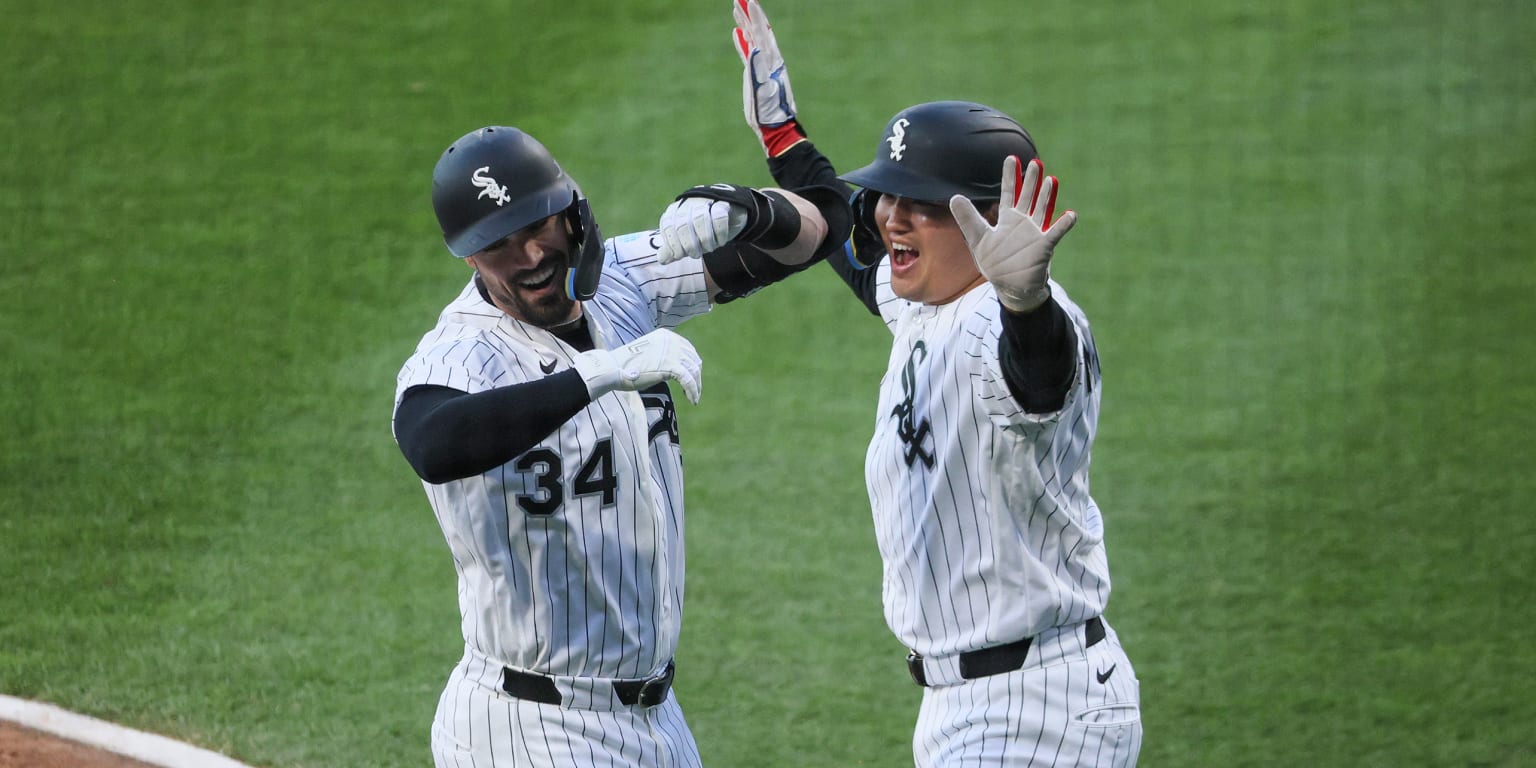
The White Sox moved above .500 on Thursday with a 6-2 win over Kansas City, completing a sweep and extending their win streak to five games. The milestone—their first winning record since October 4, 2022—carries obvious symbolic weight in a rebuild narrative, but manager Will Venable's post-game message reframed the accomplishment correctly: the standings are trailing indicators. What matters is that Chicago's offense is converting opportunities against a team it historically struggles against. The White Sox were 4-22 combined against Kansas City over the past two seasons. They're now 5-2 this year. That's not variance noise; it's a structural shift.
Thursday's game exemplified the pattern. Randal Grichuk, acquired as a free agent on May 4 after the Yankees released him, contributed a two-run single in the third inning and a two-run homer in the first—both added as secondary damage, not primary run creation. Anthony Kay pitched 6+ innings of two-run ball with four strikeouts, controlling the zone without dominance (six hits, two walks). The White Sox have climbed from 6-13 to 22-21 over their last 24 games, a 16-8 run that reflects sustained offensive execution rather than bullpen luck or defensive surfacing. Grichuk's early impact matters here: at 34, he's a low-variance contact bat who works counts. He's not carrying the lineup; he's stabilizing the middle order, which allows younger hitters room to develop without collapse pressure.
For prop bettors, the operational signal is clutch efficiency, not hot-streak chasing. Chicago's offense has moved from last-resort bunts and solo-shot dependency to situational two-strike hitting and productive outs. When Grichuk grounds a two-run single in the third with a runner on, that's repeatable because it reflects approach discipline, not luck. The Royals allowed two runs on six hits—an unusually clean offensive performance from Chicago's perspective. The 16-8 run began after a 6-13 start, meaning the team has played .667 baseball for over a week. That stretch is too compressed to hang season-long projections on, but it's substantial enough to signal that the lineup construction shift (Grichuk's addition, younger bats getting consistent plate appearances) is working.
The immediate prop consideration is team-total elevation. Chicago is heading into a weekend matchup against the Cubs, an in-division rival with different defensive profiles than Kansas City. The White Sox have shown they can produce four-plus runs in the third inning and limit damage against mid-tier starters like Kay. If the Cubs throw a similar pitcher—mid-80s walk rate, fastball-centric—Chicago's team total should sit elevated. Over/unders on their offensive output have likely not fully priced in Grichuk's stabilizing role or the team's recent two-strike discipline. The Cubs' pitching profile will determine whether that advantage persists, but the White Sox have moved from unsustainable underperformance to baseline competence. That's a durable edge for one weekend, at least.
The .500 threshold matters only as confirmation that the organizational direction shifted. Will Venable's April assertion—"the White Sox are good, and they believe they are good"—hasn't aged into delusion; it's tracked with execution. Bettors chasing the narrative hot streak will likely overestimate the durability of this run, but the mechanism underlying it (offensive discipline, contact quality, run prevention) is repeatable. Fade the streak euphoria; play the process.