MLB · transaction
Rays Swap Youth for Experience as Williamson's Hamstring Sidelines Infield Depth
Tampa Bay replaces a 23-year-old prospect with Jorge Mateo's veteran versatility, signaling a shift in infield approach with seven weeks left in the season.
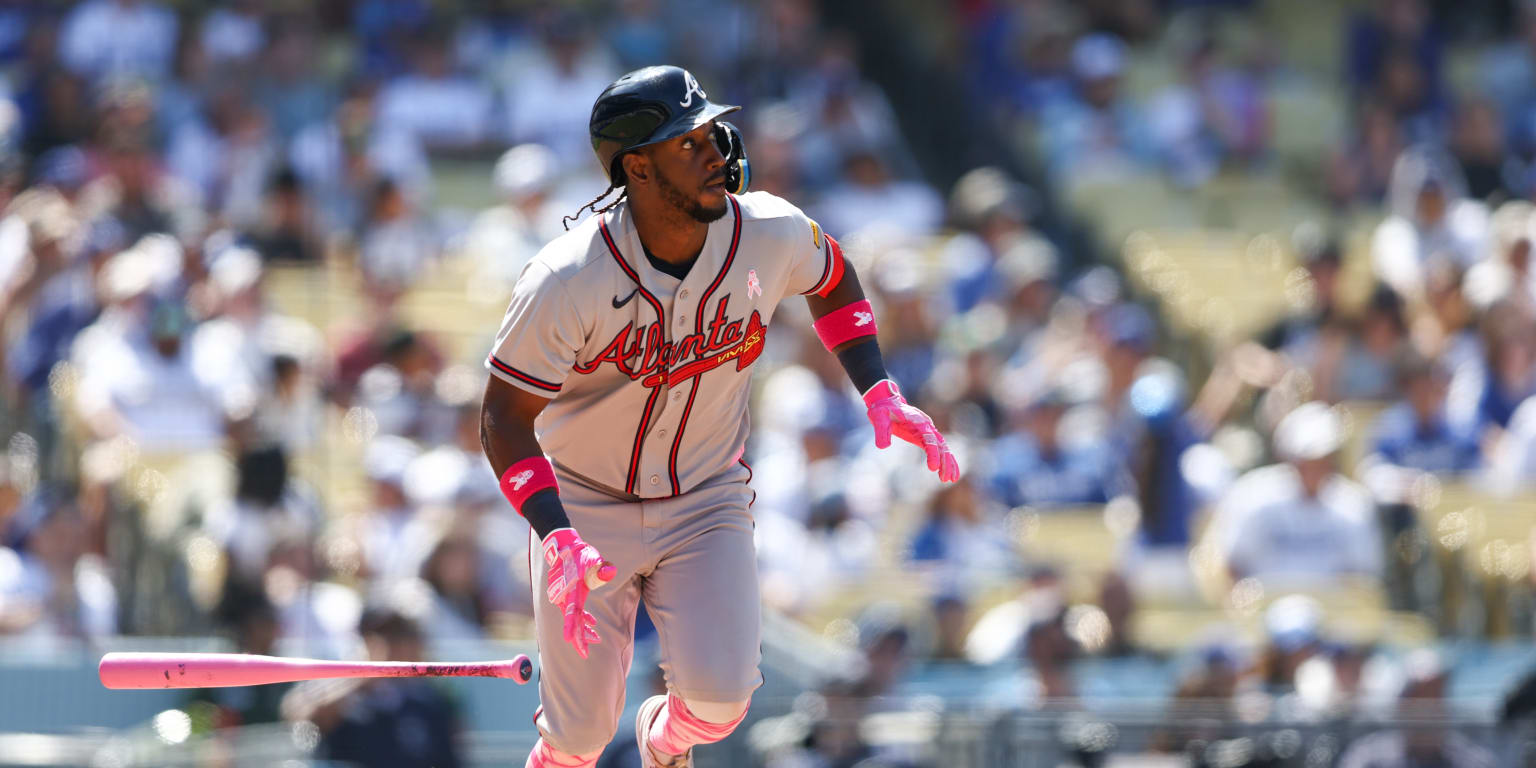
The Rays signed Jorge Mateo to a major-league contract Thursday, deploying the 31-year-old utility infielder to cover Ben Williamson's absence on the injured list. Williamson, Tampa Bay's 23-year-old depth piece, will miss significant time with a right hamstring strain—potentially the remainder of the regular season, with only seven weeks remaining. The move pairs Mateo with familiar faces: he spent five seasons with the Orioles (2021-25) and will rejoin former manager Brandon Hyde, now a senior advisor, along with Cedric Mullins, Bryan Baker, and Tyler Wells already on the roster.
Williamson represented the Rays' youth-oriented bench strategy—reliable glove work, contact-focused approach, and positional flexibility. His .247/.309/.332 line in 2026 didn't inspire, but his 16 games of work came in a clearly defined role: spelling Taylor Walls at short, platooning at second against lefties, and providing defensive depth. At .108 with a .370 OPS, Williamson wasn't pulling his weight offensively, yet the Rays' organizational commitment to him suggested confidence in his development trajectory. That calculus changes when injury removes the timeline.
Mateo arrives with a different profile: 555 major-league games spanning seven seasons, primarily with Baltimore. His 2022 season—35 stolen bases, 13 home runs, 3.7 WAR—established him as a legitimate baserunning threat in a Rays organization that builds small-ball edges into its lineup construction. His career .223/.268/.365 slash is modest, and his strikeout rates exceed Tampa Bay's typical hitter profile, but he's position-flexible across infield and outfield and comes with organizational familiarity. The Braves released him Sunday after designating him for assignment, meaning the Rays pay only a prorated league-minimum salary—a low-cost floor to hedge Williamson's injury.
For betting purposes, the shift is subtle but meaningful. Mateo's elevated strikeout rate and lower contact rates compress the Rays' baseline offensive efficiency modestly; he's not the kind of contact-oriented performer the organization prefers. However, his stolen-base floor (116 steals in 555 games, a .209 per-game rate) introduces a small-ball edge that Williamson couldn't replicate. If Mateo sees 80+ games down the stretch—a realistic scenario given Williamson's injury severity—his baserunning floor supports Rays team unders by creating a steal-first, strike-second offensive dynamic. Williamson's youth and contact skills had slightly inflated expectations for offensive productivity; Mateo's veteran baseline is lower but more predictable. The Rays' run-prevention profile remains elite; their run-generation margins should tighten incrementally with Mateo's insertion.
The bullpen move—recalling Jesse Scholtens from Durham—adds minor variance to Friday's game against Baltimore but carries no season-level significance. Scholtens posted a 3.82 ERA across nine April-May appearances before a wrist injury sidelined him; his return to Durham (3.86 ERA in four starts) suggests he's a bulk-inning option rather than a rotation piece. This is roster churn, not a statement.
MLB Intelligence — Baseball intelligence beyond the box score. Open MLB Intelligence →