MLB · injury
Matz Returns to Rays Rotation Against Orioles; Workload Management Creates Pitching Stack Risk
Steven Matz's first outing back from elbow inflammation carries built-in innings limits that could reshape Tampa Bay's bullpen load in a series finale with playoff implications.
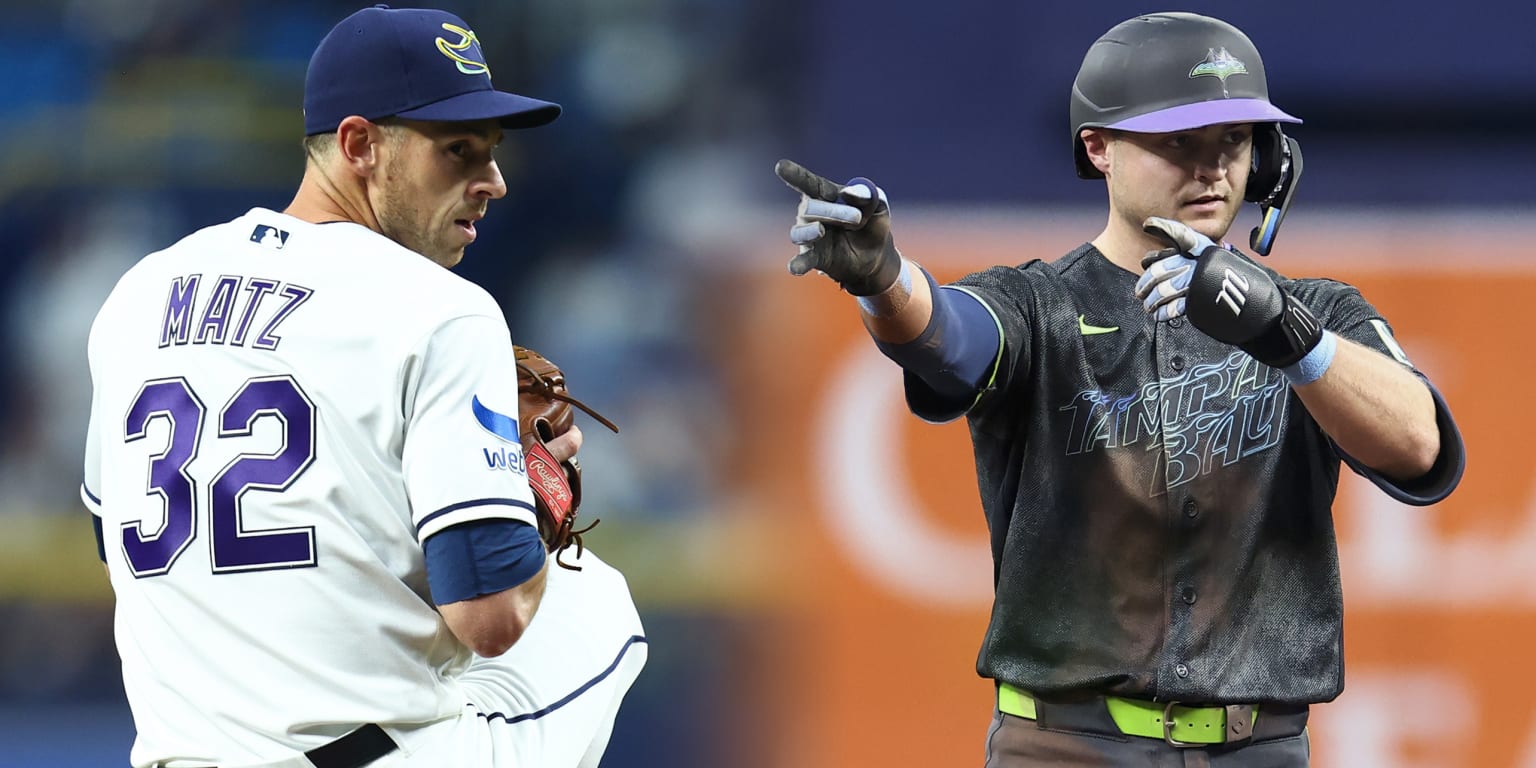
The Rays activated left-hander Steven Matz from the injured list Wednesday to start their series finale against Baltimore, ending a two-month absence that began with left elbow inflammation on May 3. An MRI showed no structural damage, and Matz's recovery progression—five to six days of mound work before activation—suggests the injury was inflammation-driven rather than mechanical. That's the good news. The operational reality is tighter: the Rays will almost certainly cap his innings in this return outing, which means the bullpen inherits a heavier workload than a typical starter's day would demand.
Matz himself acknowledged the conversation loop with manager Kevin Cash and pitching coach Kyle Snyder will center on real-time feedback. That's code for "we're pulling him early if anything feels off." Given that Tampa Bay already moved Ben Williamson to the injured list with a low back strain and acquired Oliver Dunn from the White Sox to backfill infield depth, the roster churn signals a club managing multiple injury contingencies. The Rays' pitching depth is functional but not deep; Jesse Scholtens is positioned as a bulk reliever behind Matz, which means the second half of this game will likely run through the middle-relief core that's been carrying games all season.
For prop bettors, the setup presents a specific edge: Baltimore's offensive profile against left-handed starters has been vulnerable to workload pressure. When opposing lefties exit early, the quality of subsequent relievers drops relative to season averages—not always by name value, but by sequencing and familiarity. The Orioles' power numbers spike against bullpen arms that haven't faced them; against front-line starters, they've been more disciplined. Matz leaving after 4-5 innings, rather than his typical 5.5-6, tilts the leverage toward Baltimore's longer at-bats and deeper counts in innings 5-7.
On Matz's strikeout prop specifically, his K rate before the injury (4.8 per nine) will likely compress in this limited-action return. Fewer innings means fewer strikeout opportunities, but also—and this matters for line-shopping—the market may not fully account for the innings ceiling. If the line prices his strikeouts as a fraction of a typical outing without adjusting for the expected early exit, unders gain value. The Rays' front office is signaling caution; bettors should price the same caution into their models. Conversely, Baltimore's team total edges up slightly because the bullpen transition creates a narrow skill drop that favors aggressive hitters in the middle frames.
MLB Intelligence — Baseball intelligence beyond the box score. Open MLB Intelligence →