Rangers' Blow-Up Response Pattern Rewards Patient Bettors
By Justin Erickson ·
Texas has a documented edge in bounce-back spots after blowouts—and Saturday's 7-6 win over Atlanta shows why the market hasn't fully priced it in.
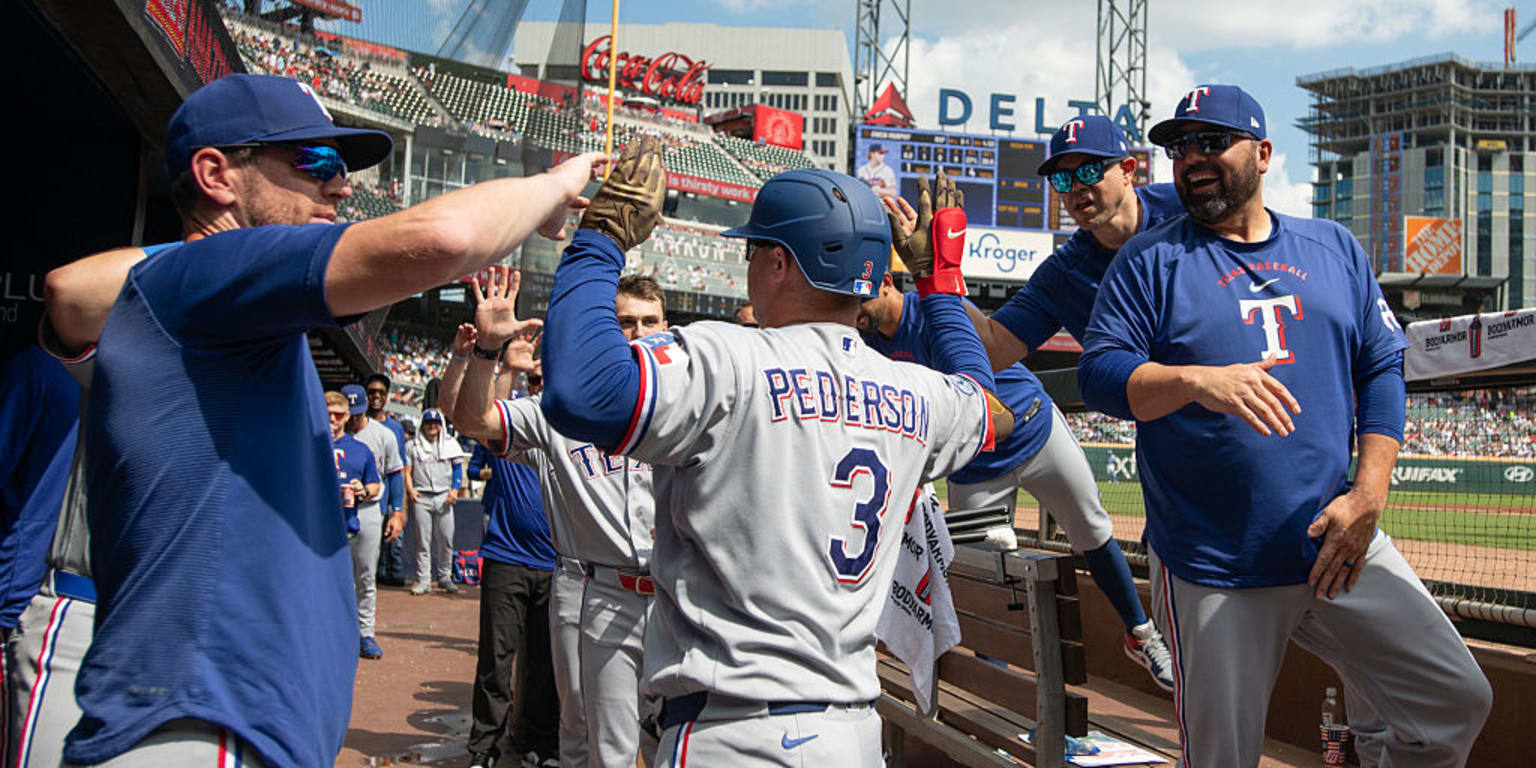
The Rangers absorbed a 14-run beatdown from Atlanta on Friday night, their worst loss since September 2021. By any rational measure, Saturday should have been an emotional hangover. Instead, Texas walked out of Truist Park with a 7-6 victory, driven by Joc Pederson's leadoff home run and a decisive four-run sixth inning featuring Evan Carter's two-run shot and three consecutive two-out singles.
What matters more than the single-game result is the pattern underneath it. Texas enters these games—defeats by six or more runs—with a .636 win rate (7-4 this season), the fourth-best such record in baseball. The Braves, Nationals, and Blue Jays are better at this specific bounce-back task, but a .636 clip still represents a 13.6-percentage-point edge over a .500 baseline. Over their recent stretch in these spots, the Rangers have averaged 5.73 runs per game while holding a .288/.359/.497 slash line, which is materially above their season-long offensive output.
The mechanism is straightforward: teams that lose by a lopsided margin face reduced pressure in the next game. The loss is already in the books. Managers typically lean into lineup changes or strategic adjustments without the weight of extending a hot streak. Bullpens reset. Opposing pitchers don't carry momentum the same way. For the Rangers specifically, Skip Schumaker's framing—"it's always about how you respond to getting your butt kicked"—appears to establish a cultural reset rather than a hangover cycle. That cultural signal is measurable in win rate and run production.
The betting implication surfaces in two places. First, Rangers moneylines in game-after-blowout spots should carry modest underlaid value at standard -110 to -120 spreads, since the market prices these as coin flips when the historical data suggests a 56-57% win expectation. Second, team totals and run line positions benefit from the same logic: a Rangers squad averaging 5.73 runs in bounce-back situations is underpriced when the oddsmakers set team totals at levels that assume baseline production. The edge is durable because it reflects organizational behavior and managerial philosophy rather than a single outlier performance. It persists across multiple months of the 2026 season and carries into future matchups as long as Schumaker's framework holds.
Saturday's victory wasn't a freak spark. It was Texas executing a pattern they've refined all season.