MLB · roster-move
Rangers Trade Organizational Depth for Pitching Floor, Opening Gap in Bullpen Reliability
Texas swaps a depth reliever for veteran arms mid-stretch, betting continuity over upside in a moves-heavy roster recalibration.
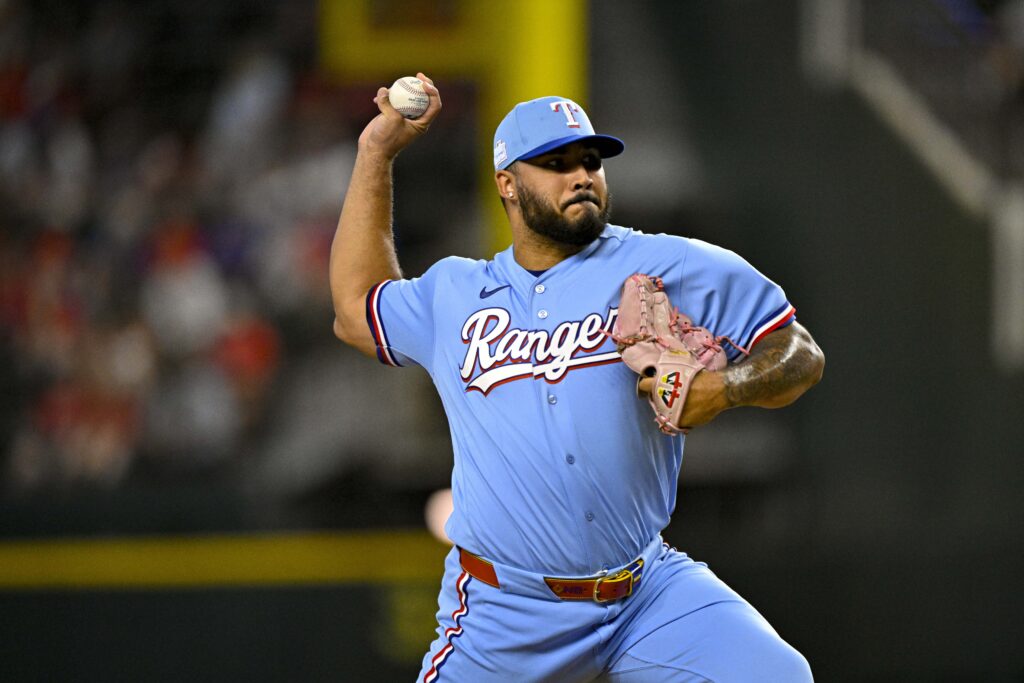
The Rangers made four roster transactions before Friday's series opener against Oakland, the most consequential being the designation of Luis Curvelo for assignment—a move that clears 40-man roster space to activate left-hander Marco Gonzales. Texas simultaneously optioned right-handers Cam Cauley and Ben Peoples and recalled infielder Cody Freeman from Triple-A Round Rock, signaling a deliberate rebalancing of depth.
Curvelo's designation is not a surprise. The 26-year-old righty has logged 38 innings at the major-league level this season with a 4.74 ERA, a 20% strikeout rate, and walk numbers that nudge toward volatility. He was a depth arm—the kind of organizational filler that clubs cycle through when injuries or roster crises demand live bodies. His exit clears the path for Gonzales, a 33-year-old former All-Star making his Texas debut after a brief return from injury. For the Rangers' front office, the math is simple: a veteran left-hander with accumulated leverage in high-leverage situations represents a more reliable insurance policy than another anonymous right-handed reliever in the farm system.
But the move also exposes a front-office calculation about depth. Cauley and Peoples—both optioned in this shuffle—were providing what little roster redundancy the bullpen had constructed. Cauley has pitched in 12 games this season with a 3.27 ERA in 11 innings; Peoples showed up in relief earlier in the year before being relegated to organizational innings. Their demotions free up two 26-man spots, but they also compress Texas's buffer against injury. If Gonzales underperforms or gets hurt—a non-trivial risk for a 33-year-old returning to action—the Rangers are betting on Freeman's bat (called up for infield insurance) and the organizational depth they're simultaneously thinning to absorb the fallout.
From a pitching-usage standpoint, Gonzales's presence changes the bullpen profile only marginally. A left-hander with his background typically slots into multi-inning relief or spot starts, reducing reliance on right-handed specialists in certain leverage situations. Teams that lose a defined left-handed reliever (even a middling one like Curvelo) and replace him with a higher-quality veteran sometimes see their platoon matchup flexibility improve, but also their total innings-per-appearance increase—meaning fewer pitching changes and potentially longer exposure to one arm per at-bat.
For props, this recalibration matters in two ways. First, Rangers bullpen strikeout rates may consolidate upward in the short term if Gonzales takes on higher-leverage innings than Curvelo ever would have, but the depth-chart compression increases injury volatility for the remainder of the season. Any Ranger reliever prop (K props on bulk relievers, ERA lines on designated closers) carries elevated variance for the next 4-6 weeks. Second, the Freeman recall signals the team is comfortable accepting deeper bench appearances for positional flexibility; if his bat matters in close games, team total props may benefit from a marginal boost in on-base-rate in late innings, but this is a secondary effect. The primary edge is avoidance: fade bullpen reliability props on Rangers depth arms until the depth chart stabilizes. Gonzales himself is worth tracking on strikeout and appearance-frequency lines if books release them—a veteran baseline with known leverage usage is more defensible than younger organizational arms, making his props the least volatile surface for Texas pitching the rest of August.
MLB Intelligence — Baseball intelligence beyond the box score. Open MLB Intelligence →