MLB
Rangers' 2026 Collapse Complete: Gore Fumes, Defense Missing Pieces, Offense Vanishes When It Matters
Texas needed a win and an Astros loss to survive; it got neither, finishing fourth in the worst division in MLB history and leaving its biggest offseason addition and star lineup pieces on the sidelines.
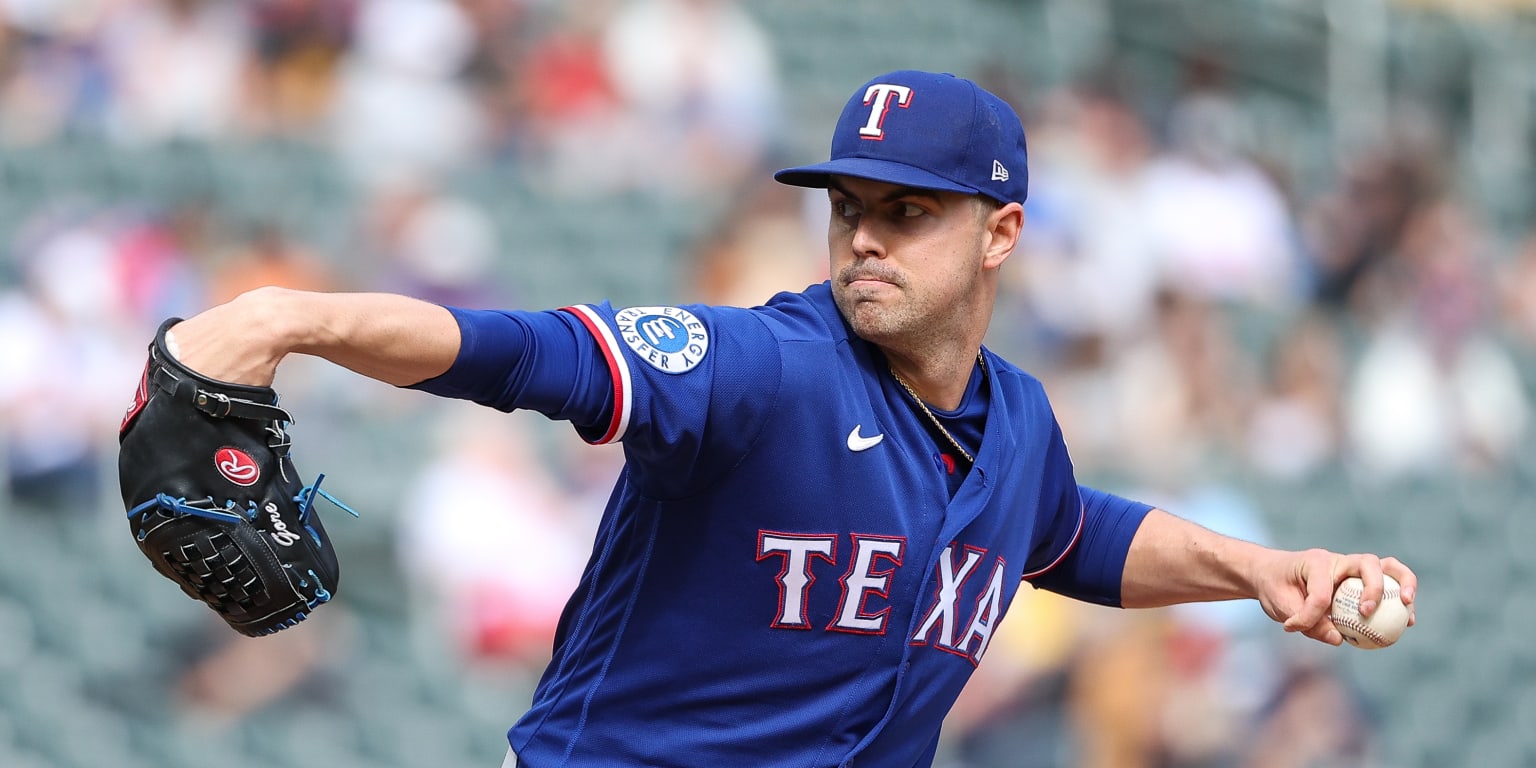
The Rangers' 2026 season ended not with the drama of a tiebreaker or the intrigue of a wild-card clinch, but with the quiet finality of a 6-4 loss to Minnesota on Game 162 at Target Field. Texas needed a win combined with an Astros collapse to capture the AL West. Neither materialized. The Astros, who will finish at 81-81 and become the worst division winner in modern baseball history, held firm. The Rangers will miss October.
But the manner of the exit crystallizes the Rangers' entire year: a prized acquisition exhausted, a lineup stripped of key producers, and an offense that couldn't generate baserunners against a Twins starter carrying a 4.97 ERA into the day. MacKenzie Gore, the club's marquee offseason signing, lasted just 2 1/3 innings, allowing one run before the bullpen took over—a bullpen that ranked 10th in the AL with a 4.44 ERA and had no business shouldering a Game 162 workload. Gore's performance wasn't an anomaly; it was a symptom. He'd been running on fumes for a month. The Rangers mustered three baserunners in seven innings against Dean Kremer, a pedestrian Twins starter by most metrics. The only offense came in isolation: solo homers from catchers Elias Diaz and Danny Jansen, and a two-run shot from Corey Seager in the ninth when the game was effectively decided. Josh Jung and Joc Pederson, two of Texas's most productive hitters, sat out with fractured wrists.
The Astros' 81-81 finish represents the worst division winner since the 2006 Cardinals at 83-78, the 1973 Mets at 82-79, and the 2005 Padres at 82-80. The AL West was quantitatively the worst division in baseball history—and the Rangers still finished on the outside looking in. That's less a referendum on Texas's talent than on execution, availability, and the brutal timing of injuries and acquisition decisions. Gore, signed to turn the rotation, delivered neither consistency nor depth in the back half. The lineup's inability to produce without Jung and Pederson exposed a roster that was built with thinner depth than the situation demanded.
For bettors, the Rangers' elimination carries immediate implications for their remaining games (if any October exhibitions occur) and for next season's preseason valuations. Gore's durability profile now enters draft discussions with concrete downside data; expect his season-long props and innings totals to tighten accordingly. More broadly, this collapse—a team good enough to compete for a weak division but not good enough to execute when it mattered most—signals that Texas front office decisions and injury luck will loom larger than talent evaluation in 2027 projections. The Rangers finished fourth in a historically weak division; that's not bad luck, it's architectural failure during execution.
MLB Intelligence — Baseball intelligence beyond the box score. Open MLB Intelligence →