Gore exits after one inning; Rangers bullpen strain intensifies with Seager sidelined
By Ty Whitney ·
Texas loses its ace mid-start and its star shortstop to back injuries on the same day, forcing the rotation into emergency mode.
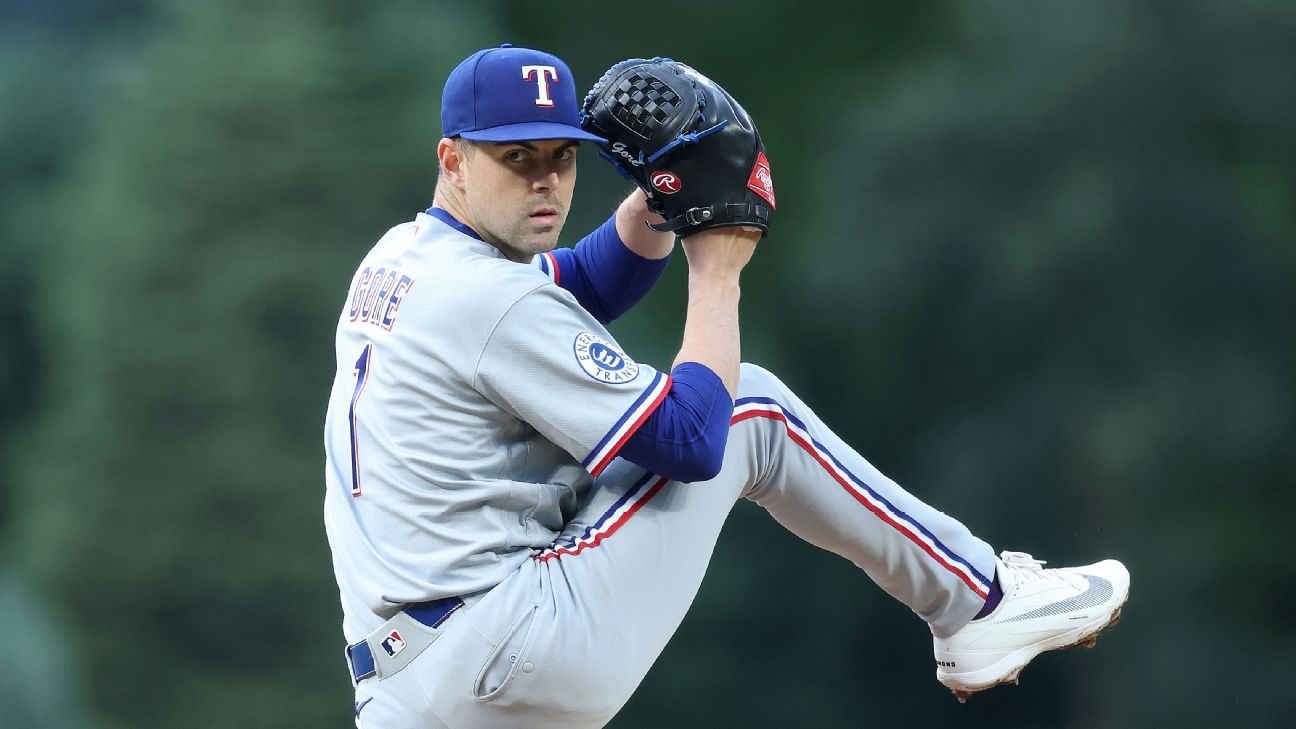
MacKenzie Gore lasted one inning Monday against Colorado before back tightness forced him from the mound, marking the second significant injury blow the Rangers absorbed in a single day. Shortstop Corey Seager had already landed on the 10-day IL earlier that evening due to lower back inflammation, stripping Texas of both an established rotation anchor and its offensive centerpiece in the span of hours.
Gore's exit came after he fielded a slow roller to third base and remained in the game long enough to record two additional outs in the top of the first. The left-hander's decision to stay in the game suggests the tightness emerged as a precautionary pull rather than acute injury, but the fact that he never returned for the second inning indicates the Rangers' medical staff viewed continued availability as too risky. This is Gore's first injury layoff since joining Texas in an offseason trade from Washington, where he carried a pedigree as a top prospect despite a spotty 4.50 ERA across nine starts to open the 2026 season.
The timing compounds an existing roster vulnerability. Without Seager's bat and defensive stability at short, the Rangers offense loses both its anchor in the cleanup spot and the positional flexibility that allowed them to navigate earlier absences. The bullpen, already fatigued from a compressed schedule, now faces a series of shortened starts until Gore returns—and possibly an extended gap if his back issue proves persistent. Back injuries in pitchers are notoriously difficult to predict in terms of recovery arc; inflammation can sideline a starter for weeks or prove merely a one-start nuisance depending on underlying mechanics and inflammation severity.
For betting purposes, this injury pair reshapes the Rangers' near-term trajectory. Team totals for their next 5-10 games should face downward pressure as the lineup operates without Seager's 0.82 plate appearances per game and Gore's spot in the rotation rotates to a bullpen session or replacement arm. The market will likely overestimate Texas's offensive floor without the shortstop and underweight the bullpen fatigue factor; oddsmakers typically anchor to preseason projections rather than real-time roster churn. Colorado and subsequent opponents facing a Rangers team forced into lineup gaps and rotation improvisation represent value spots on the spread, particularly in the next three games while both injuries remain fresh and adjustment windows narrow.
The Rangers' next scheduled Gore start, if it occurs, should be faded entirely for strikeout and ERA props until he logs a full healthy outing in lower-leverage work. Back issues that interrupt mid-start mechanics often persist through velocity dips and command slippage—visible in K-rate compression—even when a pitcher returns to action.