Raleigh's Right Side Resurfaces: Mariners Face Catcher Depth Crisis Mid-May
By Justin Erickson ·
Seattle's star catcher exits a 10-inning loss with the same injury that sidelined him earlier this month, forcing the team to weigh immediate IL placement against a depleted bench.
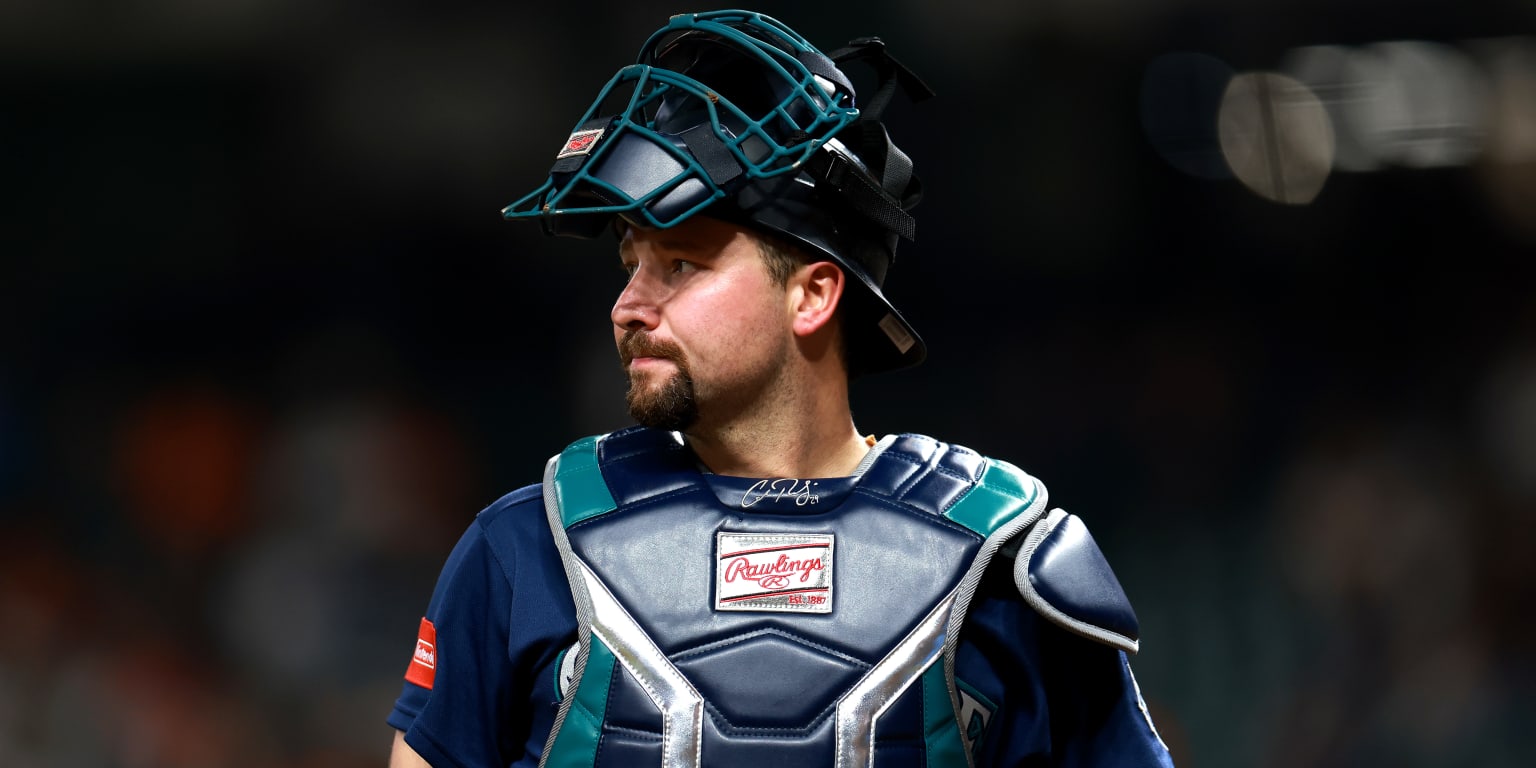
Cal Raleigh limped out of Houston's 4-3 walk-off loss to the Astros on a precautionary exit in the ninth inning when right side discomfort—the same issue that cost him three games two weeks prior—flared up during a defensive sequence. Manager Dan Wilson removed him after watching him grimace while backing up a relay throw in the eighth, then unable to complete a 6-2-3 double play that would have escaped an inning-ending jam. The injury surfacing twice in as many weeks signals something more persistent than a one-off strain.
The mechanics of Raleigh's removal expose the organizational constraint Seattle faces. With the bench already exhausted by a 10-inning grind, Wilson had to decide between burning a healthy position player as a pinch-hitter or sacrificing Raleigh's availability. Mitch Garver—pressed into duty as a replacement—logged an eight-pitch walk in the ninth but the damage was done. The Mariners tied the game at 3-3, then lost in the 10th, but the deeper story is roster architecture: Raleigh has never been on the injured list in six seasons, which suggests durability, but also that Seattle hasn't built redundancy at catcher beyond Garver and the Triple-A option Jhonny Pereda. If Raleigh requires imaging and IL time, the Mariners' offensive profile shifts immediately.
Raleigh is a high-contact, power-generating catcher: he's produced 40+ extra-base hits in back-to-back seasons and carries one of the league's higher ISO rates among primary catchers. His 3.5+ plate appearances per game give him significant volume in the lineup. When he's off the field—even for three games—Seattle's offensive output flattens. The team's run creation becomes dependent on Julio Rodríguez, who went 0-for-4 on Thursday, and a middle-order group (Josh Naylor, Mitch Haniger) that doesn't generate the same baseline power. Garver is a reliable backup but hits for lower average and slugging than Raleigh; his 2026 season has been quiet, posting sub-.250 batting average through mid-May.
For bettors, the angle here hinges on how long Raleigh sits. Wilson's downplaying language—"precautionary," "we'll see tomorrow"—typically masks incremental decisions that snowball into 7-10 day absences. If imaging reveals a muscular strain (intercostal or oblique), IL placement is likely. That removes 60+ PA from one of Seattle's most reliable power sources and forces Garver into a starting role he hasn't carried in years. The offensive output against right-handed pitching specifically dips when Raleigh is out; his .500+ slugging percentage against RHP is Seattle's second-best among position players. Garver's equivalent sits near .400. Over the next 5-7 games, if Raleigh is sidelined, Seattle's team totals face tangible downward pressure, and unders on their run-scoring lines become actionable—particularly in road games where the Mariners' run production is already volatile.
The secondary angle: monitor whether Seattle calls up Pereda or another catching depth piece. If they add a third-string catcher instead of moving an infielder to the IL, it signals confidence that Raleigh returns within days. If they don't, it means they're preparing for a longer absence and accepting the offensive hit.