Ragans Out Until Mid-2027: Kansas City's Ace Faces Second UCL Repair in Four Years
By Justin Erickson ·
Cole Ragans' elbow surgery eliminates Kansas City's top starter for the remainder of 2026 and deep into next season, forcing the Royals to rebuild their rotation plans.
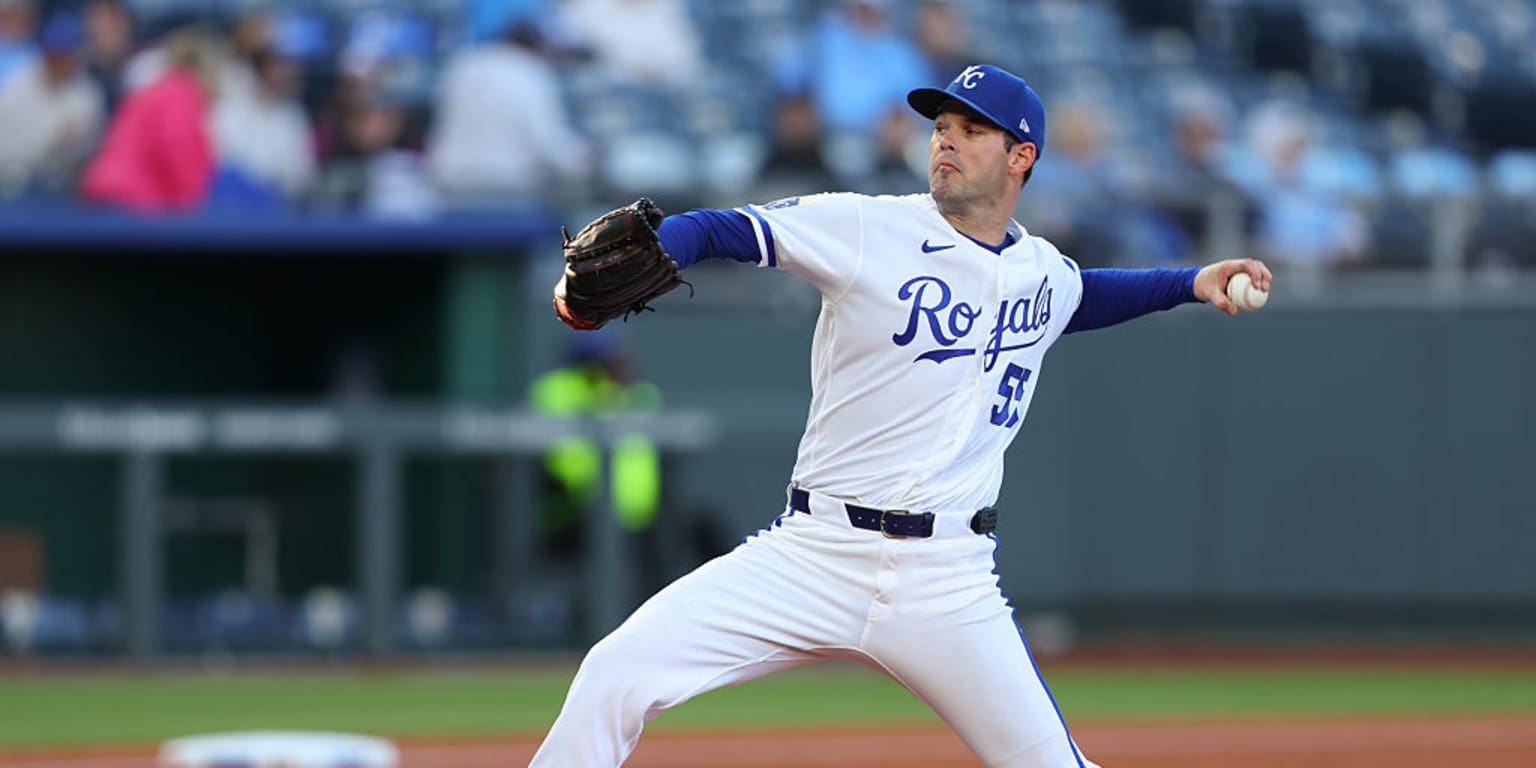
Cole Ragans underwent UCL repair surgery on his left elbow Wednesday in Los Angeles, performed by Dr. Neal ElAttrache. The Kansas City Royals' ace faces a 10-to-12 month recovery timeline, with the organization projecting a midseason 2027 return. This is the second significant UCL procedure Ragans has undergone in his career—he's previously had two Tommy John surgeries—and it arrives at the worst possible moment for a Kansas City rotation already threadbare without him.
Ragans landed on the injured list May 8 with valgus extension overload and never gained traction. A rehab outing on May 23 produced setbacks that cascaded into a complete shutdown after June 12. Rather than a clean four-to-six week absence, Kansas City endured an extended diagnostic period—testing, specialist appointments, mounting uncertainty—before elective surgery became the only viable path forward. The Royals' decision to pursue a repair rather than full reconstruction (Tommy John) suggests the damage was contained, but the 10-to-12 month recovery window is non-negotiable. Midseason 2027 means September at the earliest, possibly later depending on Ragans' ramp-up tolerance.
The timing compounds an injury history that's already eroded his value as an organizational asset. Ragans pitched just 97 innings combined over the past two seasons with a 4.73 ERA. In 2024, he finished fourth in AL Cy Young voting and looked like Kansas City's foundational ace. Since then, groin injuries, rotator cuff strains, and now a second elbow intervention have turned him into a fragile commodity. Eight starts into 2026, he posted a 4.84 ERA before the hammer fell. The Royals have been without him for nearly two months already; this surgery extends that absence into territory where organizational planning shifts from "we'll hold his spot" to "we need to build around his absence."
From a betting perspective, Kansas City's rotation undergoes a structural reset that depresses strikeout totals and increases reliance on mid-tier arms. Without Ragans' strikeout upside—he was tracking for league-average-or-better K rates when healthy—the Royals' pitching prop leverage shifts. Over-unders on Royals games will reflect thinner rotation talent, which typically compresses run scoring through either higher earned run averages or shorter leashes on underperforming starters. Any Royals starting pitcher prop that assumed rotation depth improvement from a Ragans return should now fade; the market will reprice those arms upward as workload increases fall to position players instead of a deeper innings-eating staff. Kansas City's bullpen will absorb innings Ragans would have thrown, elevating fatigue and injury risk for relievers through at least the final two months of 2026 and into early 2027.
General Manager J.J. Picollo acknowledged the loss but framed it as continuity of absence rather than surprise—the Royals had already accounted for two months without Ragans when the surgery became necessary. That's accurate but incomplete. Two months of planned rest is not equivalent to nine months of organizational uncertainty about your ace's durability. Ragans will turn 29 by the time he resumes throwing in game situations; he's now logged a career pattern of significant soft-tissue and ligament issues that no surgery corrects. Any confidence in his durability long-term should reflect that Ragans has missed over 60 games in each of the past two seasons.