Ragans' Rehab Stall Deepens Kansas City's Rotation Crisis
By Justin Erickson ·
A day-after elbow flare-up halts Cole Ragans' return timeline and leaves the Royals rotation crippled heading into a critical stretch.
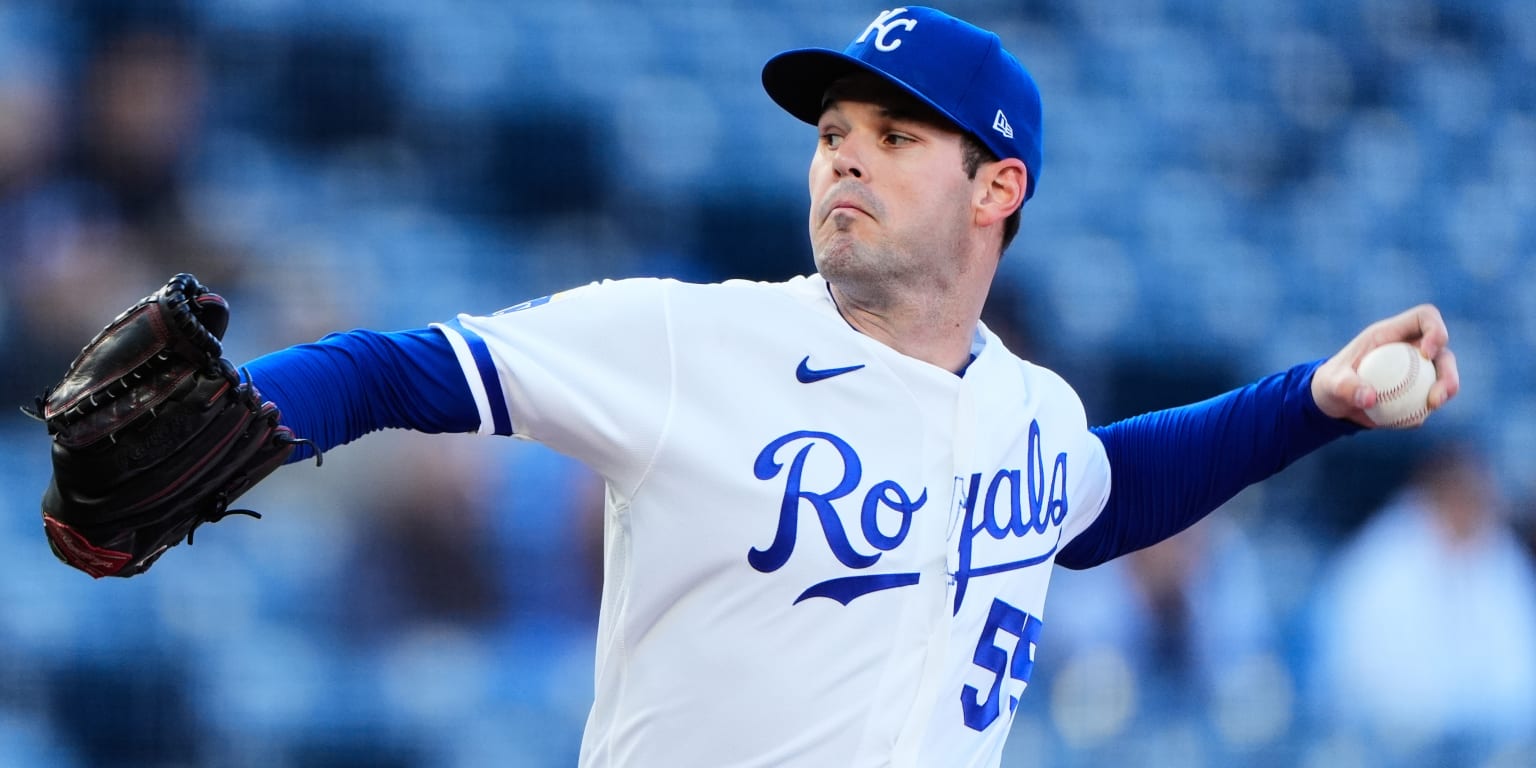
Cole Ragans looked sharp enough on Saturday—four and a third innings, 68 pitches, consistent 95-plus fastball velocity in a Triple-A Omaha rehab start that suggested his return to Kansas City was imminent. Sunday morning brought a different verdict. The left elbow that sidelined him on May 6 with valgus extension overload (pitcher's elbow, the repetitive-stress kind) woke up stiff and inflamed, the exact symptom profile Ragans experienced after exiting his Guardians start in real action. Manager Matt Quatraro announced a 2-3 day shutdown Monday, with reevaluation to follow. If inflammation subsides, Ragans resumes throwing by week's end—a conditional timeline that now reads less like a return window and more like a hope.
The mechanical problem here is instructive for understanding why Ragans' case is different from a routine elbow strain. Ragans tolerated bullpen work cleanly in Kansas City before his rehab assignment. He felt fine during the rehab outing itself. The inflammation arrived only when game-intensity adrenaline kicked in—and only in retrospect, after his nervous system had come down. That's a signal that his elbow can handle velocity and spin in isolation but struggles to manage the cumulative load of competitive stress plus recovery. Valgus extension overload doesn't respond to simple rest; it responds to load management and gradual reacclimation. A one-start spike in output, even a controlled one, exposed that his arm isn't yet calibrated for the real thing.
Kansas City's rotation depth now sits at a critical low. Ragans and Kris Bubic (left elbow soreness, now playing catch) occupy two of the five spots. Stephen Kolek fills a third. The Royals have leaned on bullpen games to cover the remaining starts and will do so again Tuesday. That's a short-term patch that compounds wear on relievers and limits offensive upside—bullpen games tend to suppress run environment because pitch counts stay tight and hitters never fully settle into rhythm against a parade of arms. The team's offensive floor also depends on when it can reduce bullpen usage and return to normal starter economics.
For Kansas City's implied run totals and team-total overs, the Ragans delay is a structural headwind. Every additional week he spends off the mound pushes back the date when the Royals can deploy their full intended rotation. Until Ragans clears a realistic rehab ramp—which now looks to extend beyond late May—expect team totals to carry modest downside risk. The immediate impact flows through Kansas City's next 2-3 series: with bullpen games likely to appear again, team run totals should sit lower than their season baseline. For bettors looking to fade Royals overs in the near term, the issue isn't offensive talent; it's pitcher availability and the operational consequences it creates.
Ragans himself framed the frustration bluntly, telling MLB.com he's exhausted from watching baseball instead of playing it. That urgency is real, but it's also the enemy of smart rehab. If he accelerates again and gets another flare-up, he may not return until late June or beyond. The Royals are betting that 2-3 days of ice and rest—combined with patience—breaks the inflammation cycle. Until it does, Kansas City's lineup is fighting with one hand tied behind its back operationally, and the books know it.