Steer's Wrist Injury Torpedoes Reds' Trade Window at the Worst Possible Moment
By Justin Erickson ·
Cincinnati's most tradeable asset just went out with a right wrist sprain seven days before the deadline, gutting the team's leverage in a playoff race they can still win.
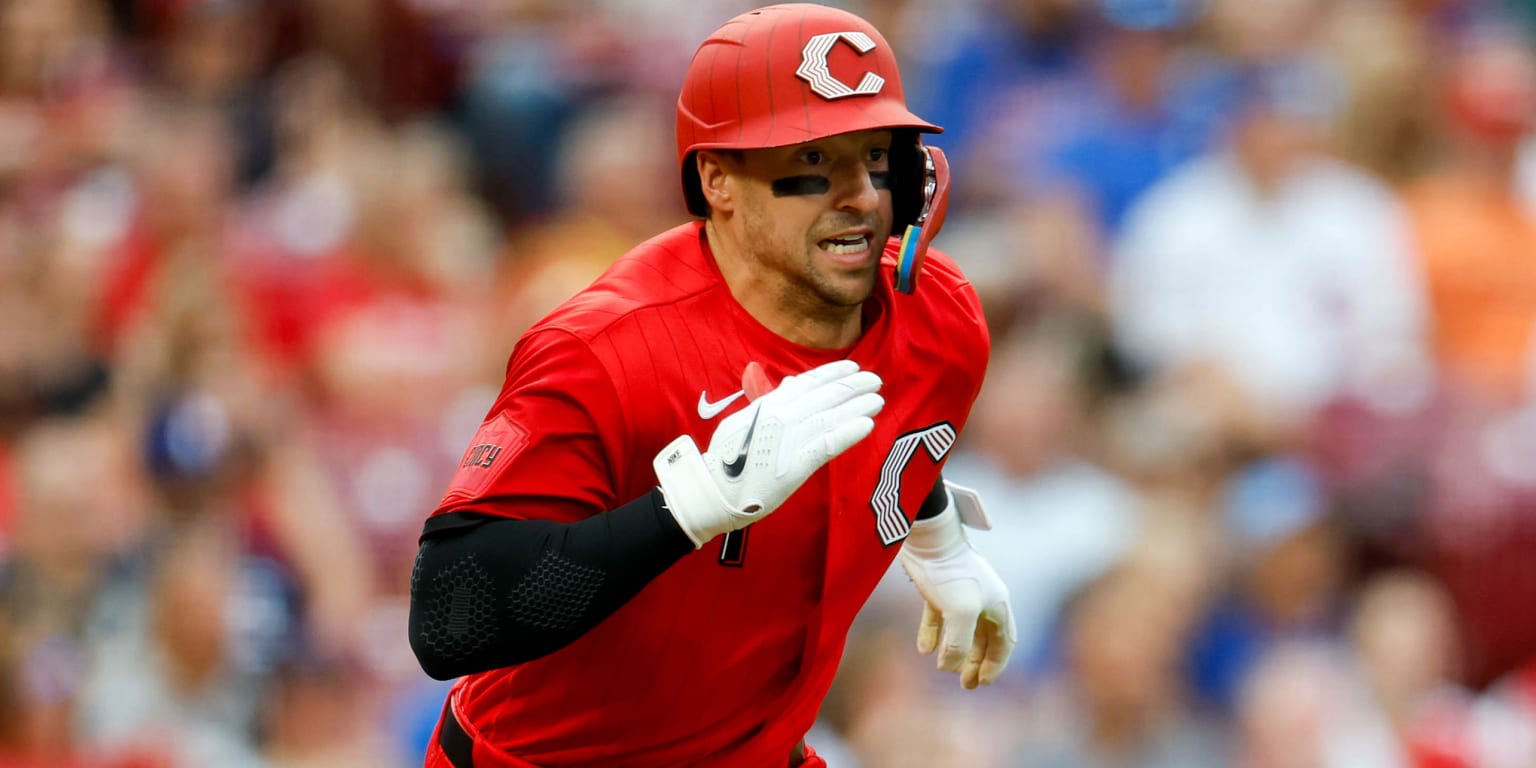
Spencer Steer hit the injured list Monday with a right wrist sprain, sidelined one day after an awkward swing in the fifth inning against St. Louis left him shaking out his hand at home plate. Manager Terry Francona's decision to pull him immediately—and Steer's lack of resistance—signaled concern beyond the typical "day-to-day" threshold. The Reds already had a hand specialist appointment queued up by end of business, per Francona's post-game comments. This is a 10-day IL placement, which pins Steer's earliest return to August 6, one day after the August 3 Trade Deadline.
The timing is brutal. Steer carries 16 home runs and 40 RBIs this season—both fourth on the Reds—and has been the team's most credible trade chip as a right-handed power bat under team control through 2028. In a deadline market where contenders hunt for depth power, Steer's profile fits the archetype of a mid-tier acquisition: affordable, controllable, positionally flexible. Cincinnati sat five games back of Arizona for the third NL Wild Card spot entering the week, meaning they're still genuinely in the conversation for a playoff push. Selling off a productive bat mid-tilt weakens that bid. Keeping him and losing the trade deadline boost also weakens it. The injury removes optionality entirely.
From a roster-construction standpoint, the Reds now face a forced choice: either hold Steer for a stretch run at a depleted lineup, or attempt a fire-sale trade knowing that any buyer can point to the wrist sprain and demand a discount. Players don't recover wrist sprains on accelerated timelines. Even if Steer avoids structural damage—which the specialist consultation will determine—a 10-day minimum means missed plate appearances, rust, and compressed timing in a race where seven games separate half the division. His trade value has already declined simply by his unavailability. Buyers know this.
For bettors, Steer's removal shrinks the Reds' offensive ceiling for the next week-plus, a period that includes a series against a division rival. Cincinnati's run total and individual player props for upcoming games should shift downward, particularly on nights when the lineup compensates with inferior depth. Steer's 40 RBIs suggest roughly 0.55 per game; losing that production without replacement hitter acquisition creates a small but measurable drag on team scoring output. If the Reds were sitting at an even-money playoff probability pre-injury, that line has now tilted slightly away. The injury also crystallizes a sell-now narrative that could accelerate any deadline moves they do make—suggesting fire-sale pricing on whoever does move, not premium value.