Pirates Cut Ozuna Mid-Season, Capping Failed Offseason Gamble
By Justin Erickson ·
Pittsburgh's decision to release Marcell Ozuna signals a roster construction failure that extends beyond one player's performance.
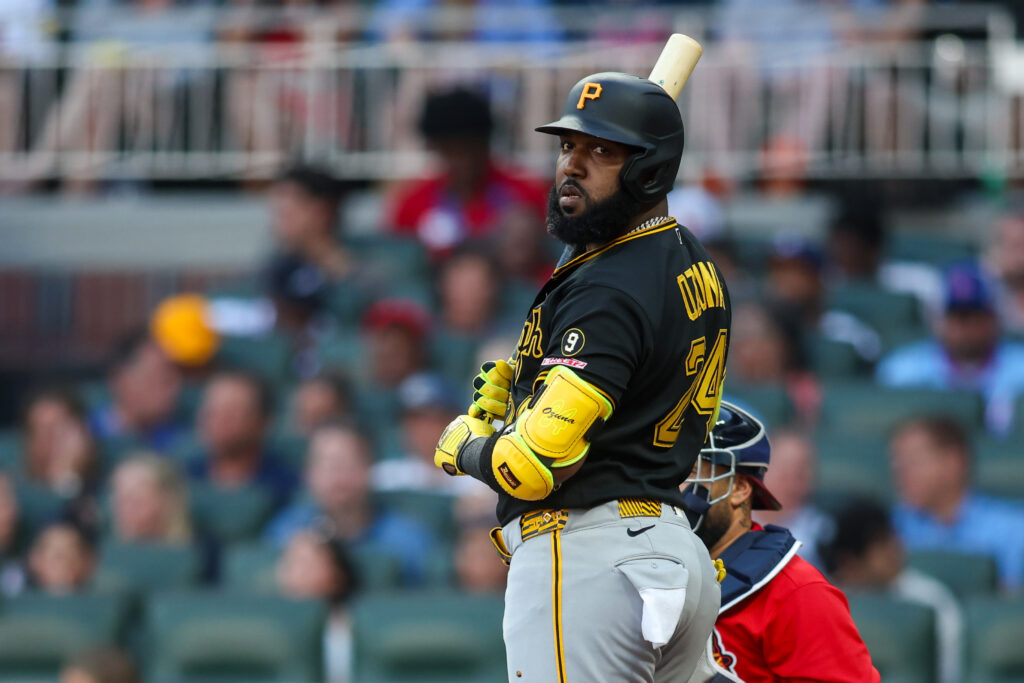
The Pittsburgh Pirates are releasing designated hitter Marcell Ozuna, per MLB Trade Rumors, ending what was supposed to be a marquee offseason acquisition. The move comes roughly four months after Ozuna signed with the organization, a timeline that underscores how badly the fit has deteriorated.
Ozuna arrived as a reclamation candidate—a veteran slugger with a track record of 25-30 home run seasons looking to bounce back. Instead, the pairing exposed a structural mismatch. The Pirates' lineup lacks the depth or run-generation infrastructure to absorb an underperforming DH, especially one who doesn't play defense. In a roster already struggling to generate consistent run production, a non-contributing bat at the DH spot becomes a sunk cost masquerading as opportunity. Pittsburgh's offensive philosophy—predicated on contact and speed rather than power—never aligned with Ozuna's profile.
The financial sting extends beyond the contract itself. Teams that make mid-season release decisions this early typically invested significant guaranteed money upfront. For a franchise operating in the Pirates' payroll tier, that capital now sits on the balance sheet as dead weight. More importantly, the release creates a messaging problem: it signals to future free-agent targets that the organization will abandon commitments when circumstances shift, a reputation cost that's harder to quantify than the salary but just as real.
From a betting perspective, this decision ripples through Pittsburgh's offensive projections for the remainder of the season. The Pirates' team totals and run-line numbers were already priced conservatively given their league-bottom offensive ranking. Ozuna's departure removes a presumed offensive contributor—however underutilized—without clarity on who replaces those plate appearances. If the team cycles in a younger, lower-ceiling option, the organization's offensive ceiling contracts further. Unders on Pirates team totals become more reliable, particularly in games where their pitching doesn't outperform expectations. The volatility here favors the under because Pittsburgh's ceiling just lowered without the corresponding floor adjustment.