Pirates' Two-Out Magic Against Bender Reveals Bottom-of-Order Clutch in Rough Stretch
By Justin Erickson ·
Pittsburgh's late-inning collapse of one of baseball's hottest relievers signals offensive depth that prop bettors have systematically underpriced.
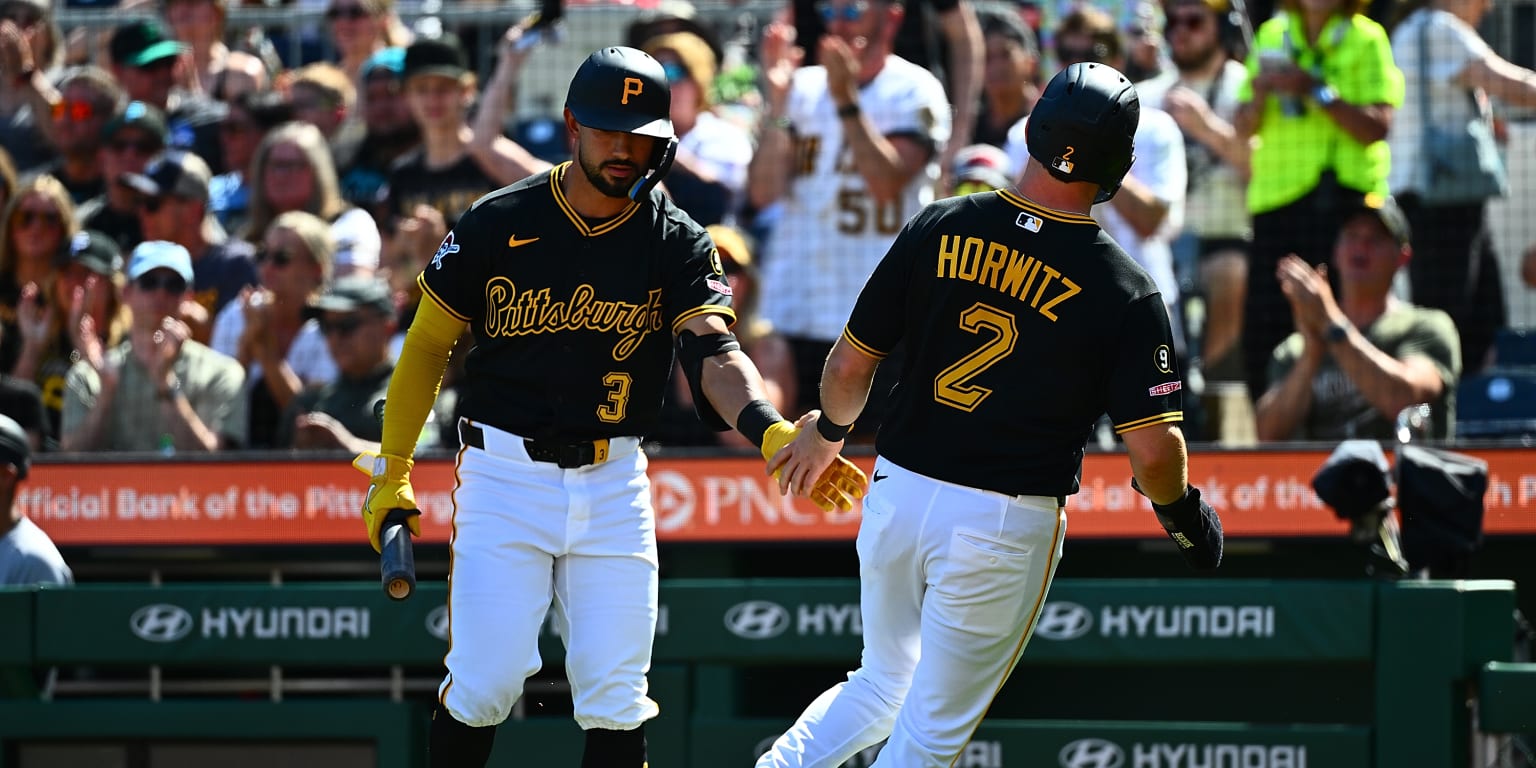
The Pirates staged a two-out, eighth-inning rally against Anthony Bender on Saturday to edge Miami 3-2 at PNC Park, a win that arrived amid a documented rough patch for Pittsburgh's offense. With the game tied and Bender—operating as one of the league's most dominant relievers—already retiring the first two hitters of the frame with his sweeper, the Marlins appeared to have seized control. Instead, Tyler Callihan and Jake Mangum delivered consecutive singles, Jared Triolo drew a walk, and Spencer Horwitz absorbed a hit-by-pitch to force in the go-ahead run. Gregory Soto entered for the save and survived the jam, but the damage was done.
What matters for the prop lens is not the narrative of grit overcoming adversity—that's manager-speak—but rather the structural detail buried in the sequence. Bender's sweeper-heavy approach, which has made him one of the season's highest-leverage arms, proved vulnerable to contact when the Marlins' bullpen game forced him into the eighth with runners in scoring position and a thin margin. The Pirates' bottom third of the lineup (Callihan, Mangum, Triolo, Horwitz) made meaningful contact in high-leverage spots, which contradicts the market's general treatment of Pittsburgh's offensive ceiling during this slump. Reynolds contributed earlier with both a third-inning double and a leaping catch at the wall that preserved a one-run lead—offensive and defensive impact that encapsulates a team performing better than its recent run-differential suggests.
Chancellor Bubba Chandler's start exemplifies the volatility: he cruised through the first two innings, then surrendered three hits in the third, including a go-ahead single to Liam Hicks with two outs. This pattern—early control, third-inning collapse, mid-game tightness—is a known Pirates trait during stretches when their lineup is labeled as struggling. What bettors miss is that "struggling" often describes a team's aggregate output, not its distribution of clutch at-bats. Callihan, Mangum, and Triolo are not featured hitters, yet they generated the decisive sequence against premium bullpen depth. That's either noise or a tell that Pittsburgh's offense has more resilience in two-out situations than the books currently price into team totals and under-over lines.
For the prop bet, this has direct implications for how to price Pirates at-bats when they face teams' secondary bullpens late in games. The market tends to shade unders when Pittsburgh is labeled "in a rough stretch," but a two-out win over Bender—a pitcher with a 39% K-rate and sweeper-dependent approach—suggests that Pittsburgh's lower-order hitters are not passively striking out in high-leverage frames. If the Pirates face similar bullpen-heavy lineups in the near term, their team total over should be favored when positioned late-game at even or modest minus prices. This is not a broad statement about Pittsburgh's season; it's a specific observation that when relief pitching is light and two-out opportunities arrive, this lineup converts at a rate the open numbers have not yet absorbed.