MLB · callup
Griffin's Forearm Rehab Begins; Pirates Shortstop's Return Timeline Remains Fluid
Pittsburgh's star rookie is ramping up on the field, but manager Don Kelly offers no activation date—a cautionary signal for bettors weighing the Pirates' offensive ceiling over the next two weeks.
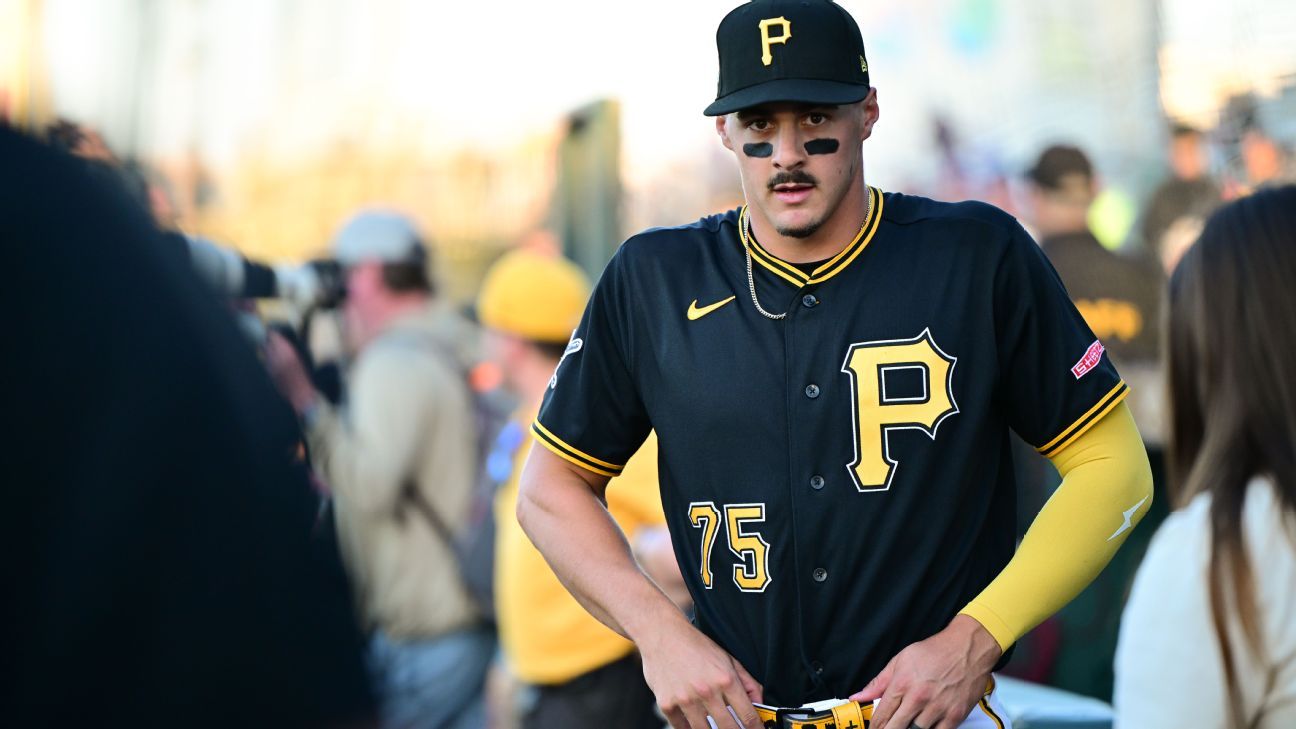
Konnor Griffin took live at-bats Tuesday night for Double-A Altoona, marking his first game action since a right forearm strain sidelined him on May 31. The Pirates rookie shortstop, signed to a nine-year, $140 million deal in April, has missed 23 days and counting. Manager Don Kelly told reporters before Tuesday's game that relay throws and balls in the hole went well in early rehab work, but stopped short of projecting a return date.
The omission matters. Kelly's phrasing—"take it day by day," "see how he's responding"—is the language of caution, not acceleration. Forearm strains in baseball are notoriously tricky to dose; a player can feel good in controlled drills and regress once full-speed competitive action resumes. Griffin's youth (20 years old) typically works in his favor for recovery, but it also means less soft-tissue history to predict from. The Pirates aren't rushing. A return sometime late this week or early next week is possible, but nothing is guaranteed.
Griffin entered the season as one of baseball's highest-ceiling young hitters. In 51 games before the injury, he slashed .270 with four home runs, 22 RBI, and 14 stolen bases—a 20-year-old running a 5.2% walk rate and already stealing at a 2.3-per-game clip. That production profile directly affects Pittsburgh's offensive volatility. The Pirates' implied run total has hovered in the 3.8–4.0 range in recent weeks; with Griffin out, they've leaned on veterans and bench depth. His absence correlates with a flatter offensive profile—fewer explosive at-bats, fewer baserunning opportunities, tighter win probabilities in games within two runs.
For bettors, the timing creates a window of asymmetry. If Griffin is activated within the next 48–72 hours, his first games back will carry elevated injury risk (soft tissue injuries often flare on the first return) and adjustment friction (he's been off competitive baseball for nearly four weeks). The Pirates' moneyline and run total props should price in a discount for his absence, but may not yet reflect the variance of his imminent return. A 23-day absence for a 20-year-old with his offensive profile isn't marginal—it's a 30–40% swing in team upside depending on lineup construction and opponent pitching. Fade overs on Pittsburgh's team total if Griffin is activated mid-series; the market tends to lag the volatility of rookie returns.
Jared Jones's clean imaging on his right elbow is a separate relief. No structural damage means he will likely start Saturday against Cincinnati barring complications in Wednesday's bullpen work. Jones's return stabilizes the rotation and doesn't create the same uncertainty as a positional player ramping up from a muscle injury.