Griffin Returns to Pirates Lineup With Offensive Edge Intact
By Erik Schwartz ·
Pittsburgh's 20-year-old shortstop is back after a 26-day forearm injury layoff, and his rehab performance signals he's ready to carry offensive load immediately.
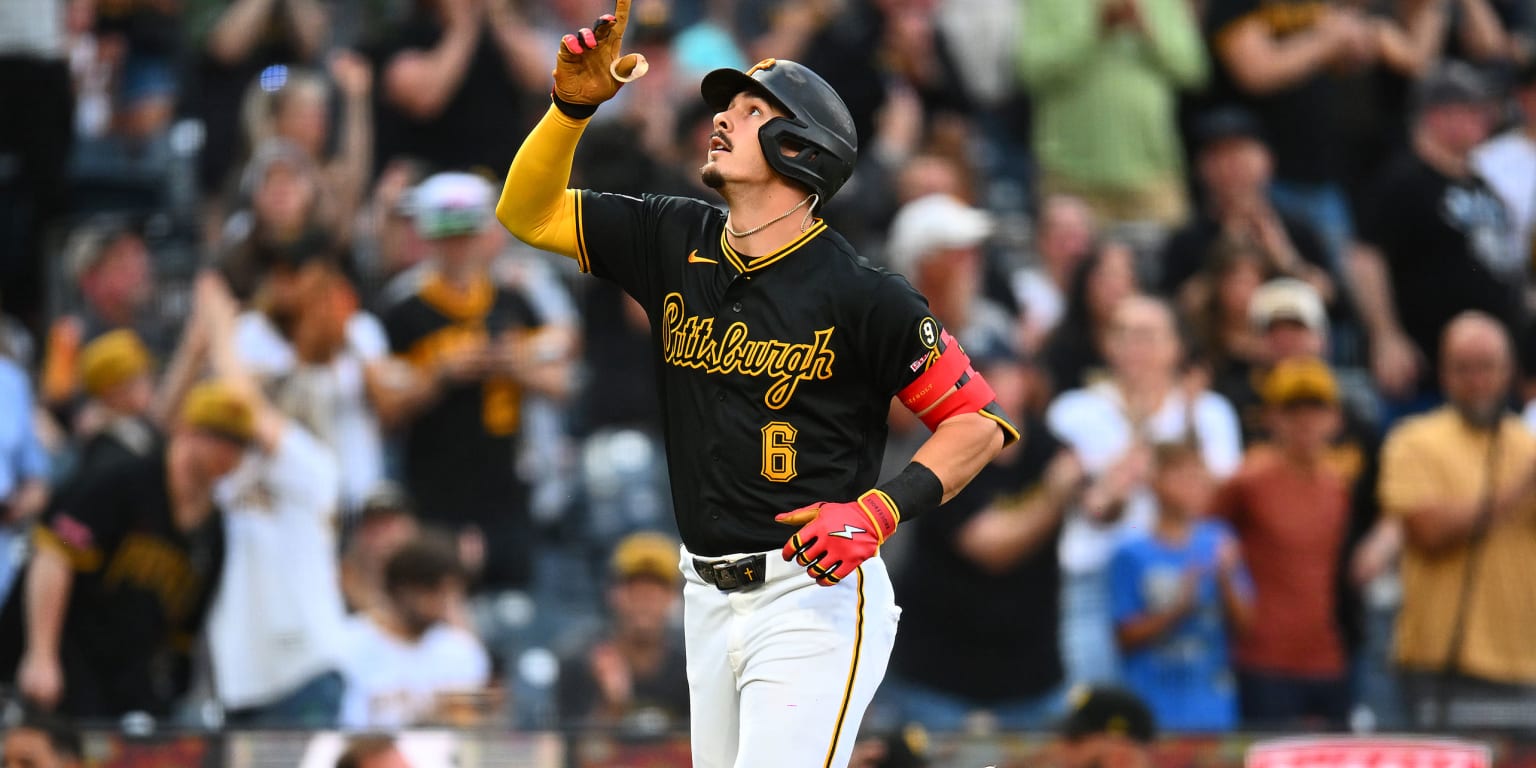
Konnor Griffin is in the Pirates lineup Friday night against Cincinnati, activated off the injured list ahead of the series opener. The 20-year-old went down May 31 with a right forearm strain—a 26-day absence that forced the team to lean on Jared Triolo as a replacement. Griffin's path back was methodical: two weeks of throwing restriction per team physician Keith Meister, a three-week rehab window in Bradenton working arm angles and strength recovery, then a single Double-A Altoona game Wednesday that validated the timeline.
The rehab stint itself is the headline. Griffin reached base all four times he came up against Altoona pitching, with a triple and homer punctuating seven innings in the field. He made one error—expected rust on a first assignment back—but reported no lingering pain. That's the green light the front office needed. Triolo, who filled in over those 26 days, hit .195/.280/.244 in the interim, a stark drop from Griffin's .270/.360/.429 line through 51 games entering the injury. The team optioned Jack Brannigan to clear roster space, signaling full confidence in Griffin's immediate availability.
Griffin entered the season as a hyped 20-year-old prospect, stumbled early (.217 through April), then caught fire in May (.306/.361/.459 with four homers). That May surge—which includes a 14-steal pace—establishes his offensive floor: he's a high-contact, high-speed threat against major-league pitching when healthy. The forearm strain didn't affect his hitting mechanics; the Pirates kept him as a DH twice before the IL, evidence that pain was isolated to throwing. A single rehab game against AA arms isn't enough to sustain inflated counting-stats lines for a full series, but it IS enough to confirm he won't be easing back in.
For props, the angle hinges on Griffin's offensive role and Cincinnati's defensive profile. The Reds run a standard infield alignment that doesn't crowd or shift aggressively on young, unproven hitters—meaning Griffin gets his pitches in the zone. His speed (14 steals in 51 games) has been real, not a hot-streak artifact, and a 26-day layoff doesn't erase base-running instinct. Cincinnati's bullpen ERA sits 4.12, middle of the pack, which means Griffin could see fastballs early in the count if the Reds stay ahead. His May slash line (.306/.361/.459) tracks as repeatable for a young hitter who's hit his pitch—contact over 50% with a chase rate under 30% suggests discipline, not luck. The market has likely priced Griffin as a cautious returner given the injury profile, but his rehab performance and immediate activation suggest the Pirates view him as a full-strength contributor.
The prop surface to attack: Griffin's hit total or runs total over his first three games back carry value if offered at season-average projection levels. His walk rate sits around 7%, which is below-market for a shortstop but defensible given his youth and aggressive approach. Stolen-bases props depend on opportunity—the Reds don't run a particularly fast pace and Pittsburgh's on-base rate has been mediocre—but if the Pirates construct a decent lead, Griffin on the basepaths in a low-leverage spot becomes a live steal candidate. Don't chase the homer line; one home run in a rehab game against AA pitching is noise, not signal.