Keller's Forearm Injury Reshapes Phillies Bullpen Leverage for Stretch Run
By Justin Erickson ·
Philadelphia's top setup arm is sidelined with tendinitis, forcing a shuffle in high-leverage relief that will compress win probability and shift betting edges in games where the Phillies hold leads.
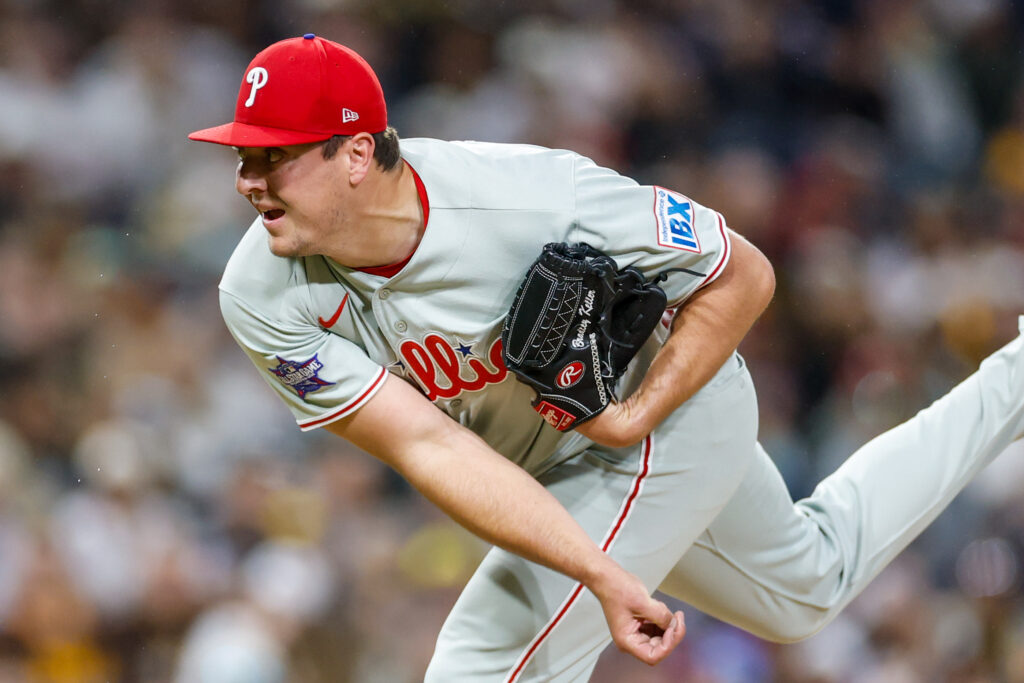
Brad Keller landed on Philadelphia's 15-day injured list retroactive to June 14, sidelined by forearm tendinitis with no announced return timeline. The move strips the Phillies of their most-used reliever in high-leverage spots—Keller entered in the second-highest average leverage situations all season, behind only closer Jhoan Duran—and forces the bullpen hierarchy to reorganize mid-campaign.
Keller's 2026 season had already disappointed relative to his track record. After a strong 2025 with Chicago, the righty's ERA has climbed to 4.15 over 30.1 innings in a two-year, $22 million free agent deal signed to be Philly's ace reliever. His strikeout rate dropped three percentage points, ground-ball rate plummeted, and opponents have tattooed his four-seam fastball. A brutal outing against Milwaukee over the weekend—three runs on five baserunners in a spot where he nearly blew a nine-run lead—triggered the injury and likely accelerated the medical decision. Before that collapse, he had strung together nine straight holds, suggesting the Milwaukee performance was an outlier rather than a trend shift. Still, the fact that the team is shelving him now signals confidence that rest will restore the velo or command that has eroded.
Orion Kerkering steps into the primary setup role, a significant bump in usage and leverage that contracts his availability ceiling. Kerkering is a capable arm but does not carry Keller's pedigree or track record closing out tight games. José Alvarado and Tanner Banks remain underwhelming from the left side—neither has delivered quality results this season. Tim Mayza, the only functional lefty, profiles as a situational ground-ball specialist rather than a multi-inning bridge option. The Phillies enter a window where their late-inning depth is genuinely thin.
From a betting standpoint, this reshuffles two distinct edges. First, Phillies games where they hold leads of one to three runs in the seventh inning or later now carry elevated risk on the over, because the bullpen lacks the credible high-leverage arm that would normally lock down a tight margin. A team that was league-average in blown-save rate with Keller fully healthy becomes below-average without him. Expect overs on Phillies team totals to contract as sharps price in the relief uncertainty. Second, opponents' run props in late-inning spots should tick upward. If Miami, Atlanta, or the Mets find themselves trailing by two entering the eighth, the probability that Kerkering or a secondary option surrenders a tying run is materially higher than it would have been with Keller available. Look for visiting-team seventh-inning-onward run props to widen or move higher than historical correlates for the same opponent matchup.
Keller's tendinitis also carries a re-injury risk that 15 days may not fully resolve. Forearm inflammation in a relief pitcher is especially nuanced—it requires not just recovery time but confidence in the explosive deceleration mechanics that generate whip on a fastball. A premature return could trigger another stint. Monitor Phillies injury updates closely; if Keller is activated before July 2, treat that as a positive signal that the arm held up in simulated games, which would swing leverage props back in Philadelphia's favor. If the IL stint stretches beyond 15 days, the team's win probability model compounds the damage.