Crow-Armstrong's 33rd Five-Star Catch Breaks Statcast Record—and Redefines Elite Defense Value
By Justin Erickson ·
At 24, the Cubs center fielder is already the most improbable outfielder in baseball, holding a defensive tracking record that most teams won't see replicated for years.
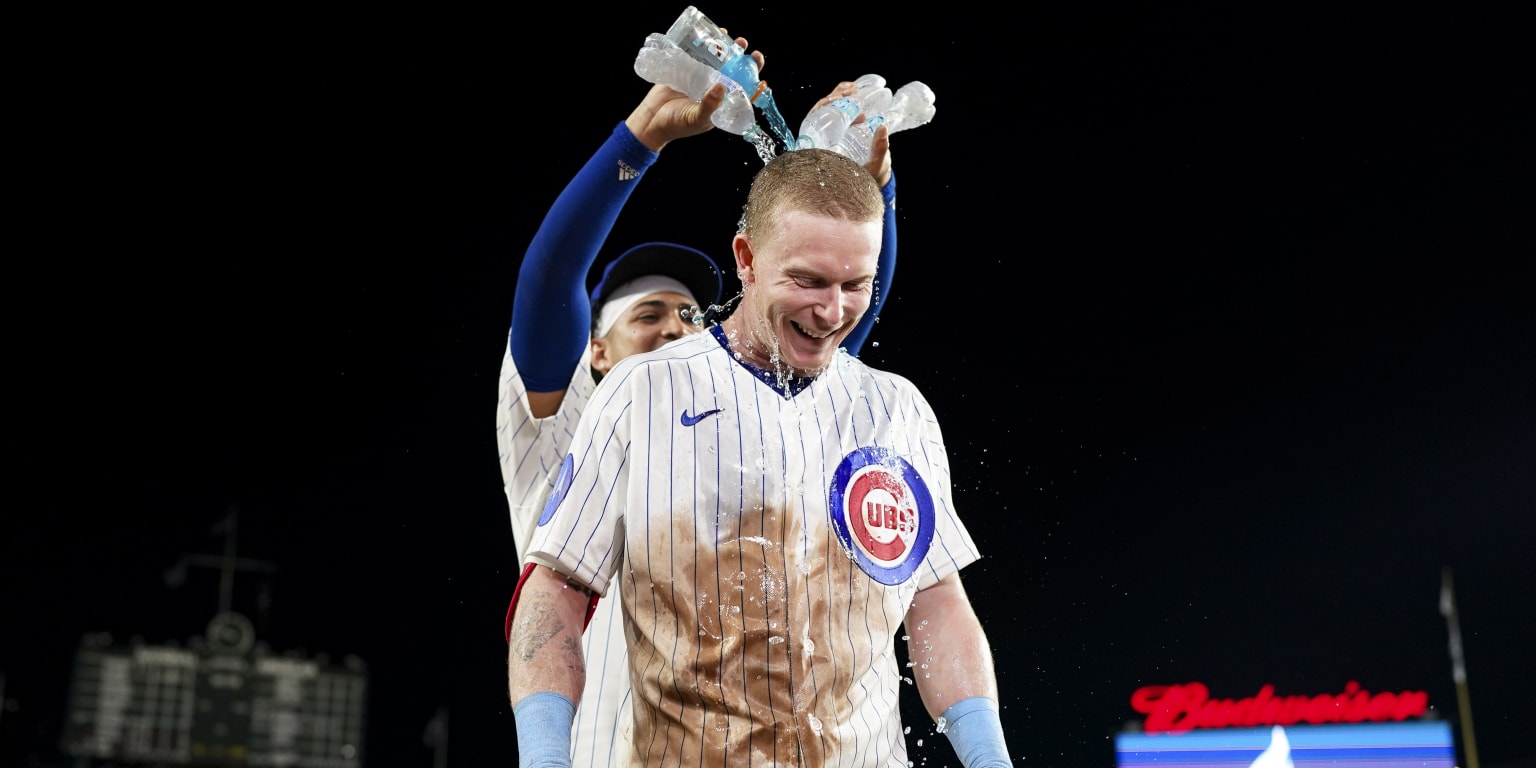
Pete Crow-Armstrong made his 33rd five-star catch on Monday against Detroit, breaking Kevin Kiermaier's previous career high of 32 recorded since Statcast began tracking in 2016. The play itself—a diving grab off Zach McKinstry's bat that required 70 feet of ground in 4 seconds at just a 5% catch probability—illustrates why Crow-Armstrong has separated from every other non-catcher defender in baseball. Over the last three seasons, his +57 Fielding Run Value leads the sport by a margin that dwarfs the next-closest competitors: Bobby Witt Jr. at +45, Jacob Young at +41. This isn't close territory. It's institutional dominance.
The mechanics reveal why the record will stand for a long time. Crow-Armstrong combines elite reaction time—the best jump in baseball by a wide margin—with above-average speed (29.1 ft/sec). But the reaction element is primary. On this particular play, he generated a +12-foot jump relative to average, a margin so large that the camera rarely captured it before cutting to the outfield. Compare that to Andy Pages on a nearly identical opportunity two years ago: Pages got a +6 jump on the same field type and still fell short. Six feet less acceleration is the difference between a sensational play and a missed ball. Crow-Armstrong's defensive value isn't statistical noise or a hot streak. It's the product of a rare neurological gift—reaction time at the 99th percentile—applied across a full season at a premium position.
At 24 years old, Crow-Armstrong is positioned to extend this record far beyond 33. The defending Gold Glover will accrue five-star catches at a rate that younger defenders—even good ones like Pages—cannot match. If he maintains his current pace and stays healthy through an 8-10 year prime, he could reach 50-60 by the time he exits his playing prime. The historical comparison to Kiermaier, himself a generational defender, is instructive: it took Kiermaier his entire career to post 32. Crow-Armstrong will surpass that before his age-30 season.
For betting purposes, this record serves as a behavioral anchor for how to value Crow-Armstrong's hit-prevention capacity and its downstream effect on team variance. Teams with elite center-field defense experience tighter game scripts: fewer inherited-runner situations, lower leverage relief appearances, and fewer extra-inning scenarios. Cubs unders—particularly in high-total matchups where Detroit-like offensive explosions would normally push games to 7-8 runs per side—carry embedded value because one elite defender compounds over a full game. When the Cubs face teams with top-tier offenses and the total sits in the 7+ range, the Under becomes more durable than raw run-environment metrics suggest. Crow-Armstrong's 33 five-star catches aren't just a trophy; they're a structural advantage that absorbs variance in ways standard defensive metrics don't capture.