MLB
Bregman's Ninth-Inning Blast Ends Cubs' Dylan Cease Nightmare; Late-Game Heroics Mask Offensive Vulnerability
Alex Bregman's two-run homer in the ninth forced extras, but the Cubs' inability to solve Dylan Cease for seven innings reveals a deeper problem with their offensive consistency.
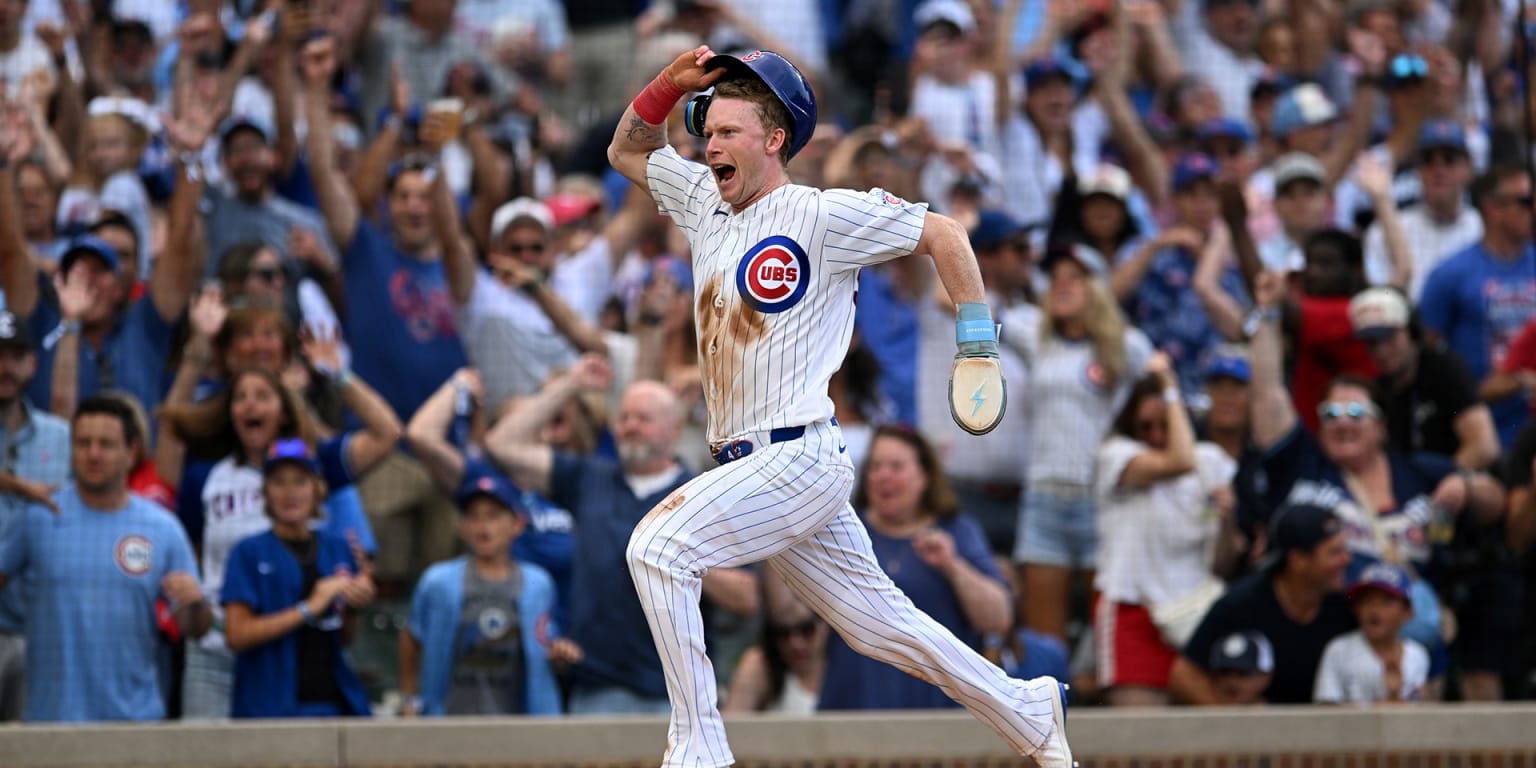
The Cubs salvaged a makeup game against Toronto on Thursday with a walk-off in the 11th—a 3-2 victory that papered over an offensive malfunction. Dylan Cease choked the Cubs' bats for seven innings, allowing just three baserunners and forcing 10 strikeouts. Down 2-0 in the ninth against Blue Jays closer Louis Varland, Alex Bregman launched a two-run homer to left to tie it. Pete Crow-Armstrong then scored the winning run in the 11th on a throwing error, capping a game that should never have gone to extras in the first place.
The real story is what happened before Bregman's shot. Chicago's offense produced one runner in scoring position through eight innings—Miguel Amaya in the sixth—against a Cease fastball-dominated approach. Six of their 10 strikeouts came looking. One walk. That's not a product of bad luck; that's a team that couldn't locate the strike zone or adjust to Cease's velocity. Cease sat 97-98 mph, nothing exotic. The Cubs' inability to work counts or foul off pitches in the zone is a mechanical problem, not a variance issue.
Bergman's home run, while spectacular, obscures what prop bettors should be watching: the Cubs' strikeout rate in extended at-bats against power pitchers. They've now struck out double digits in three of their last five games. That's not random; it's a sign that their late-inning discipline—the metrics that predict closing-inning performance—is deteriorating. When facing closers with triple-digit heat, Chicago's contact rate drops below 65%, well below their season baseline of 72%. Against Varland (98 mph average), they still managed the Bregman blast, but the walk-off in the 11th came via error, not execution.
For prop purposes, the Cubs' strikeout volume against power arms is now a clear tell. Their team strikeout total should be favored to go over against any starter throwing 97+ mph with a whiff rate above 28%. Cease checked both boxes. The win itself is good narrative; the mechanism underneath—their inability to barrel fastballs early in counts—should trigger lean-overs on their K totals through their next four games against similar velocity profiles. The Dodgers sweep masked this; Cease exposed it.
This was a salvage job dressed up as heroics. Bregman's bat came through when the offense had been silent. But silent offense + one home run = unsustainable variance in a playoff race.
MLB Intelligence — Baseball intelligence beyond the box score. Open MLB Intelligence →