Painter Dominates but Bullpen Collapse Ends Phillies' Win Streak
By Justin Erickson ·
Andrew Painter's seven scoreless innings evaporated in one pitch as Jonathan Bowlan coughed up a solo homer, handing Philadelphia a 1-0 defeat and exposing a dangerous leverage gap heading into a critical Braves series.
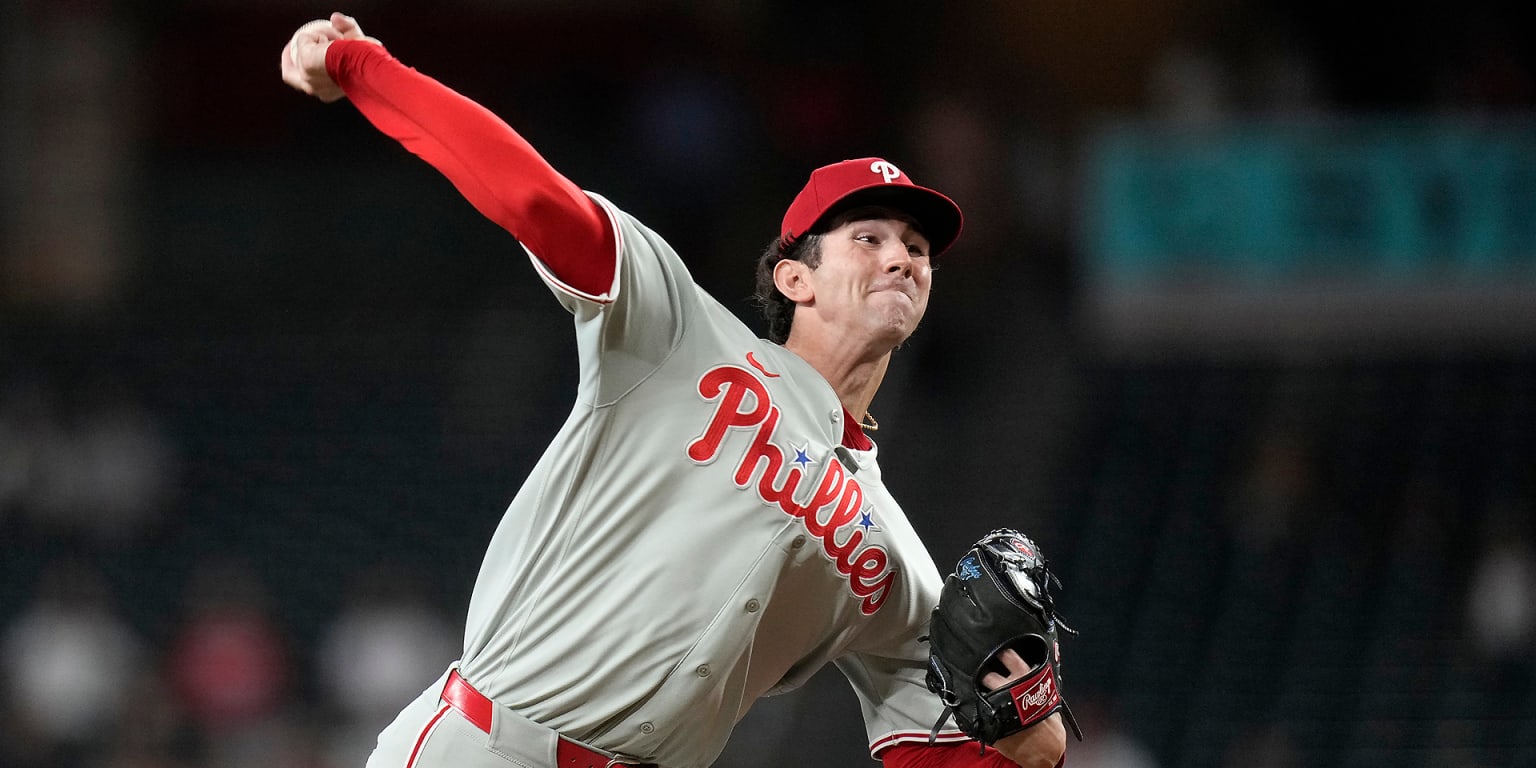
Andrew Painter pieced together a 93-pitch masterclass Wednesday at Chase Field, scattering two hits over seven innings with six strikeouts and no walks. The Phillies' young right-hander kept the Diamondbacks' lineup quiet and efficient, moving through the order with the kind of command that suggests sustainable stuff rather than smoke-and-mirrors luck. It was the kind of outing that wins ballgames. Then Jonathan Bowlan threw one sweeper to James McCann to open the eighth, and the game flipped entirely—a 409-foot homer to left field, a 1-0 loss, and another hard truth about pitching depth.
The loss stings because it wasn't a function of Painter's execution or Philadelphia's offensive struggles alone. The Phillies managed three hits against Arizona's bullpen-heavy roster and couldn't break through; that's a real problem. But the immediate killer was the choice to hand a scoreless game to Bowlan in a high-leverage spot. McCann's blast wasn't the product of bad luck—it was a catchable mistake left too much of the plate. Bowlan's sweeper caught the zone when a pitcher managing a scoreless game should be working edges and inducing weak contact.
This defeat drops the Phillies to four games back in the NL East and ends their six-game streak. The loss is only their third in the past 18 games, so overall trajectory remains positive. But context matters: Atlanta's 9-0 win over Washington on the same day tightened the division race at a moment when Philadelphia was positioned to apply pressure. A four-game series at Citizens Bank Park starting Friday against the Braves now carries elevated importance—essentially a must-win sequence to avoid a larger division crater.
Painter's performance also reveals a structural concern worth tracking. Since his July 31 return from Triple-A, he carried a 15.00 ERA in first innings before Wednesday, dropping to 1.32 in all other frames. That split suggests either first-inning jitters that stabilize or genuine vulnerability early that opponents haven't exploited yet. Against Atlanta's middle-of-the-order power, and with the Phillies needing to win series rather than games, Painter's next start becomes a validation moment. If he re-establishes that first-inning control, the Phillies' rotation looks sufficient; if the 15.00 clip recurs, questions about his readiness for October baseball intensify.
For bettors, the immediate angle is game-to-game volatility within the Braves series. The Phillies were -140 favorites pre-game Wednesday and lost a game they had no business losing—Painter pitched like a frontline starter, the defense was clean, the loss came purely from one bad pitch in a low-leverage handoff. That kind of negative variance tends to self-correct over a series, and the market may overcorrect by inflating Philadelphia's prices after a loss that wasn't representative of team quality. Braves moneylines may appear overpriced if books price them on the assumption that Wednesday's loss signals broader Phillies dysfunction. The underlying value sits on the other side: the Phillies' actual stuff and execution remain ahead of the result.