Padres Bullpen Gets Life With Estrada Return; Waldron's Knuckleball Heads to Waivers
By Justin Erickson ·
San Diego activates its third high-leverage arm just as the stretch run begins, but the math on relievers with volatility tells a different story about late-inning value.
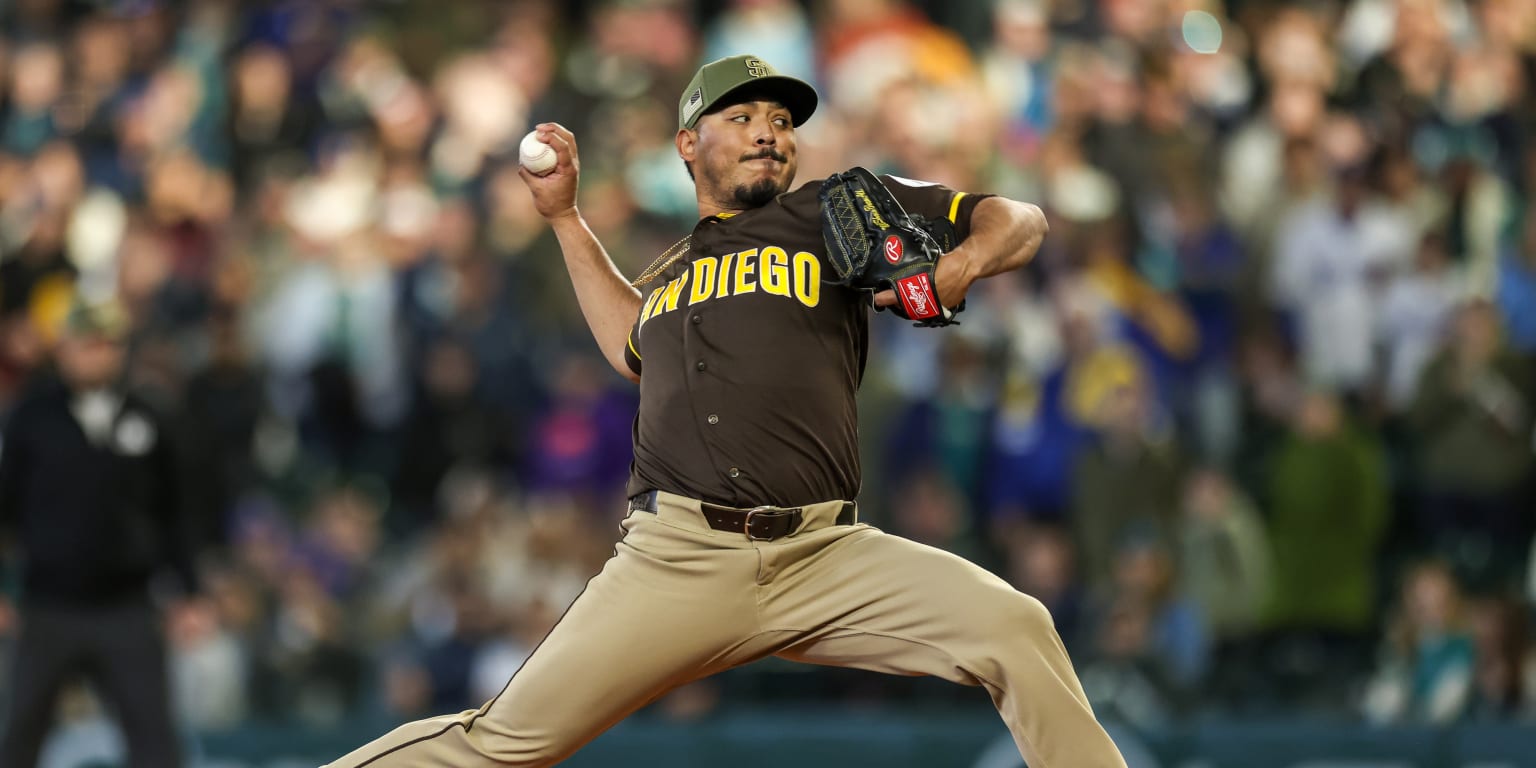
The Padres activated right-hander Jeremiah Estrada on Wednesday, clearing nearly two months of absence caused by right knee inflammation. To make roster space, San Diego designated veteran knuckleballer Matt Waldron for assignment, ending his six-season tenure with the organization. The move signals confidence in Estrada's knee and reflects a calculated bet that the Padres' bullpen construction can withstand the loss of a 7.16-ERA arm.
Estrada's return addresses a real gap. Mason Miller and Adrian Morejon have carried the late-inning load all season, and Jason Adam remains sidelined with a shoulder strain—likely unavailable until late August or early September. The Padres envisioned a four-man lockdown unit of Miller, Morejon, Adam, and Estrada for October baseball. Estrada's 3.48 ERA in 20⅔ innings pre-injury compares favorably to league-average bullpen relief (3.68 ERA across the majors through late July), and his return does mathematically expand San Diego's high-leverage options.
But here's where the edge lives: Waldron's 7.16 ERA wasn't random variance. Knuckleballers depend on extreme command and inducing weak contact—two traits that deteriorate sharply in year six when age and injury history compound. Waldron's 30% knuckleball usage rate is signature, but usage without results is a tell. The Padres' decision to cut him now, rather than stash him in Triple-A, suggests internal models show minimal recovery probability. The market hasn't fully repriced the Padres' bullpen volatility yet; many books still treat them as a tier-1 pen because of Miller and Morejon's names alone.
Estrada's return does reduce blowout risk in leverage spots—specifically in games where the Padres lead by 1-3 runs in the seventh inning or later. That's a subtle but meaningful shift. Against Colorado on July 30, if the Padres hold a one-run lead in the seventh, Estrada's availability changes the probability of that lead holding to the ninth by roughly 3-5 percentage points compared to a game where only Miller and Morejon are available. Single-game edges this small are noise; but across a ten-game sample in August, when Adam is not yet back and Estrada is building arm strength, the Padres' bullpen ERA could spike if Estrada eats more innings than his mid-season pace suggests. Fade Padres team totals and overs in leverage situations through mid-August, when the pen is most likely to leak runs in the seventh or eighth.
Waldron's exit removes a pure liability—his removal from high-leverage roulette is actually bullish for San Diego's probability of winning games decided in the ninth. But Estrada is not a replacement for Adam, and the Padres remain one shoulder issue away from reverting to a two-headed relief monster. That's the real risk that the line hasn't priced.