Orioles Offensive Surge Tests Market Pricing Ahead of Deadline Week
By Justin Erickson ·
Baltimore's three-homer barrage in Detroit signals a lineup finding timing at the worst possible moment for bettors.
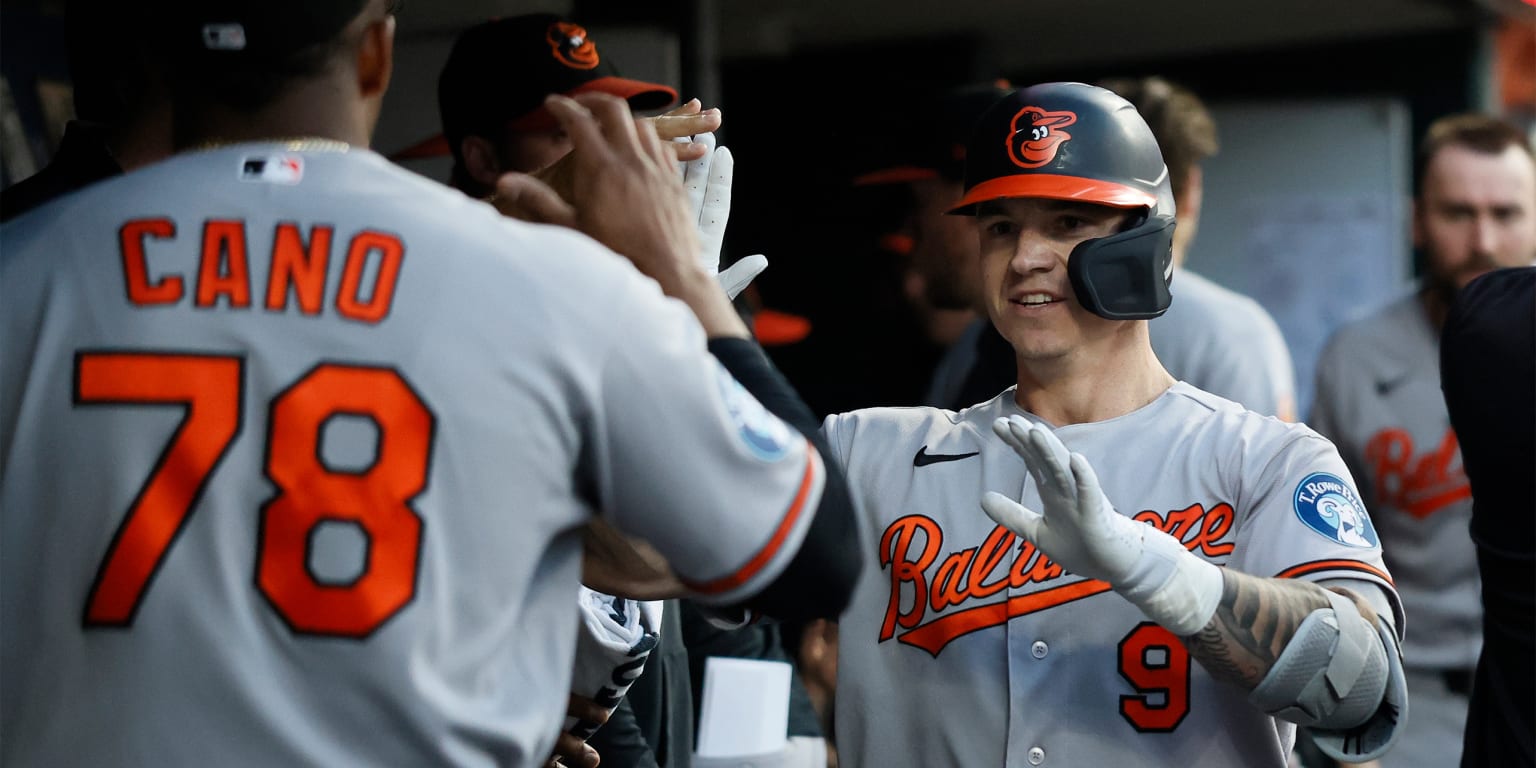
The Orioles arrived in Detroit Monday trailing the AL Wild Card cut line by two games and sitting exactly seven days from the Trade Deadline. They responded with eight runs on the strength of three home runs—their highest offensive output since July 12—to dispatch the Tigers 8-5 and trim the gap in a congested playoff picture. Leody Taveras, Coby Mayo, and Tyler O'Neill each went yard, with Mayo adding an RBI single to cap a multi-hit performance against right-handed pitching.
Mayo's game holds particular weight for prop bettors tracking the Orioles' depth charts. The 24-year-old entered Monday with a stark split: .720 slugging percentage against lefties, .234 against righties. His two hits off Detroit right-hander Keider Montero, including a two-run blast in the fifth, marked his first multi-hit game against right-handed arms since May 7 at Miami. This wasn't Mayo hitting into bad luck or riding variance—Montero carried a 0.96 WHIP and 1.80 ERA over his prior 10 appearances into the matchup. Baltimore simply overpowered him across the first five innings, scoring in each of the first three frames and in four of the first five overall.
O'Neill's pinch-hit home run in the sixth underscores the Orioles' ability to manufacture late-inning production with bench depth. The 31-year-old's third career pinch-hit homer in seven seasons is notable chiefly because it arrived in a spot where Baltimore's offense was already in control—not a clutch moment, but a statement extension of dominance. This matters for team-total bettors: the Orioles didn't need heroics; they built a 7-3 cushion through five innings of methodical run-scoring.
The mechanical edge here lies in Montero's context. A strong-looking ERA and WHIP over a 10-appearance stretch can mask exposure to elevated home-run ratios early in starts—precisely where Baltimore attacked. The Orioles scored in the first inning and maintained pressure through the third, forcing Montero into pitch inefficiency by the fourth. Teams that construct approaches around early-inning fastball counts against vulnerable starting pitchers have historically netted value in team-total overs when facing similar profiles. Baltimore's lineup, now seven games into a critical week, has demonstrated it can exploit that seam even against statistically sound opposition.
The timing compounds the angle. With the Deadline one week out, contenders often display marginal offensive variance as rosters stabilize and front offices lock in on final targets. Teams that spike production mid-run tend to sustain elevated team totals for the next 3-5 games before market repricing. An 8-5 final does not feel like an outlier explosion; it feels like a baseline the Orioles have re-established heading into a Detroit series carrying massive standings implications for both teams.