The Albert Suárez Waiver Cycle: How the Orioles Turned Free Agency Into a Formality
By Justin Erickson ·
A right-hander rejected on waivers and free for less than 24 hours is already back in Baltimore—a peculiar path that reveals how organizational control preserves bullpen depth without real disruption.
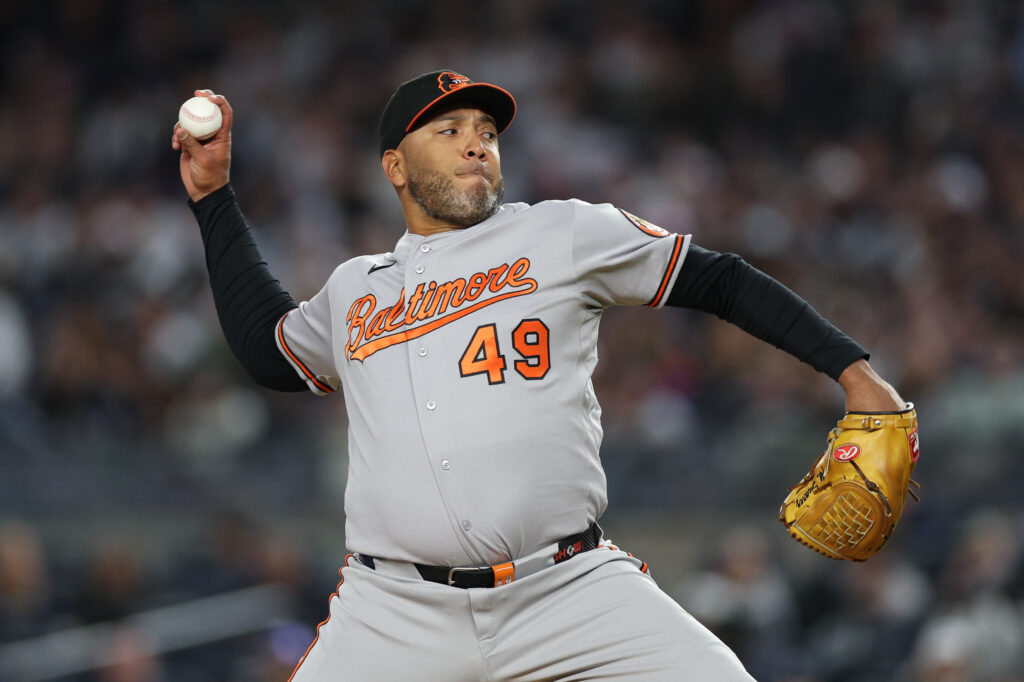
Albert Suárez's walk through free agency lasted a day. The Orioles designated him for assignment, watched him clear waivers unclaimed, and within hours had him re-signed to a new deal. Per MASNsports.com, Suárez was already in the clubhouse before the ink dried—a transaction so frictionless it raises a legitimate question: why bother with the waiver paperwork at all?
The answer lies in roster construction math. The Orioles needed a roster spot and had no takers willing to claim Suárez's salary. Rather than eat the contract outright, designating him for assignment and re-signing him at a reduced figure (the specifics of which remain unclear) preserves organizational salary flexibility while keeping a depth arm in-house. It's a tool MLB teams use constantly—less dramatic than a trade, cleaner than a simple release, and infinitely less disruptive than losing the player to another club. Suárez, a veteran right-hander who has bounced between starter and relief roles, fits the profile of a depth arm valuable enough to retain but not essential enough to protect through waivers.
For the Orioles' bullpen architecture, this matters. Suárez's availability in the late innings—whether as a long reliever, spot starter, or mop-up arm—provides optionality that impacts how the team allocates its core relievers. A healthy depth chart means fewer high-leverage appearances for your closer or primary setup men, which compounds across a 162-game season. When fatigue and injury inevitably strike, teams without that third and fourth tier of usable arms hemorrhage wins in September.
The prop-betting angle hinges on bullpen consistency. If Suárez's presence means the Orioles lean less heavily on their elite relievers—keeping their usage rates down and their availability high for late-inning spots—then the team's closer (likely traded for or acquired in-season) faces lighter overall demand. Reduced workload typically improves save opportunities and reduces the variance around strikeout props. For Orioles relievers, watch leverage situations and innings pitched over the next month; if the team's bullpen depth really insulates their top arms, you'll see fewer back-to-back appearance days and lower strikeout variance. That's a signal worth tracking for any strikeout prop on Baltimore's primary relievers—stability in workload favors the over on K props for your core arms because they're not burning out early in blowouts.
This transaction is also a tell about the Orioles' confidence in their rotation and relief depth going forward. No other team claimed Suárez, which suggests the market values him as organizational depth, not a difference-maker. The fact that Baltimore re-signed him immediately confirms their own internal valuation: useful enough to keep, not valuable enough to risk losing. That consensus shapes how you approach Orioles total props and reliever-specific lines moving forward. If Baltimore is managing bullpen workload intelligently—which this move suggests they are—their pitching-heavy game plans hold up better in close games, and team totals become more stable.