Okamoto's Arc Defies the Rookie Script—And It's Reshaping Toronto's Lineup Value
By Justin Erickson ·
A Japanese star living up to his pedigree in real time is already the Blue Jays' most bankable offensive asset, even as Vladimir Guerrero Jr. still searches for rhythm.
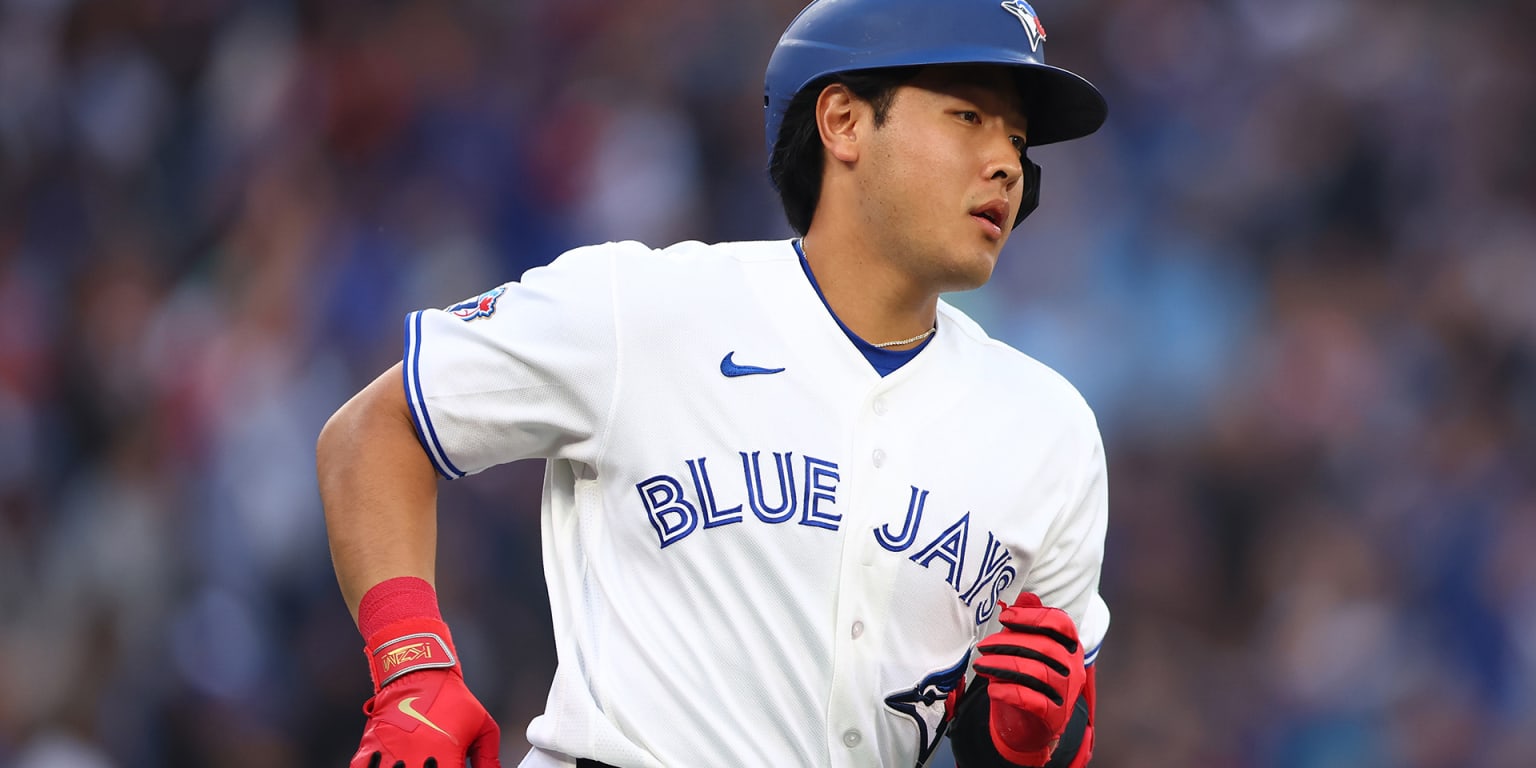
The Blue Jays returned to .500 Monday with a 4-2 win over Houston, but the real story isn't the ledger—it's who's driving the entry. Kazuma Okamoto, in his first MLB season, delivered his 17th home run and a crucial double in the same game, cementing a trajectory that defies the typical rookie cooling-off pattern. He's on pace for 35-plus homers in 2026, a number that aligns cleanly with his production in Japan's Central League with the Yomiuri Giants. For a team that hasn't posted a winning record since April 3, Okamoto has become the lineup's primary engine while Guerrero Jr. remains ineffective.
The voting math underscores the gap between expectation and reality. Okamoto sits second among AL third basemen in All-Star balloting at 1.28 million votes—only 28,000 behind Junior Caminero of Tampa Bay—a distance that feels narrower than anyone projected three months ago. Phase 1 voting closes Thursday at noon ET. What matters for bettors: Okamoto's hitting success isn't a mirage built on fastball-happy teams or hitter-friendly conditions. He's facing a full MLB pitcher population for the first time, but they're equally unfamiliar with his tendencies. That mutual ignorance creates a structural advantage for Okamoto that typically persists until July film study catches up. The double that set up Daulton Varsho's go-ahead run exemplifies his positional flexibility and situational feel—traits that inflate run-production liabilities in ways standard rookie projections underestimated.
Dylan Cease provided the ballast: five and two-thirds innings, two earned runs on three hits, four walks, and eight strikeouts. The opening frame was a grind—26 pitches including two walks and a bases-loaded escape—but a ground ball off his breaking ball seemed to reset his mechanics and his tempo. Toronto's bullpen didn't leak runs after he departed, a luxury they haven't always enjoyed. The Astros managed only four total hits, a sign that when Cease locates his breaking ball early, the offense can't manufacture damage.
For prop players, Okamoto's trajectory tilts hitting lines upward and team totals in the direction of overs. His 17 homers through late June represent a 54-game sample—large enough to bank on his power spike as baseline rather than variance. Teams that deploy platoon-heavy lineups against him (righties seeing a left-handed hitting third baseman) may find those splits hold temporary value, but Okamoto's comfort against breaking balls suggests fade exposure to strikeout props when facing weak or inconsistent breaking-ball command. The Blue Jays' team total has likely tightened after the momentum from this win and Okamoto's emergence; any overs available at pre-June numbers should be chased before market corrects further upward.