Ohtani Gets Built-in Rest Day After Two-Way Explosion; Dodgers Manage Workload With Schedule Pressure
By Justin Erickson ·
The Dodgers are strategically spacing Ohtani's two-way duties with recovery days, not because he's wearing down, but because 10 games in 10 days leaves no margin for fatigue accumulation.
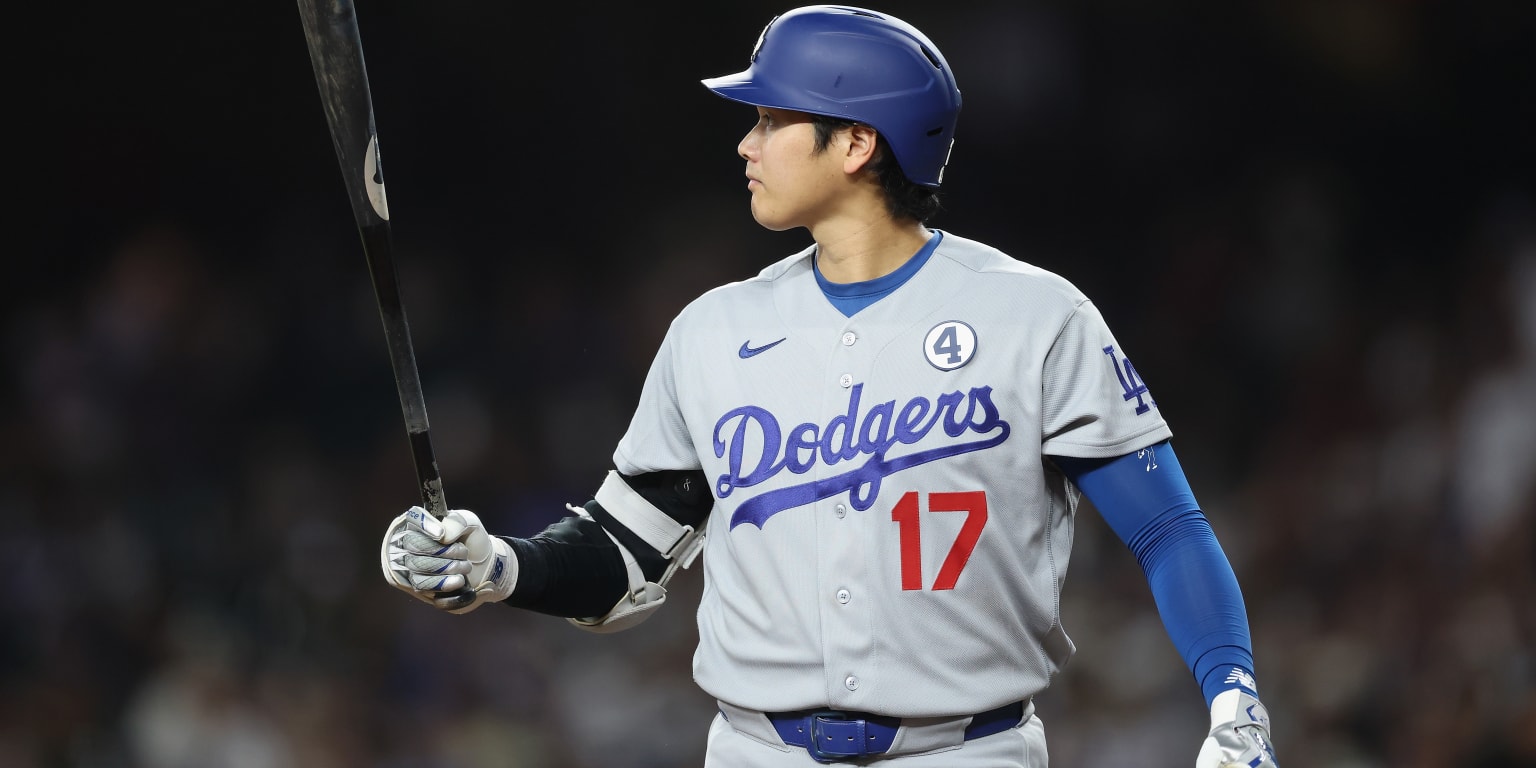
Shohei Ohtani will sit Thursday's series finale against Arizona after pitching and hitting Wednesday night, a deliberate maneuver by manager Dave Roberts tied directly to Los Angeles's compressed schedule rather than any injury concern. The decision telegraphs the Dodgers' evolved approach to managing their franchise player's dual role: give him the green light to fully exert himself on both sides of the ball one night, then guarantee recovery the next. Per Roberts, the psychological permission to "empty the tank" without worrying about availability the following day is as valuable as the physical rest itself.
This isn't a new constraint on Ohtani's availability—it's a scheduling optimization. The Dodgers entered the series in the middle of a 10-games-in-10-days stretch, a grind that erodes depth rosters and limits flexibility. Rather than restrict Ohtani's on-field role during his pitching starts (as they did during a stretch earlier in the season), the team has instead shifted strategy: let him go full throttle, then build in the recovery day. Roberts explicitly credited "conversations with Ohtani and the training staff" for this approach, meaning the player and medical department jointly determined that one full off-day after a two-way outing beats limiting his duties on the mound or at the plate when he does play.
Ohtani's recent offensive trajectory validates the thinking. After a slow start that forced Roberts to give him a two-game reset as a hitter from May 13-14, he's hit .415 (27-for-65) with a 1.229 OPS in the games since. The rest worked. He's now positioned to attack Wednesday's full workload knowing Thursday's absence is locked in—no guilt, no negotiation, no risk of being asked to push through fatigue into game five of the stretch.
For betting purposes, this creates a clear lineup arbitrage: Ohtani's run production and hit props are strongly favored for Wednesday-night games where he's pitched, particularly in the middle of compressed schedules. The Dodgers' public messaging removes uncertainty from whether he'll swing; he'll swing hard. The absence of Thursday's obligation means his batting approach should be more aggressive, not tentative. If books price his Wednesday hit total or run line assuming normal load management, they're undervaluing a player who's been explicitly freed to maximize output. This edge erodes once the schedule normalizes and the Dodgers can align his starts with natural off-days, but during tight stretches, expect Ohtani's offensive props to carry superior expected value on the day after he pitches.