MLB · milestone
Ohtani's Bullpen Session Clears Pitching Pathway; Live Hitters Loom Before September Return
A cleanly-thrown 35-pitch session keeps Ohtani's rotation timeline in play, but the absence of a big-league start date means betting on his immediate impact carries real timing risk.
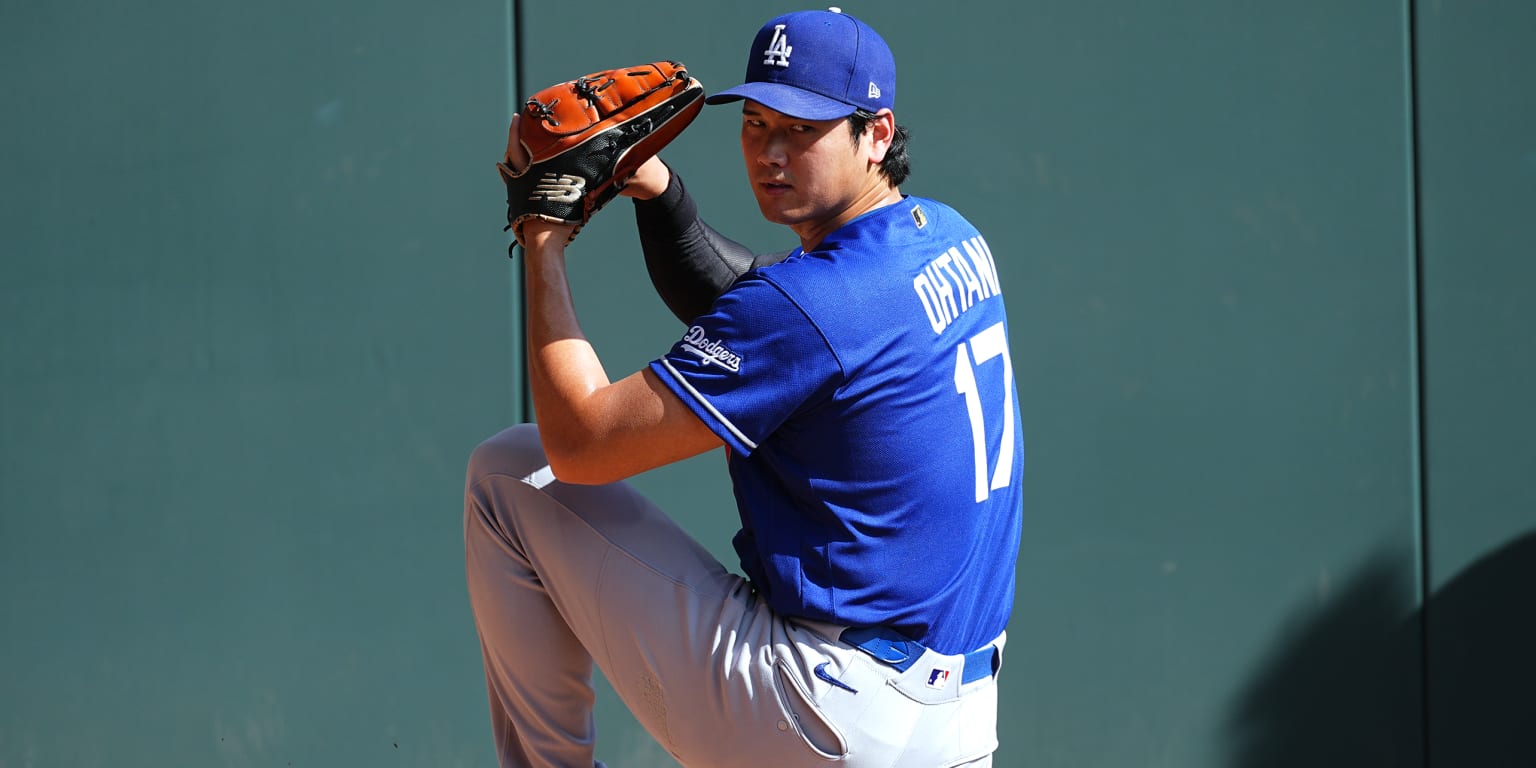
Shohei Ohtani threw 35 pitches in a controlled bullpen session on Tuesday at Coors Field, with no issues reported and manager Dave Roberts eyeing the next tier of rehab: live batting practice. The Dodgers have kept their two-way star as designated hitter throughout his left knee inflammation stretch, which began June 11, yet his absence from the mound since July 3 (46 days ago) has left a premium arm parked on the sideline. Roberts made clear there is no timetable for Ohtani's return to a big-league start, which means the market's pricing of his pitching props remains speculative.
Ohtani's pre-injury track record was elite: 1.79 ERA, 0.95 WHIP, 95 strikeouts in 14 starts over 85⅔ innings pitched. Those numbers don't erase in-season; they reframe him as a sub-3.00 ERA starter re-entering a rotation mid-season with carry-over velocity and command from his last outing. The climb from bullpen work to live hitters to a simulated game to an actual start is methodical by design—recovery from knee inflammation requires staged loading to confirm structural stability under competition intensity. If Ohtani clears live batting practice without setback, a September call could materialize within 2-4 weeks, but that's the optimistic path, not the baseline.
The Dodgers are already navigating a crowded rotation and a playoff push; they won't rush a two-way talent back into high-leverage innings. That calculus matters for bettors pricing strikeout props or ERA props on Ohtani's first start. Early-market lines often price returning stars at pre-injury baseline rates—in his case, suggesting near-elite stuff at a near-elite rate. But a player re-entering competition after 46+ days of pitched-only rehab typically shows elevated walk rates and decreased strikeout efficiency in the first 2-3 outings as feel and command reconstitute under live pressure. The workload cap is also critical: Roberts will likely limit Ohtani's innings in his first start, capping pitch count around 70-80 to avoid re-injury, which directly suppresses strikeout ceiling.
Bettors chasing Ohtani strikeout props on his season debut should expect the book to open them at or slightly below his season average (6.5 K per start based on his 95 K in 14 starts). That's reasonable on baseline stuff, but it overlooks the re-entry variance: he's as likely to underperform that line in his first outing as to hit it. The real edge lies in fading any line that doesn't account for the workload cap or the 46-day absence. If you see Ohtani K props priced as though he's a fresh mid-rotation arm, that's a pass, not a lean. The angle surfaces only if the line inflates beyond his season rate despite the rehab timeline—which would signal the book is not fully pricing the return-to-competition discount.
For team-total purposes, Ohtani's return to pitching offers a modest bullpen-depth gain, but it doesn't move the needle on Dodgers game totals in any material way until he's actually active. The bigger betting signal is the absence of urgency in Roberts' comments: he's not racing Ohtani back. That patience is organizational best practice and a warning flag for prop players expecting immediate performance uplift.
MLB Intelligence — Baseball intelligence beyond the box score. Open MLB Intelligence →