Ohtani's Catcher Miscue Exposes Dodgers' Depth Vulnerability Behind the Plate
By Justin Erickson ·
A second-inning passed ball in Wednesday's win over Minnesota highlights the communication gaps created by Will Smith's absence and raises questions about run-prevention reliability in tight games.
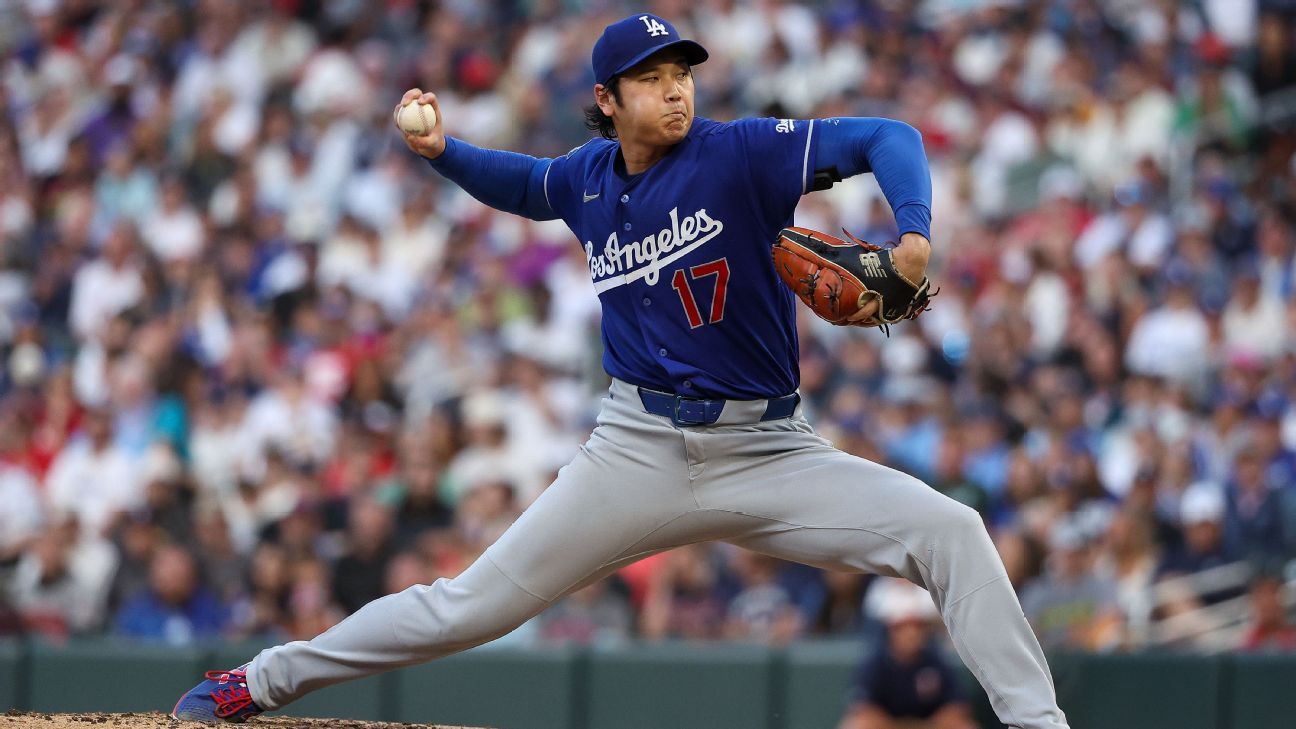
Shohei Ohtani struck out eight over six innings and drove in a run Wednesday night as the Dodgers beat Minnesota 4-3, extending Los Angeles' major league lead in wins. But the stat line masks a significant operational problem that emerged in the second inning at Target Field: the pitcher-catcher battery broke down on a 101 mph fastball, resulting in a passed ball that allowed a run to score unearned and contributed directly to a 3-1 deficit the Dodgers had to claw back from.
The miscommunication centered on Dalton Rushing, the 2022 second-round pick now serving as primary catcher while three-time All-Star Will Smith recovers from neck inflammation. Rushing was locked on an off-speed offering; Ohtani fired heat. The ball skipped past Rushing's glove and reached the backstop, letting a baserunner advance and score. That single passed ball transformed what should have been a manageable inning into a two-run swing in Minnesota's favor. Manager Dave Roberts acknowledged the disconnect: "They were just out of sync early, and you could tell. I think both guys were frustrated and trying to get on the same page." Ohtani's diplomatic post-game comments—emphasizing the need for better in-game communication and reading of opposing approaches—signaled acceptance rather than confidence that the problem had been solved.
This is not a referendum on Rushing's ability as a prospect. His long-term profile remains intact. But his current role as an emergency starter exposes a structural weakness: the Dodgers are operating with a tier-two receiver in a season where pitch command and framing directly determine whether a high-velocity starter like Ohtani generates weak contact or hangs pitches in the zone. Smith's timeline for return remains unclear, and each game Rushing starts as primary catcher introduces variance that shouldn't exist for a team chasing October.
For prop purposes, Wednesday's game offers a directional signal. Ohtani's strikeout rate (8 K over 6 IP, a 12 K/9 pace) remained elite even with the miscommunication; the passed ball didn't diminish his stuff, only the operational efficiency of executing pitches with conviction. The real betting angle isn't Ohtani's individual performance—his strikeout props and ERA projections remain durable because his fastball velocity and slider movement are unaffected by catcher depth. The angle instead sits with Dodgers team totals and run-line exposure in Rushing starts: when Smith returns to full duty, expect the Dodgers' bullpen waste rate and unearned-run variance to compress. Until then, totals built on the assumption of a Smith-led defense undervalue the real-world passed-ball risk and base-running mishaps that come from a developmental catcher managing Ohtani's four-pitch mix under game pressure.
The Dodgers still won, and their win streak remains the story. But the path to the victory revealed a ceiling on defensive coordination that won't hold up in playoff rotation games. Bettors should account for that friction in run-total estimates; the market may not have fully priced the operational cost of catching depth into mid-June odds.