Irvin Returns to Nationals Rotation With Strikeout Ceiling Intact
By Justin Erickson ·
Jake Irvin's activation from the 60-day IL arrives with elevated K-rate data from his rehab stint, but a bloated career ERA and mid-season form warn against chasing strikeout props on opening day.
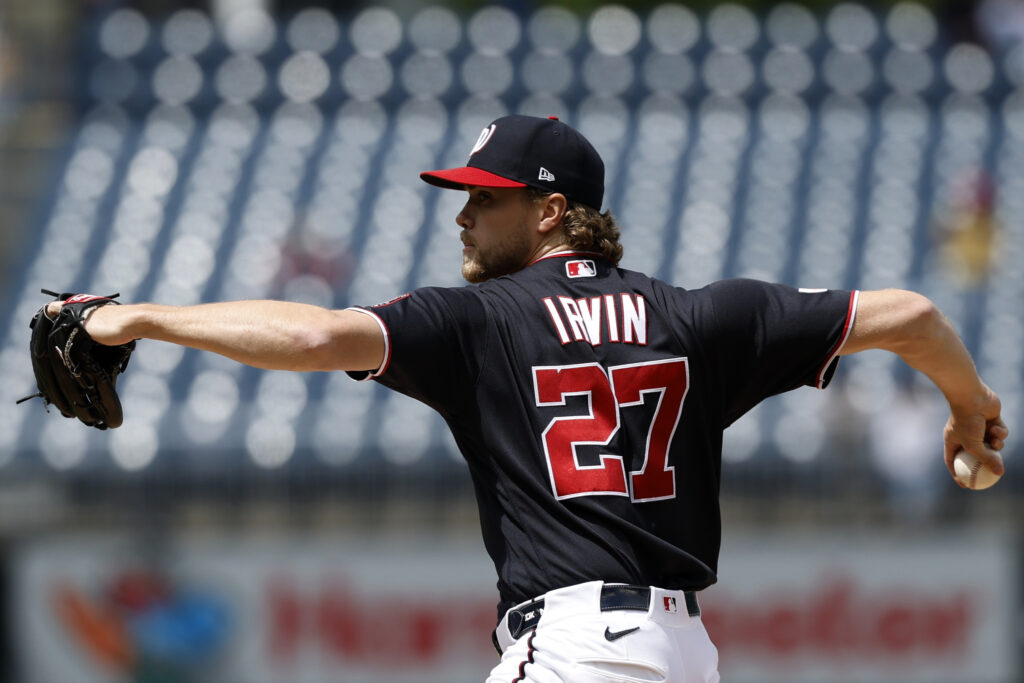
Jake Irvin takes the mound Friday night in Atlanta, his first appearance since a shoulder strain ended his start against the Braves on May 23—a 67-day absence compressed into a rapid rehab sequence. Washington activated the right-hander from the 60-day IL on Thursday, clearing roster space by optioning reliever Paxton Schultz. The timing slots Irvin directly into the weekend opener opposite Grant Holmes, a high-leverage moment for a rotation currently two games out of Wild Card position.
Irvin's injury cut short what looked like a breakout May performance: five hitless innings, seven strikeouts, one more inning away from his first quality start in 11 appearances. That context matters, because it masks a deeper truth in his profile. Through 51 2/3 innings pre-injury, Irvin carried a 5.23 ERA. His career line sits near 5.00. Last season he led baseball with 114 earned runs allowed—a staggering volume of damage across 196 innings. The strikeout uptick in early 2026 (25% K-rate versus 15.8% career) provided surface optimism, but one month of data doesn't erase three years of below-average run prevention.
His rehab stint offers a genuine technical positive: 8 1/3 scoreless frames across two Double-A Harrisburg appearances, nine strikeouts, one hit allowed. That's the kind of ramp-down that suggests mechanical integrity post-shoulder work. The K-rate there (9.7 per nine) is genuinely elevated relative to his season performance. But rehab ball velocity and opponent competition differ sharply from Atlanta's lineup. Bryce Harper, Manny Machado, and a Braves order that's been consistently among baseball's toughest on elevated fastballs create immediate environmental friction. Irvin's early-season strikeout surge came during an easier stretch. This matchup resets that advantage.
Books have likely priced Irvin's strikeout total north of his 5.23 ERA profile given the 25% K-rate narrative and his rehab momentum. The market tends to weight recent data heavily, especially on a player returning from injury—there's a redemption narrative embedded in activation day. What that pricing may have missed: Irvin's durability under contact and a ceiling on how many high-velocity batters he can retire by strikeout alone. Against a lineup with legitimate power and discipline, expect regression toward his seasonal mean, not extension of his Double-A performance. The edge lives in fading any aggressive strikeout projections and monitoring his pitch-count usage early, which managers typically cap post-IL returns regardless of feel.