Nationals Gamble on Williams as Depth Play After Year-Long Absence
By Justin Erickson ·
Trevor Williams returns from a 60-day IL stint, but his inconsistent track record makes him a speculative depth arm rather than a reliable stabilizer for Washington's rotation.
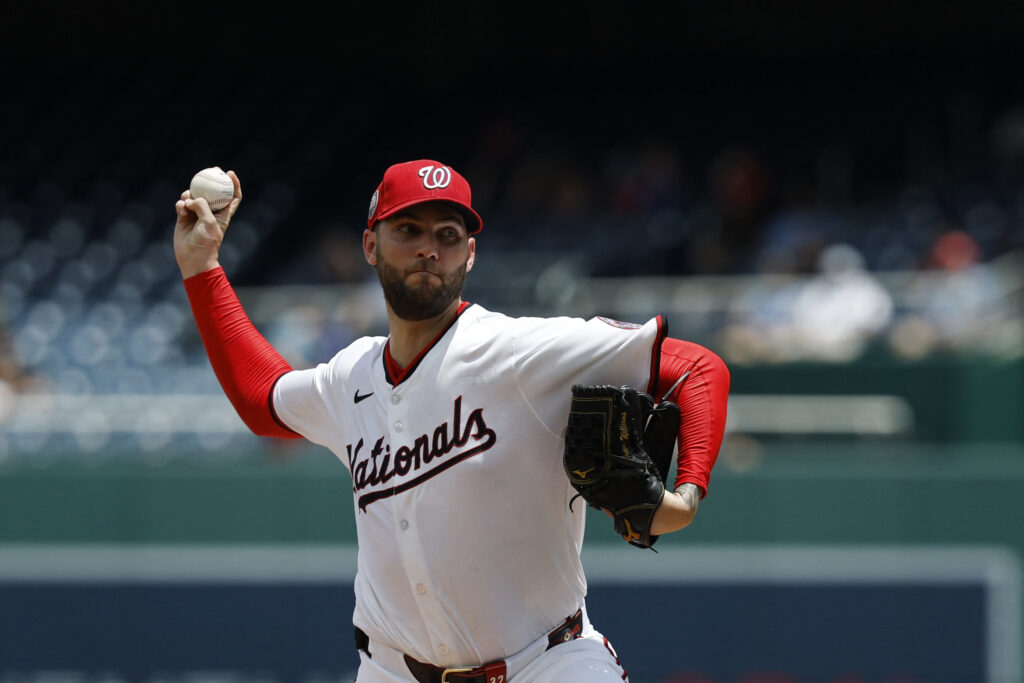
The Nationals activated right-hander Trevor Williams from the 60-day injured list ahead of Wednesday's game, reclaiming a veteran arm after a yearlong absence from MLB action. The team optioned Gus Varland to Triple-A to open a roster spot, signaling confidence that Williams can contribute meaningfully in the second half. At 34, Williams brings resume credentials—he's logged over 500 innings in the majors—but his recent track record offers little certainty about which version shows up.
Williams' last season (2025) was marred by ineffectiveness and injury, the combination that landed him on the 60-day IL in the first place. Before that, 2024 was his last genuinely useful season, though even then he operated as a back-of-rotation starter or long-relief option rather than a frontline contributor. His 2023 season was problematic, and further back, his 2019 and 2020 campaigns were unreliable—a pattern that suggests volatility is the only constant in his profile. The Nationals are betting that rest and health reset his trajectory, but that's a hope anchored more in institutional optimism than statistical precedent.
From a pitching environment standpoint, Williams' return does provide Washington with an extra arm for rotation depth or bullpen games down the stretch. The Nationals can slot him into lower-leverage spots while they monitor his workload and command. His strikeout rates have ranged from unremarkable to concerning depending on the year; his walk rates have been inconsistent. That unpredictability makes him a poor bet for reliable prop performance in any single outing.
For bettors, Williams' activation doesn't meaningfully shift Nationals game totals or pitching line expectations. He's unlikely to draw a start in a marquee matchup before proving he can execute at even league-average efficiency. If he does take the ball in an upcoming low-profile start, treat his strikeout props with extreme caution—his career K/9 is solid on paper, but recent seasons show he frequently underperforms his peripherals. The safer approach is to wait two to three starts to establish current form before assigning him predictive weight. One comeback outing rarely tells you anything durable about a 34-year-old pitcher coming off significant time away.