Yankees' Catcher Desperation Play: What a Jeffers Trade Means for October Odds
By Justin Erickson ·
New York's catching void is so severe that front-office scouts are already stalking Twins All-Star Ryan Jeffers three weeks before the deadline—and that urgency will cost them.
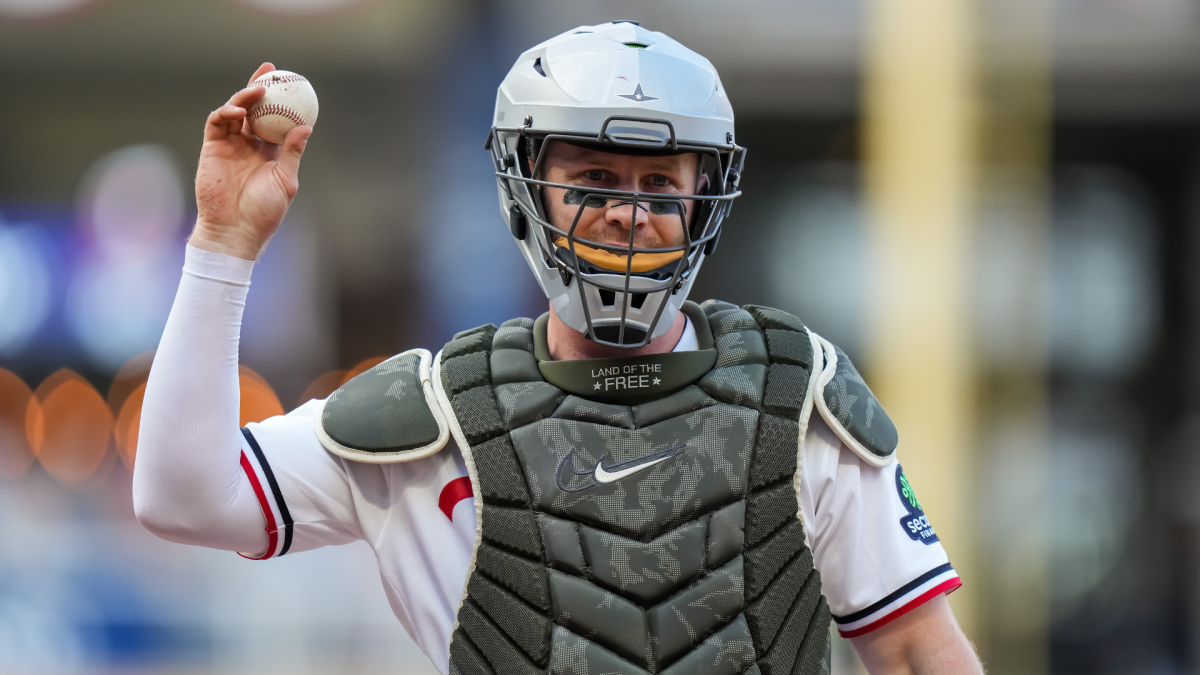
The Yankees' catching unit is functionally broken. Tyler Wells and company have combined for a .175/.252/.272 slash line this season—a production crater that no contender can absorb down the stretch. That desperation sent a New York scout to Friday's Angels-Twins game specifically to evaluate Ryan Jeffers, the Minnesota catcher who just returned from a hamate bone injury that sidelined him since mid-May. The message is clear: the Yankees aren't waiting. They're shopping now, three weeks before the August 3 trade deadline, and that visibility in the market is already a negotiating liability.
Jeffers is a real player. The 29-year-old is hitting .294/.408/.540 with seven home runs in 38 games and carries a career 109 OPS+ across parts of seven seasons. He's posted more walks than strikeouts this year and offers the kind of two-way value—solid defense, acceptable power, on-base discipline—that catches front offices' attention. The Rays showed up to the same game for the same reason. But here's the wrinkle: the Twins are only three games out of first place in the AL Central and sit one game back of the third wild card. They have zero incentive to trade him, and they know every contender knows it. The Yankees' public scouting presence amounts to a bidding announcement. Minnesota will extract maximum value, if they move him at all.
The timing also matters. Jeffers is eligible for free agency after this season, which means the Twins face a deadline of their own—do they lock him in long-term, or do they cash out at the deadline and reset? That optionality keeps the asking price high and uncertain. The Yankees may end up overpaying simply because Wells' .175 average has already cost them games. In a compressed playoff window, catching upgrades that move the needle cost draft capital or established relief arms, not mid-tier prospects.
For the betting market, Jeffers' availability signals something more fundamental: New York's October window is narrower than their payroll suggests. A team forced to shop this early for a position player almost always overpays, which translates into diminished reserves—fewer bench bats, thinner bullpen depth by September. The Twins, meanwhile, will either keep Jeffers and shore up their rotation at deadline, or they'll pocket the assets and punt 2026. Either way, Minnesota's trade market is no longer about incremental help; it's about structural positioning. Watch for the Twins to either stay put or make a big splash, not a quiet add.