Marlins' June Surge Keeps Alcantara in Uniform; Cardinals Will Test May's Market Value
By Justin Erickson ·
A month before the Aug. 3 deadline, contention reshuffles the seller's list—and two prime pitching assets may stay put or fetch premium returns.
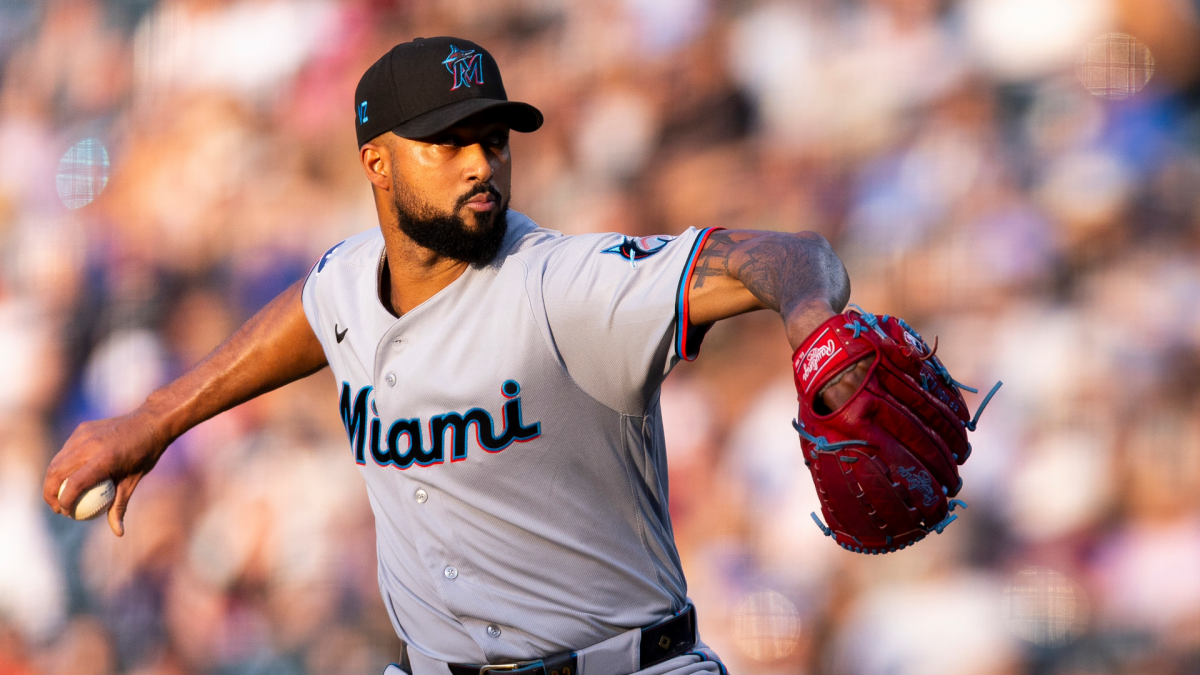
The Marlins' 20-6 June has compressed their timeline. At six games above .500 with a positive run differential and now mere percentage points from playoff position in the National League, Miami has shifted from fire-sale posture to cautious contender. That pivot matters more than standings points alone: it likely takes Sandy Alcantara off the trade block. The franchise's former Cy Young winner carries a 4.2 ERA and 1.28 WHIP over 115.2 innings—numbers that don't scream ace-level dominance but reflect both volatility and injury recovery after his recent return. The market had priced Alcantara as available. Now, Miami's unexpected surge gives ownership cover to hold rather than sell, and sellers often win those inventory games when the alternative is admitting their April outlook was wrong.
The Cardinals face a different calculus but arrive at a similar crossroads. St. Louis is competitive despite a rebuild mandate, which means they're buyers in theory but sellers in practice. That tension typically resolves in favor of moving movable pieces—and Dustin May fits that profile precisely. Signed to a one-year deal with a $20 million mutual option and performing better than his underlying peripherals suggest (his velocity and stuff have resurfaced), May will draw inquiries. He turns 29 in early September and functions as a pure rental barring both sides exercising 2027 options. The Cardinals will entertain offers by month's end, per the St. Louis Post-Dispatch, contingent on whether they remain competitive and the caliber of bids they receive.
For bettors, the scarcity of sellers—Alcantara staying put, May potentially moved—reshapes the strikeout prop landscape. If May departs, his current team loses a mid-rotation arm, which affects Cardinals bullpen usage and total innings allocated to remaining starters. If Alcantara stays, the Marlins stay the course with a pitcher operating in the 3-4 K/9 range depending on matchup. Both threads converge on a narrower pool of available starting pitchers, which typically tightens strikeout volatility league-wide. Teams with holes will bid aggressively for rental arms; contenders will hold mid-tier talent longer. The deadline-period seller's market tends to crater K props for non-star starters because acquiring teams lean on overworked bullpens and shorten leashes. The inverse plays out for star pitchers—fewer of them move, so their usage locks in. May's strikeout total (currently in the 8.5–9.5 range depending on book) faces compression risk if he's traded to a relief-heavy contender; Alcantara's holds steadier because Miami's June surge likely keeps him wearing the same uniform and operating on the same workload.
Neither Alcantara nor May is a high-velocity strikeout specialist, which means their prop appeal was always predicated on matchup and rest patterns rather than pure stuff dominance. The market has already baked in mid-tier arm expectations for both. What changes now is context: Alcantara's stability (he plays for a team committed to competing) raises his floor; May's portability (and likelihood of a trade to a contender with tighter bullpen budget) raises his ceiling for strikeout concentration but lowers his total inning allocation. For bettors, the move is to fade May strikeout overs in the next two weeks and wait for clarity on his destination—a team that acquires him mid-season often constrains his workload while ramping up high-leverage relief. Alcantara overs remain reasonable for the next month because Miami's contention window keeps his role intact.