Skubal to LA Signals a Structural Problem—and a Betting Inflection Point
By Justin Erickson ·
The Dodgers landed baseball's best pitcher mid-August, and ownership just handed the union a blueprint for why a salary cap will dominate winter negotiations.
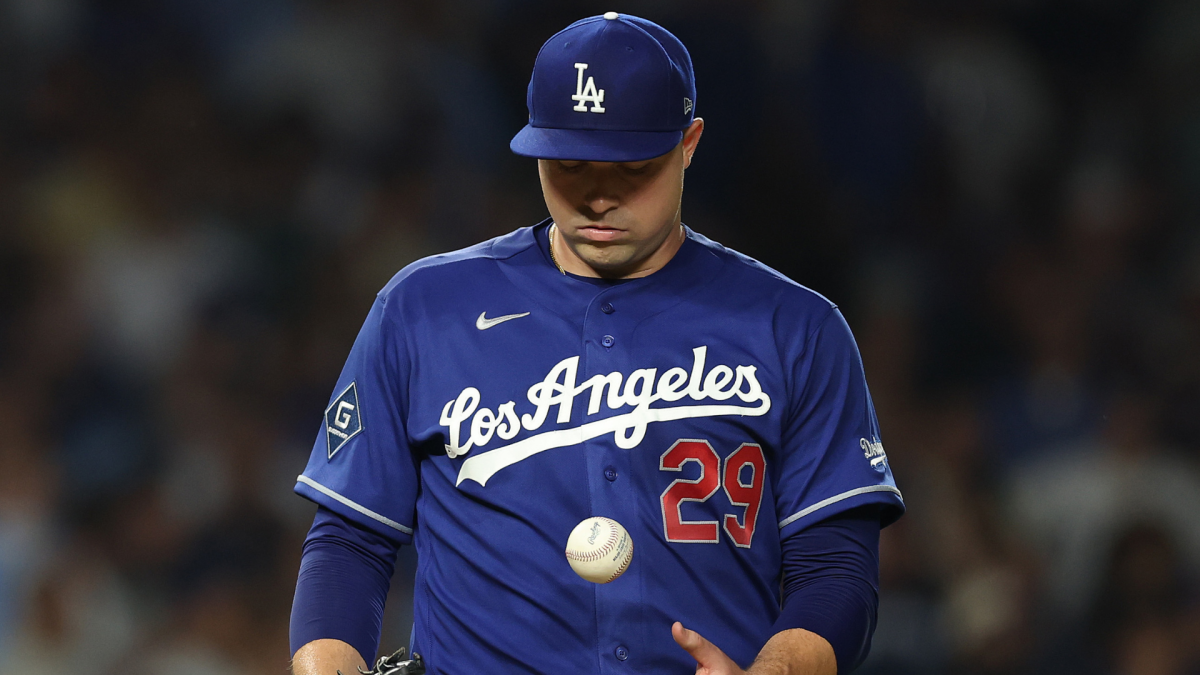
Tarik Skubal took the mound for Los Angeles on Tuesday against Chicago in his Dodgers debut, a loss that nonetheless crystallized the league's central tension. The trade—Detroit sending one of its elite arms west for a package of prospects—didn't just improve baseball's most talented roster. It handed the ownership class ammunition for the salary-cap fight that will define the next labor negotiation when the current collective bargaining agreement expires this winter. One league executive with direct knowledge of the deal framed the calculus plainly: owners view the Skubal acquisition as exhibit A in their case for competitive balance reform.
The math is simple enough. A healthy Dodgers rotation—anchored by Shohei Ohtani's arm when he's fully recovered, Clayton Kershaw's institutional knowledge, and now Skubal's dominant strikeout stuff—gives Los Angeles a pitching profile that no other contender can match. The Dodgers already won back-to-back World Series titles. They're 10 games up in the NL West with two months left in the regular season. The trade makes them the clear favorite to become the first team since the 2000 Yankees to win three straight championships. From the ownership perspective, that's not a feature of the current system—it's a bug. Owners will argue that without a salary cap, nothing prevents the richest franchises in the sport's most valuable markets from accumulating talent at the margins, turning marginal advantages into dynasties. The Dodgers aren't cheating. They're simply operating within a system that rewards scale.
But the trade also exposes how incomplete that narrative is. The Dodgers' structural advantage traces back further than payroll. Andrew Friedman, their president of baseball operations, arrived from Tampa Bay in late 2014 carrying an operational philosophy built on efficiency, prospect development, and roster flexibility. Los Angeles spent the next decade building one of baseball's deepest farm systems while maintaining the margin for error to absorb mid-season trades without crippling depth. That's not a function of money—it's a function of organizational discipline. Other clubs have similar resources. They've made different choices. The Dodgers chose to build for compounding advantage rather than immediate payoff. That choice, compounded over a decade, is why they could absorb the Skubal cost.
For bettors, the near-term implication is stark: Dodgers pitching props are entering a new tier. Skubal's arrival doesn't just upgrade the rotation's fourth or fifth slot—it removes depth constraints that have occasionally created spot-start vulnerabilities in September. In the final two months of the regular season, Los Angeles can deploy a rested, elite pitcher in nearly every high-leverage game. Oddsmakers already priced the Dodgers as World Series favorites; the market will now compress the median outcome of Dodgers postseason pitching performance upward. The sharpest edge isn't on Skubal's individual strikeout line—that will move to reflect his talent—but rather on the cumulative reliability of the Dodgers' full rotation in October matchups. Expect their team total to tick upward in playoff scenarios where they're favored, and expect unders on opponents' team totals to compress as the betting market reprices the likelihood of efficient Dodgers starts in elimination games.