Tigers Shelve Mize Before Deadline: Injury Risk Signals Seller Mode
By Justin Erickson ·
Detroit's precautionary scratch of Casey Mize three days before Monday's trade deadline confirms the organization is shopping its best arms, and velocity concerns from his last outing suggest the market may already be pricing in durability risk.
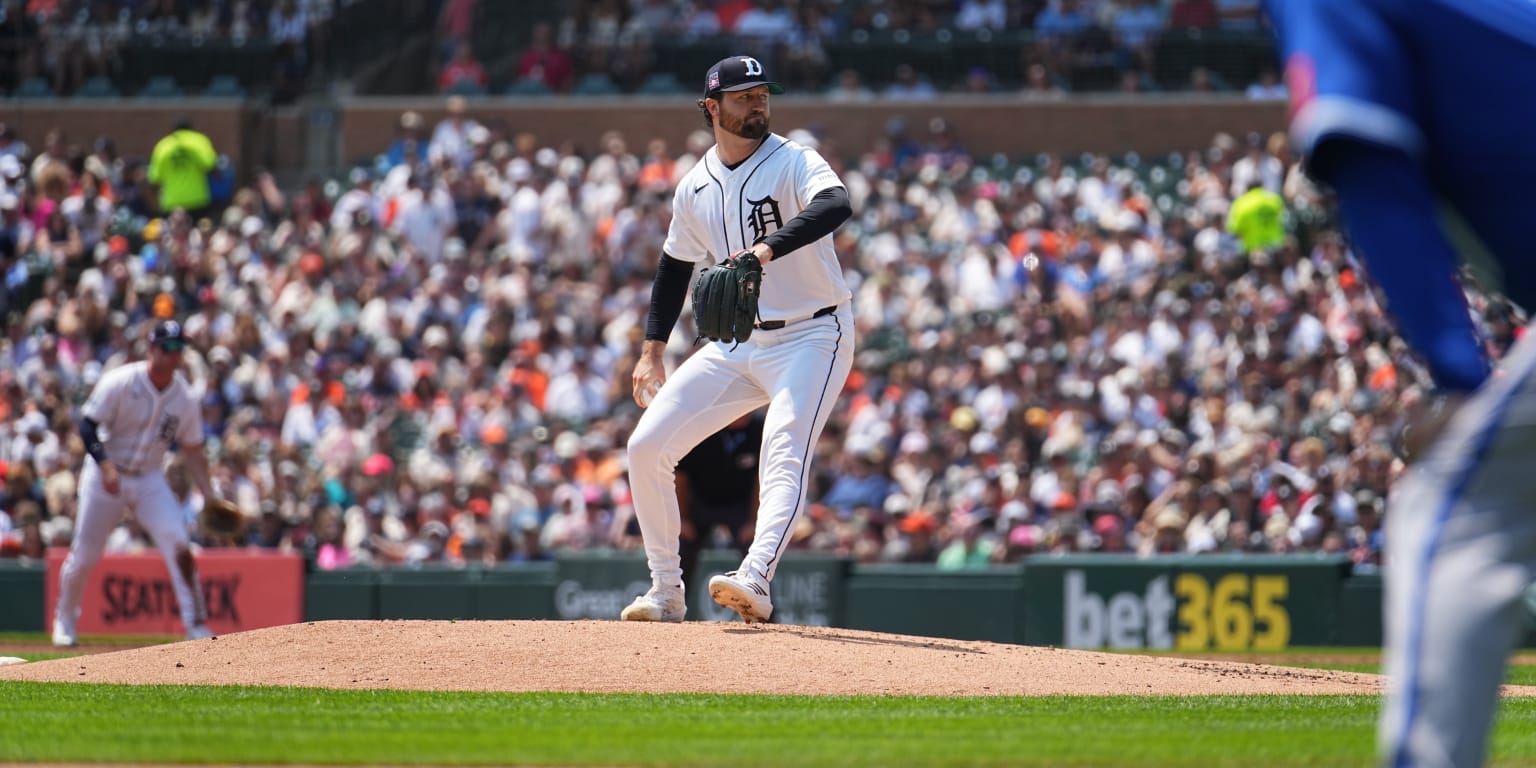
The Tigers scratched Casey Mize from Friday's start against the Athletics, a move that reads less like roster management and more like a final audition before the gavel drops on Monday's trade deadline at 6 p.m. ET. The organization has signaled it is listening to offers on Mize alongside back-to-back AL Cy Young winner Tarik Skubal, marking Detroit's formal pivot to seller mode. No trade is imminent, but the decision to hold Mize from the mound—Detroit's version of placing a prized asset in protective bubble wrap—carries unmistakable weight. The precedent is instructive: the Tigers made an identical choice with Jack Flaherty in 2024 before shipping him to the Dodgers days before the deadline.
Mize, 29, has been a resurrection story this season following Tommy John and back surgeries that wiped out nearly two years. When healthy, the numbers are genuinely elite: a 2.70 ERA, .992 WHIP, 8.8 K/9, and a 4.47 strikeout-to-walk ratio across 16 starts. His 2.9 fWAR already exceeds any single season of his career. But the nagging nature of his injury history—two separate groin stints this year alone, a comebacker that sent him to the IL in mid-July—has forced the organization into protective mode. The real red flag surfaced in his last appearance. Against Kansas City on July 26, Mize threw six innings of one-run ball, but his fastball velocity deteriorated measurably. His season-long four-seam average sits at 93.5 mph; last Saturday, he hit that mark only four times across 27 four-seamers, with his heater bottoming out at 89.4 mph. That kind of velocity compression—roughly 1.5 mph below baseline—either signals fatigue accumulation, mechanical adjustment to protect the groin, or both.
The timing of this scratch matters for how Detroit will field offers. A team acquiring Mize will be inheriting a pitcher entering his walk year with a documented history of soft-tissue issues and now visible evidence of velocity management in his most recent outing. That's not a minor detail in arbitration-eligible free-agent markets. Contenders shopping for a deadline starter want peak stuff; velocity dips invite skepticism about whether Mize can sustain a sub-3.00 ERA in October baseball. If the Tigers don't move him by Monday, Detroit has already signaled its confidence in his durability by planning to start him Tuesday in Seattle—a non-trivial statement that he's healthy enough for postseason work.
For bettors, the prop implications narrow quickly. Mize's strikeout rate has been his carrying tool all season (8.8 K/9), but the velocity recession visible in his last start suggests tighter margins between quality strikes and hittable offerings. If he remains a Tiger and takes the mound Tuesday against Seattle, the strikeout line will likely be priced assuming his season-long 8.8 K/9 floor. The market doesn't yet account for the possibility that the velocity dip is persistent rather than a single-start anomaly. A fade on Mize K props for his next start—should he pitch in Seattle—reflects that gap between the public memory (his elite K rate) and the most recent visual evidence (fastball that lost traction). This edge is narrow and single-event; it evaporates if his velocity rebounds in his next appearance. But the scratch itself, by exposing Mize to three days of inactivity before a potential start, compounds the variance risk in his next strikeout prop.
Mize framed the moment with clarity when asked about his preferences: he wants to win and play somewhere that values him. That's standard deadline-season rhetoric, but it also acknowledges the grim calculus facing both sides. If he's still in Detroit after Monday, he pitches Tuesday knowing every inning is an audition for next winter's free-agent market. That pressure, combined with the visible velocity concerns and groin-injury history, makes him a riskier high-volume strikeout bet than his season rates suggest.