Cubs' Execution Collapse in Run-Scoring Situations Extends to Sixth Straight Loss
By Justin Erickson ·
Chicago loaded the bases with nobody out and couldn't score a run; that single inning encapsulates a six-game skid built on situational failure, not raw talent shortfall.
The Cubs walked into Friday's game at Wrigley knowing exactly what was killing them. Manager Craig Counsell had diagnosed it before first pitch: runners on base, missed at-bats, the offense in its own way. Hours later, the offense delivered a case study. Trailing 1-0 in the third, Chicago loaded the bases with zero outs after a walk and two hit-by-pitches—as favorable a spot as baseball offers. Astros starter Spencer Arrighetti struck out Ian Happ, got Seiya Suzuki to pop up, and forced Michael Conforto to ground out. One inning, bases loaded, no runs, boos echoing off the bleachers. Houston 4, Chicago 2, final.
The through-line across this six-game skid isn't talent. It's a pathological inability to execute when it matters. Chicago went 0-for-9 with runners in scoring position Friday and stranded 11 base runners. Over the past four games, the offense has managed seven runs total—a pace that would yield roughly 180 runs over a 162-game season, among the bottom three in baseball. Jameson Taillon lasted 4⅔ innings and allowed four runs on eight hits; the Cubs' starter wasn't the problem. The problem was runners left on third base, one out away from tying the game, going home empty.
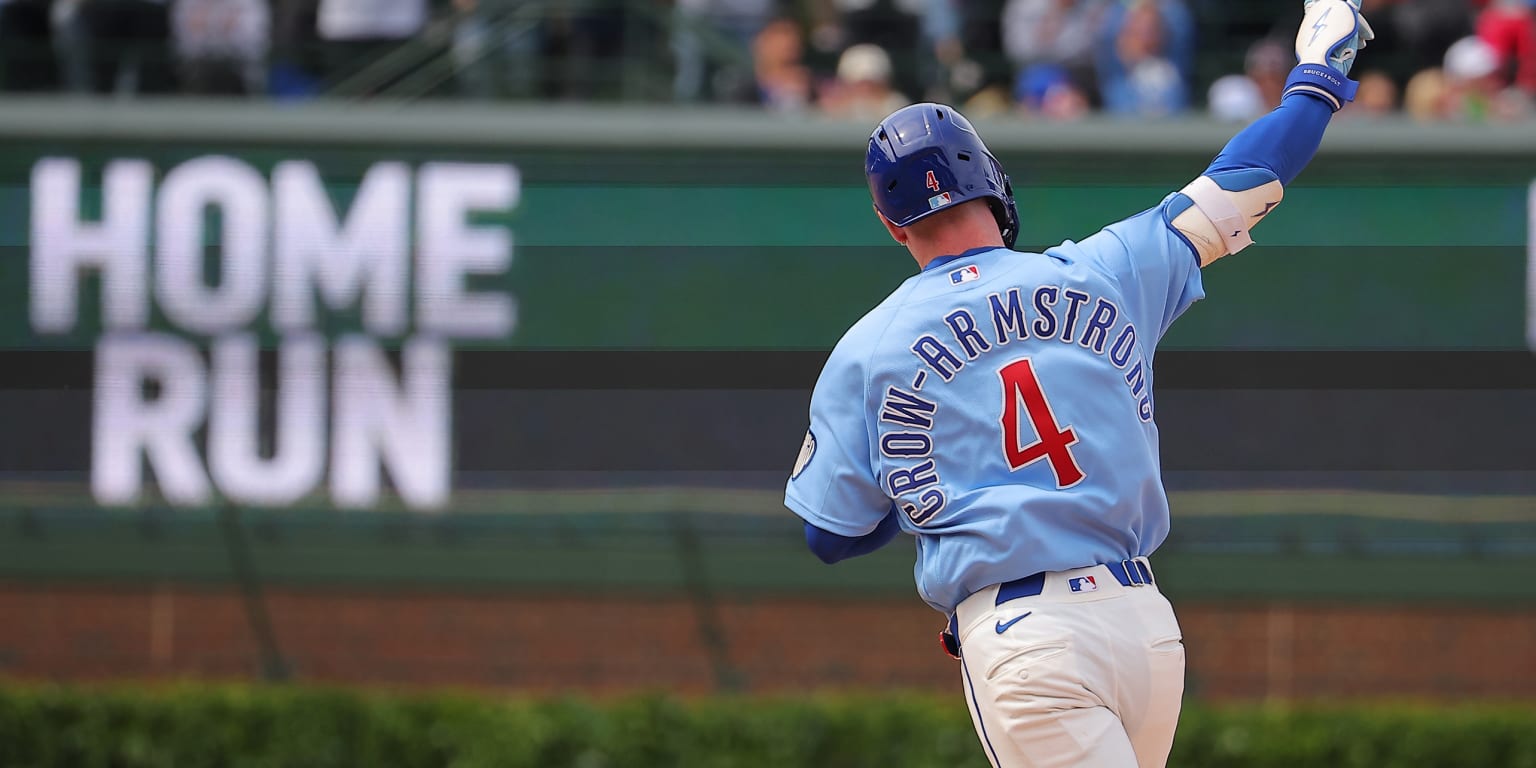
Pete Crow-Armstrong did break through in the sixth with a 104.7 mph line drive that traveled 406 feet for a two-run homer, snapping a 15-inning scoreless drought. But one swing, two runs, one frustration. Houston's bullpen closed the door on a Cubs offense that looked capable of scoring but incapable of closing. That distinction matters for how to read the next few games.
The gap between talent and execution in run-scoring situations—especially with two outs and bases loaded—is typically narrow and short-lived. Teams that load bases with nobody out don't go 0-for-9 with RISP over a full week by accident; they either have fundamental swing-and-miss problems or are facing elite pitching. Against Friday's Astros starter (76.8 mph curve that got Happ), it was the former. For prop purposes, this matters because situational slumps this severe (0-for-9 RISP, 11 left on base) don't persist for more than 1-2 additional games. Teams either snap out of them or the strikeouts compound into something deeper. Chicago's strikeout rate in those spots is worth monitoring; if they're whiffing at hittable pitches with the game on the line, that's a mechanical problem worth fading. If they're just running into elite stuff on a bad streak, unders on their team total should tighten within the next 48 hours as the market prices in mean reversion.
The current situation sets up a clear fade opportunity for one window: take unders on Cubs team totals tonight and tomorrow while the line sits bloated from the six-game skid. The offense is too talented (Suzuki, Crow-Armstrong, Happ) to stay this cold in execution, and once the market realizes that a bases-loaded inning that produces zero runs is an outlier, not a new baseline, the line will shift. The timing edge belongs to teams fading the moment, not riding it.