Peterson's Deadline Move Creates Short-Term Rotation Depth for Cubs, But Illinois Comment Signals Durability Risk
By Justin Erickson ·
The Mets ship David Peterson to Chicago to patch rotation holes, but immediate injury concern clouds the acquisition's fantasy and bullpen-load calculus.
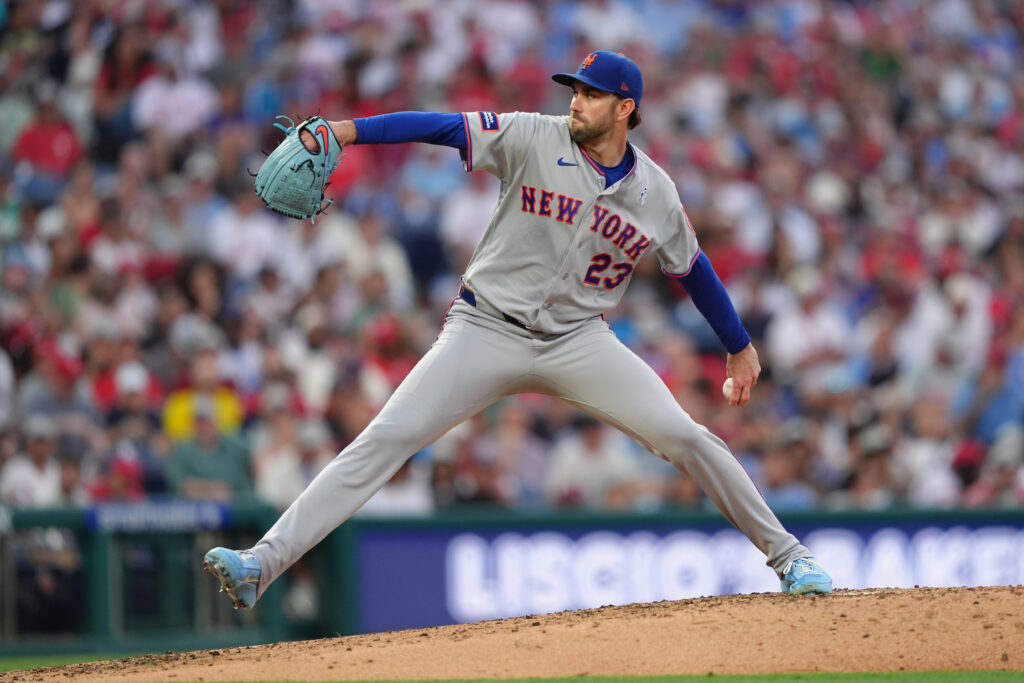
The Cubs acquired left-hander David Peterson from the Mets on Wednesday, addressing a mounting injury crisis in their starting rotation. Chicago is dealing with multiple injuries and moved quickly to add depth before the deadline window tightens further. The deal sends Cole Mathis, a minor league first baseman, to New York in exchange.
Peterson's mid-season repositioning matters less for his individual prop value than for what it signals about Cubs rotation workload over the next 10 weeks. A healthy Peterson gives Chicago a fourth or fifth arm without forcing the bullpen to shoulder high-leverage innings in back-to-backs, which directly impacts game totals, under/over pricing, and pitching depth metrics heading into August. The Mets' willingness to move him suggests they have confidence in their own depth chart behind him—or they were testing the market and found a partner willing to gamble.
But here's the catch: a social-media user's immediate comment that Peterson will land on the IL by Friday (within 48 hours of this trade) reflects real chatter in baseball circles about his durability status. Without access to Peterson's full health dossier, we cannot confirm whether that's informed speculation or noise. However, the timing—trading a starting pitcher mid-June when rotation holes usually don't crater this early—suggests the Mets may be getting ahead of a medical issue rather than simply excess depth. If Peterson hits the shelf within days, the Cubs trade value evaporates instantly, and Chicago's rotation picture deteriorates faster than Wednesday's headlines suggest.
For bettors, this creates a binary outcome. If Peterson stays healthy, Cubs team totals should compress slightly downward over the next 2-3 weeks as Chicago stabilizes and leans on a dependable starter, reducing bullpen strain and lowering run expectancy in games where Peterson takes the ball. Conversely, if he lands on the IL before July 1st, Cubs moneyline and run-line prices become volatile, and unders on Chicago team totals become more valuable as the rotation stress returns.
The edge, if one exists, is temporal: back Cubs unders in Peterson's first 2-3 starts (if he actually makes them) as the market prices in depth and stability that may not materialize. If he pitches two clean outings without injury, the angle fades and the Cubs return to baseline expectations. This is a single-event opportunity, not a structural trend—it expires as soon as Peterson's health is definitively known.