Mets Break 91-Game Drought in Late-Inning Subway Series Thriller
By Justin Erickson ·
After 18 months of futility in close games, the Mets finally converted a ninth-inning deficit into a walk-off win—a psychological reset that rewires how to price their momentum and bullpen exposure.
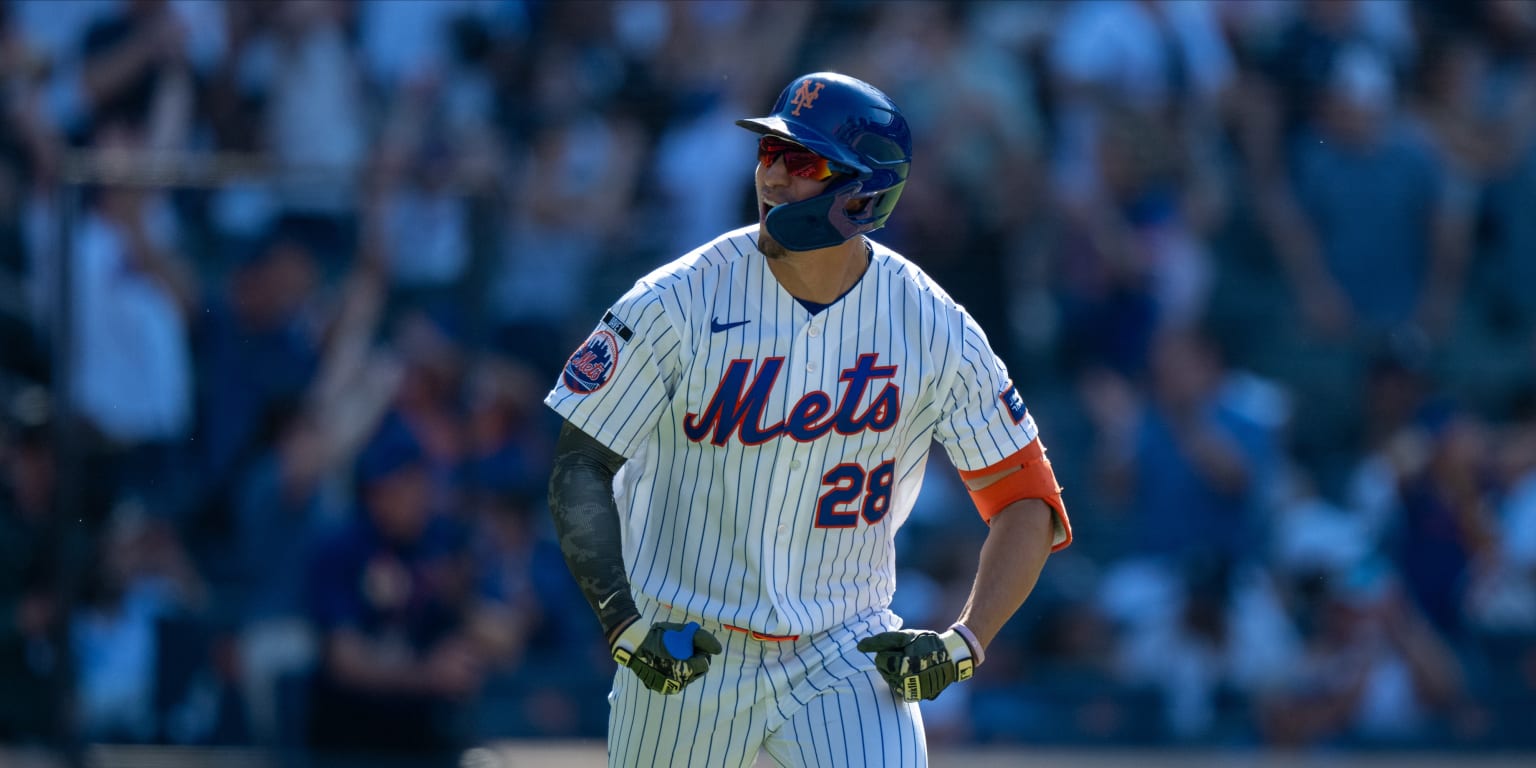
The Mets snapped a brutal 0-91 record when trailing after eight innings on Sunday, defeating the Yankees 7-6 on a two-out, three-run homer by Tyrone Taylor in the ninth and a walk-off fielder's choice by Carson Benge in the 10th. That 91-game sample stretched back to Pete Alonso's Game 3 homer in the 2024 Wild Card Series at Milwaukee—a full calendar year of late-inning collapses that had calcified into an organizational ceiling. One win doesn't erase the pattern, but it does crack it.
Taylor's blast came on a first-pitch curveball hung by closer David Bednar, a moment where pitch quality and execution aligned in the Yankees' disfavor. The Mets had trailed for nearly eight full innings, absorbing defensive mishaps (a Bo Bichette dropped popup) and unreliable starting pitching (Freddy Peralta's brief outing, Sean Manaea's shaky long relief). But the sequence that mattered was the ninth: two hits off Bednar to lead off the frame, Taylor's two-out equalizer, then Benge's tenth-inning grounder that turned into a walk-off when Yankees infielders collided while playing a five-man infield. Chaos rewarded the chaser.
The betting implication hinges on how markets price the Mets' clutch-game volatility going forward. For the past 18 months, the 0-91 trail record functioned as a hidden variable depressing moneyline value on Mets close-game situations: implied win probability on late-inning deficits was punished by a historical penalty that hadn't adjusted in real time. That penalty was real data. But single-game volatility—especially a two-out, ninth-inning reversal—triggers market overcorrection in the opposite direction. Books will briefly treat Sunday's result as a confidence inflection point rather than a one-off statistical wobble in a persistent pattern.
The sharper angle: fade the Mets moneyline for the next two weeks when they're entering the ninth trailing by fewer than three runs. The market will overshoot its adjustment, pricing yesterday's win as the beginning of a late-inning turnaround rather than a variance correction. The team remains fundamentally the same construction—injuries, shaky relief, uneven starting depth—but the narrative has shifted. Bettors will back the Mets in similar spots at shorter odds than the historical data supports. Conversely, if the Mets are trailing late and trading at plus-odds tomorrow or Wednesday, those situations become slight leans toward the underdog value, because the market will have already priced in a phantom clutch-gene recovery.