Mets Blow Up Mid-Season: Mendoza Out, Stearns' Overhaul in Free Fall
By Justin Erickson ·
After a $300M offseason reboot produced a 34-47 record by June, New York fires its manager—but the real problem isn't in the dugout.
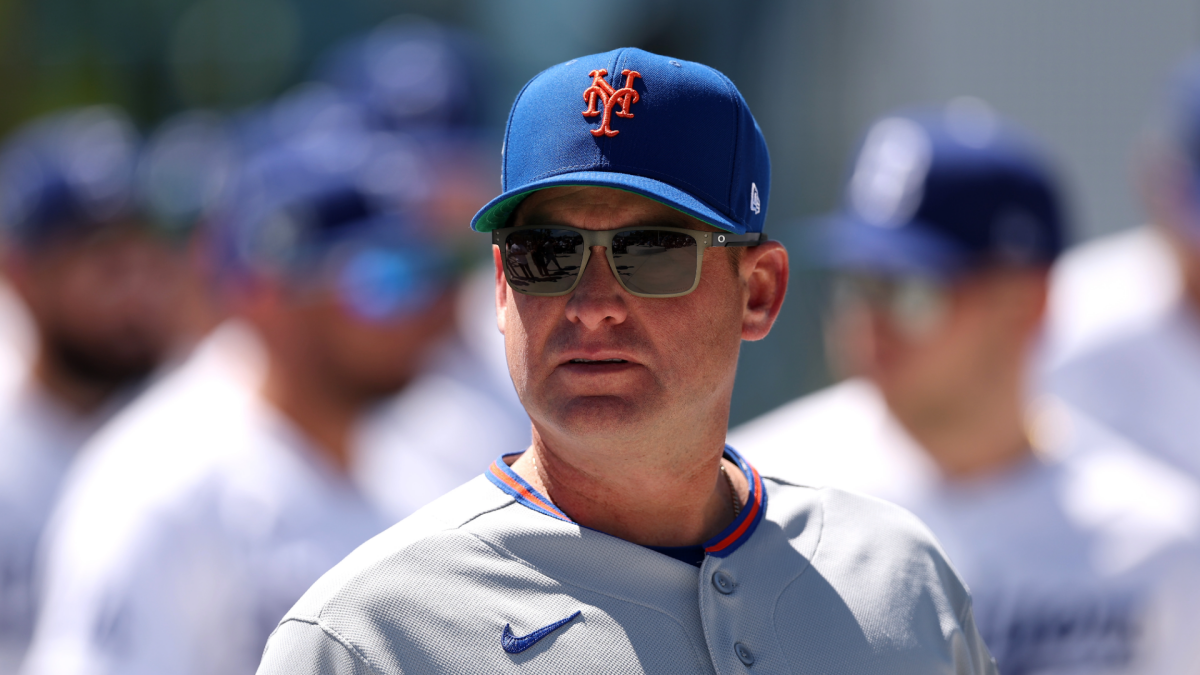
The Mets fired manager Carlos Mendoza on Friday morning, ending a tenure that began with a playoff appearance but deteriorated into organizational chaos. At 34-47 through 81 games—11 games below .500 at the season's midpoint—New York has lost six straight and been outscored by 32 runs in that span. A 12-game losing streak in April set the tone; this week's sweep by the Cubs at home sealed Mendoza's fate. Andy Green takes over as interim manager for the remainder of 2026.
Mendoza's removal is mathematically justified but strategically incomplete. His first season (2024) ended in a playoff loss to the eventual-champion Dodgers. Last year, the Mets opened 45-24 before collapsing to 38-55 down the stretch and missing the postseason entirely—a 38-win swing that exposed far deeper fractures. President of baseball operations David Stearns arrived in the offseason with a mandate to retool. He shipped out Pete Alonso, Edwin Díaz, Brandon Nimmo, and Jeff McNeil, then spent north of $300 million acquiring Bo Bichette, Marcus Semien, Devin Williams, Luke Weaver, Freddy Peralta, and Luis Robert Jr. The vision was clear: tear down the aging core and construct a younger, more dynamic roster. The execution has been a disaster.
Bichette arrived as the centerpiece and symbol of the reset, yet he opened the year in a prolonged slump before salvaging June. Peralta and Weaver, both frontline arms acquired to anchor the rotation, have underperformed. David Peterson—a rotation cornerstone who was supposed to benefit from the new supporting cast—imploded so thoroughly he was traded to the Cubs this week. Kodai Senga, another rotation lynchpin, has also disappointed. Meanwhile, the lineup's top two hitters—Francisco Lindor and Juan Soto—have battled injuries that have ravaged offensive consistency. The pitching collapse and injury plague aren't Mendoza problems; they're roster problems. Firing the manager is organizational theater when the real issue is that Stearns' $300M reset produced a worst-in-baseball-except-Athletics-and-Rockies record and a team now 13 games back of .500.
For bettors, the managerial change itself carries minimal edge in the short term. New managers typically produce a 3-5 game honeymoon effect (winning percentage bump of 5-8 percentage points over the next 10-15 games), but that fades as regression reasserts itself. What matters here is that the Mets' core problems—incomplete health, rotation volatility, and a lineup gutted of its best players—remain unchanged. The team's implied win total for the second half (assuming a .407 pace) is roughly 63-64 wins, placing them at 97-98 for the full season. That aligns with market projections already pricing in dysfunction. Unders on Mets team totals over the next month carry only standard-issue value until the injury list clears and the rotation stabilizes. A managerial band-aid doesn't fix a fundamentally broken organization.