Mets Cycle Through Roster Depth Again, Signaling Organizational Churn
By Justin Erickson ·
New York designated outfielder Jared Oliva hours after acquiring him on waivers, spotlighting a pattern of rapid roster turns that obscures the team's actual depth construction.
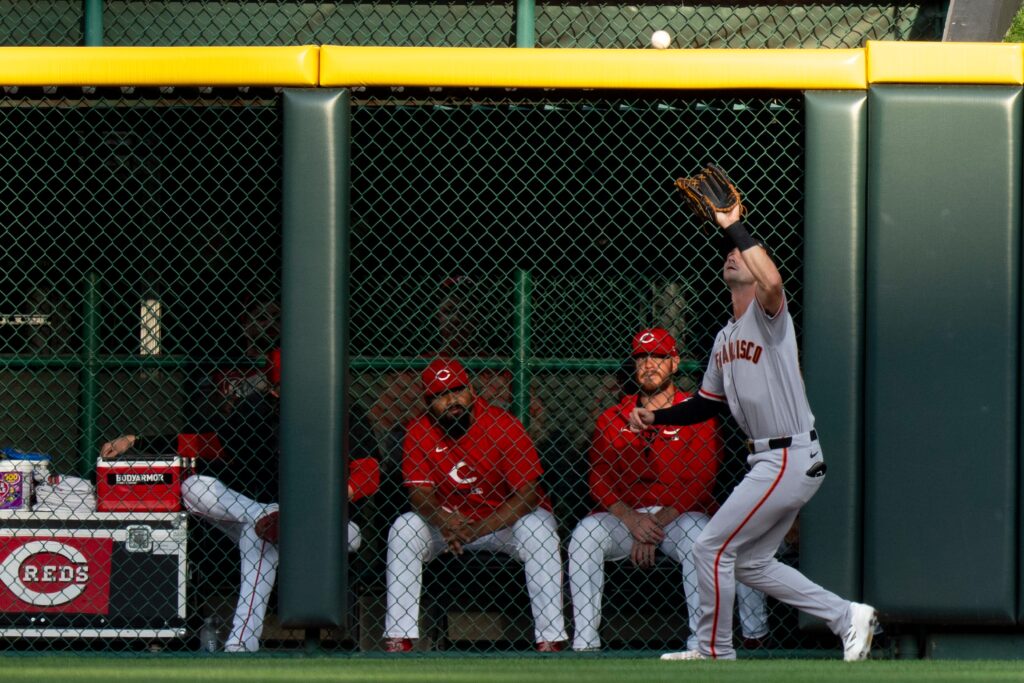
The Mets designated outfielder Jared Oliva for assignment Thursday morning, just hours after claiming him off waivers from another organization. His 40-man roster spot transferred to reliever Dan Hammer, who was promoted from Triple-A Syracuse. Tobias Myers was optioned to Syracuse to create the active roster vacancy—a clean paperwork reshuffle that masks a deeper organizational issue: New York is cycling through available talent faster than it's building a cohesive roster.
Oliva, 30, never appeared in a game for the Mets. The quick reversal is not unprecedented in baseball—teams occasionally claim and reclaim players as depth-chart math shifts—but the frequency with which the Mets have moved marginal talent in and out this season reflects something more significant. Waiver claims are low-risk lottery tickets; they cost nothing in trade capital and allow teams to evaluate free talent before deciding to keep or discard. The issue is not the claim itself but the message it sends about confidence in the available pool.
Dan Hammer's promotion from Syracuse suggests the Mets viewed relief depth as the priority. Hammer carries a track record at the minor-league level and represents a more concrete organizational asset than a waiver pickup. By contrast, Oliva's designation signals that—on an organizational chart—he ranked below a pitcher who hasn't yet pitched in the majors this year. That's not a reflection on Oliva's talent; it's a reflection on how the Mets currently evaluate marginal outfield depth against internal relief candidates.
For bettors, this kind of roster volatility has indirect implications for team-total and spread forecasting. When a team is perpetually tweaking depth-chart slots—swapping relievers, cycling outfielders—it suggests either injury pressure (forcing rapid replacements) or uncertainty about the core rotation and lineup. If the latter, team totals become harder to project because the lineup's offensive identity remains unstable. The Mets' pitching staff has enough talent that relief help (Hammer's arrival) can matter at the margins; a fresh arm in the bullpen can compress leverage innings and reduce bleed in close games. But if the roster churn indicates deeper structural holes in the position-player mix, those holes won't disappear via waiver-claim roulette. Team totals should reflect this ceiling—evaluate Mets games as dependent on whether their core bats produce, not on whether the next waiver-wire depth piece sticks.