Mets Keep Stacking Speed in Callup Room—Morabito Adds Bench Chaos Potential
By Justin Erickson ·
New York's youth infusion gains another 70-grade speed weapon, but his path to consistent AB leverage remains narrow.
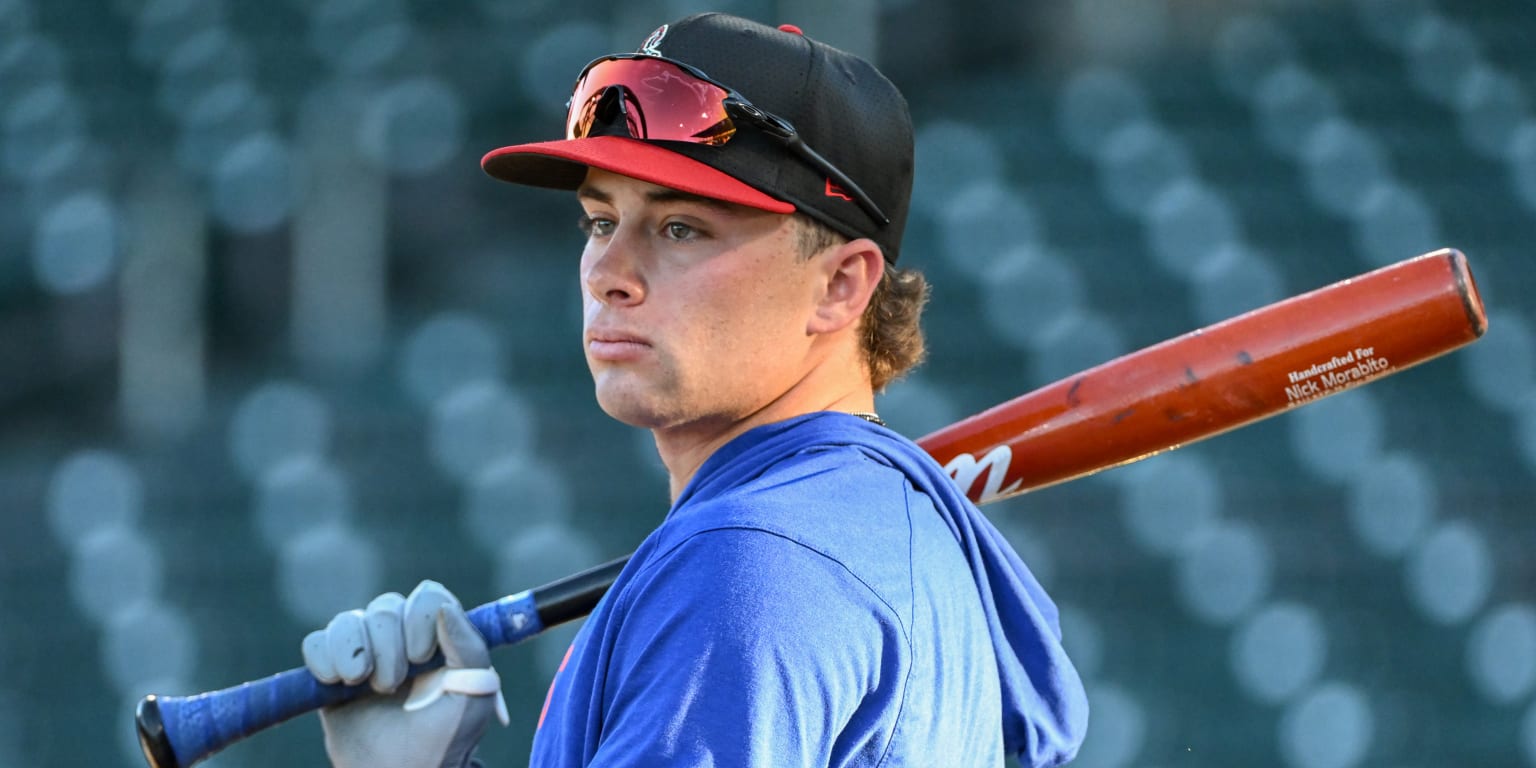
The Mets promoted prospect Nick Morabito from Triple-A Syracuse on Wednesday, continuing a roster construction push toward youth and athleticism. Morabito, ranked No. 11 in the organization's farm system, earned the callup after posting 14 stolen bases in 41 games for Syracuse, where he hit .253 with a .364 on-base mark. His 70-grade speed on the 20-80 scouting scale matches A.J. Ewing's elite foot speed, but his role shapes up differently: Morabito projects as a fourth outfielder and pinch-runner rather than a starting candidate.
The Mets front office is building around athleticism as a strategic anchor. In the last fortnight, the team has promoted Ewing (fresh off a seven-hit debut, with a homer and triple in limited exposure) and Carson Benge, whose hitting trajectory reversed sharply after a brutal first 21 games (.416 OPS). Benge has since posted a .345 batting average over his last 23 contests while delivering go-ahead RBIs in extra innings three times in a single week. Speed and youth haven't just improved the roster on paper; they've produced tangible run-creation moments. Austin Slater, the roster casualty here, managed only a .586 OPS in nine games, so the math was straightforward.
From a leverage standpoint, Morabito enters a constrained usage profile. The Mets' outfield already houses established players, and his calling card—sprinting and defense—translates to late-game substitute roles, pinch-run situations, and spot starts against specific matchups. His 41-game Triple-A sample includes a recent 0-for-20 drought, a reminder that minor-league speed translates to major-league outs at the plate until plate discipline sharpens. His .364 OBP, while respectable for a speed-first profile, suggests he'll draw pitches to chase rather than walk frequently.
On the betting slate, Morabito's arrival softens expectations around team stolen-base totals only marginally. The Mets' stolen-base prop—if standalone or embedded in team total derivatives—will reflect marginal speed upside, but the real question is consistent playing time. Morabito enters as a bench asset, not a lockdown starter. Games where the Mets face left-handed starters or deploy a defensive shift heavy lineup might unlock 3-4 plate appearances for him; blowout scenarios add fifth-inning PH at-bats. That fragmentation means single-game SB props on Morabito carry volatility. Over a full week, though, if he sees 10-12 total at-bats against a mixed pitcher sample, one stolen base becomes a reasonable expectation given his success rate in the minors. Fade aggressive single-game SB plays on him until he locks into a clear platoon or injury-replacement role.