Messick's Velocity Spike and Run Prevention Hold Against Milwaukee's Lineup Chaos
By Justin Erickson ·
Parker Messick's fastball jumped two mph above season average while pitching through constant baserunner traffic, signaling either sustainable mechanical gains or single-game variance.
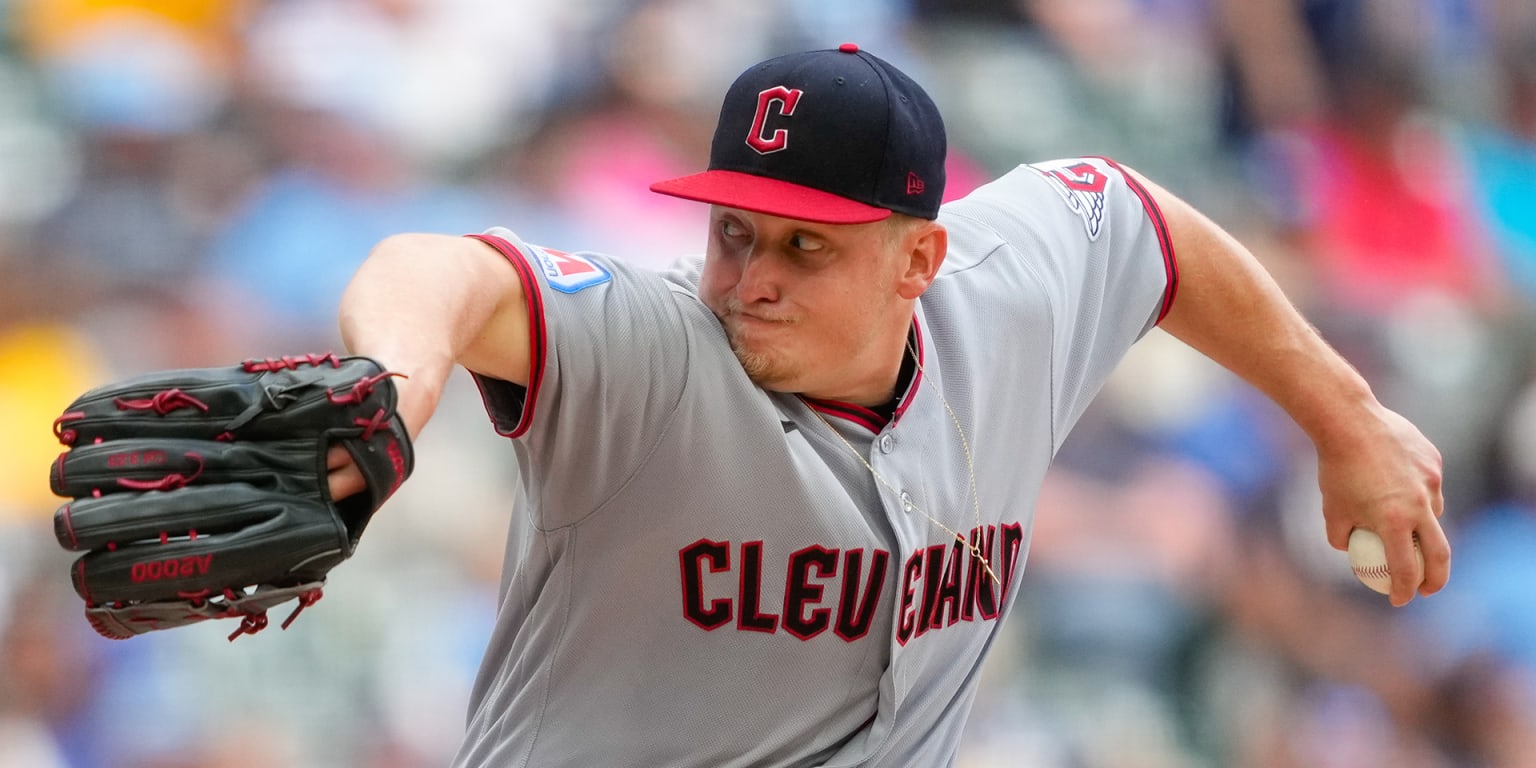
Parker Messick pitched through a gauntlet Thursday at American Family Field. The Brewers loaded the bases in multiple innings—three runners on in the second, Yelich doubling to open the third, constant pressure throughout six frames—yet Messick escaped with two runs allowed on four hits and nine strikeouts. Manager Stephen Vogt's read was straightforward: the left-hander made the pitches when it mattered.
What stands out beyond the clean line is the velocity anomaly. Messick's four-seam fastball averaged 95.9 mph, more than two mph above his 93.7 season baseline entering Thursday. He topped out at 97.5. Six of his nine strikeouts came via that fastball, which Messick attributed to mechanical recalibration—"getting back to what we were doing the first couple months of the season." If true, this is measurable evidence of corrective work, not random variance. But the data set is one outing. Velocity can spike in isolated games without indicating a new baseline, especially early in a pitcher's season. The next three or four starts will either confirm the adjustment or reveal it as noise.
The Guardians offense finally answered after a brutal stretch. Kyle Manzardo (who has mashed eight homers in June, batting .308 this month) tied the game with a sixth-inning solo shot. Travis Bazzana, the rookie second baseman, answered with a go-ahead homer in the seventh—two innings after a picked-off mistake that cost Cleveland a run. David Fry snapped an 0-for-12 funk with a third-inning game-tying homer. The 4-2 final snapped a five-game losing streak in Milwaukee and provided some air for a roster managing absences (José Ramírez, Angel Martínez, Chase DeLauter out).
For prop bettors, Messick's line hinges on whether that velocity hold is real. His strikeout prop tonight against Milwaukee showed the bump—the book likely has him in a higher range for the next outing. The mechanism matters: if the mechanical fix is durable, his K-rate climbs with fastball velocity and his xFIP improves. If Thursday was a one-game spike, the market will correct within the week and the line collapses back to his 93.7 mph baseline. Watch his next two starts against lower-leverage offenses. If velocity stays at 95+, the strikeout floor rises. If it dips back to 93-94, the adjustment was transient and any aggressive K-prop pricing on Messick becomes a fade.
Bazzana's baserunning miscue followed by immediate redemption is narratively tidy but unreliable as a prop signal—rookies live on roller-coaster variance. Manzardo's June tear (.308 avg, 8 HR in one month) is worth tracking for team-total overs, though June offensive spikes don't always sustain through dog-days baseball in late July and August.