Aaron Ashby's Win Streak Is Real, but Don't Mistake Relief Wins for Reliable Betting Leverage
By Justin Erickson ·
The Brewers' vulture has seven wins as a reliever—an oddity that's masking the real story about Milwaukee's pitching depth and how it reshapes bullpen prop angles.
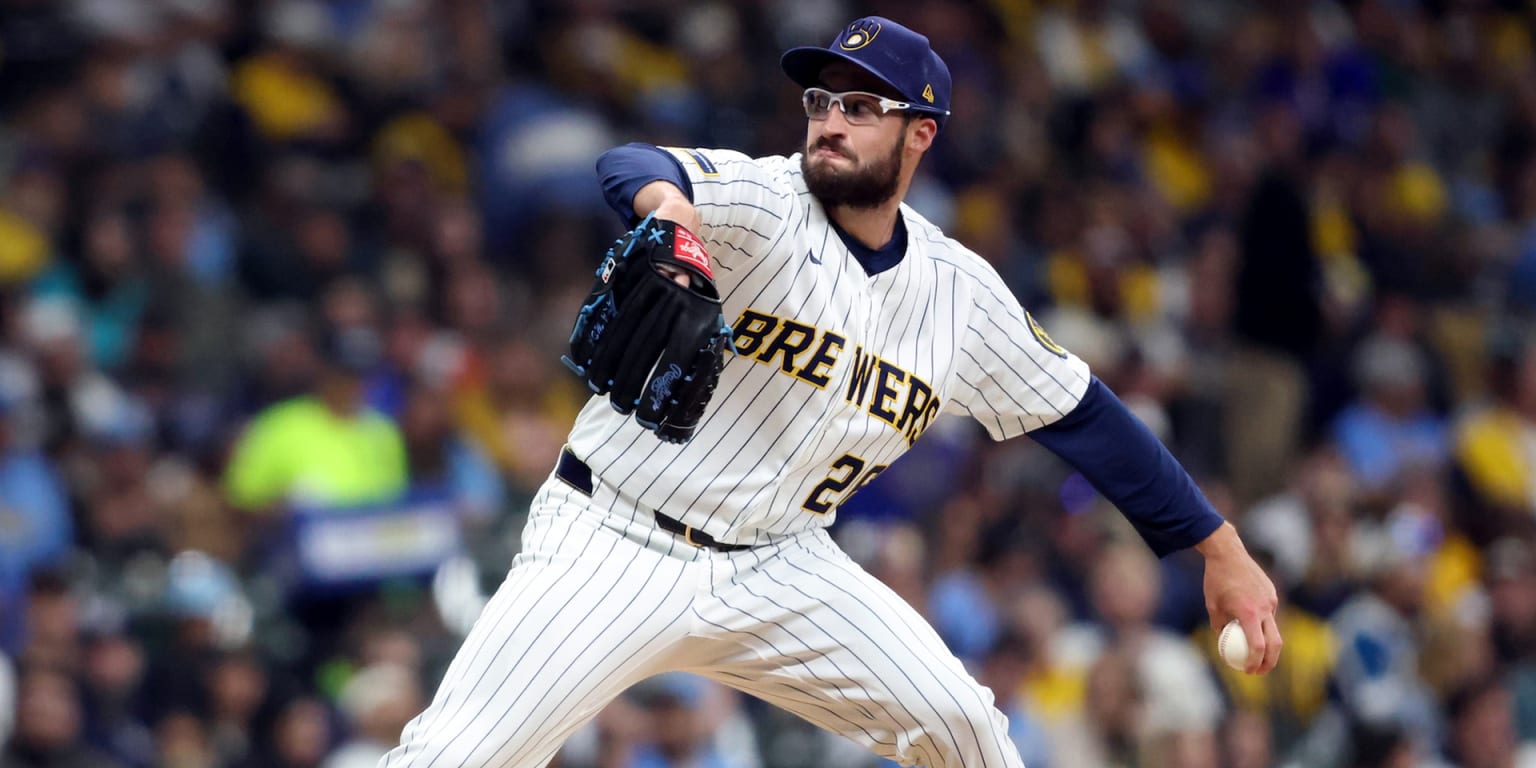
Aaron Ashby leads Major League Baseball with seven wins, a statistical curiosity that has earned him the nickname "vulture" from his Brewers teammates. That's noteworthy not because relief aces winning titles is common—it isn't—but because Ashby is doing it as a genuinely durable, high-volume arm in a role that has historically produced feast-or-famine records. He's 7-0 with a 2.08 ERA across 19 appearances, including one start as an opener, and the Brewers have engineered a usage pattern that leverages his health and availability in a way that directly impacts Milwaukee's late-inning betting architecture.
The "vulture" label traces back to Phil Regan's 1966 Dodgers season, when he went 14-1 while picking up wins in games the Dodgers had already taken control of. Elroy Face set the modern record for relief wins (18-1 in 1959), but never led the league. Brent Suter wore the moniker for Milwaukee in 2011 and eventually leaned into it. Ashby's current pace is historically unusual because no reliever who has made at least 80 percent of his appearances in relief has ever led the majors in wins. Yet here he is, four weeks into the season, carrying a spotless record and a sub-2.10 ERA—metrics that speak to actual performance, not just timing luck.
What makes Ashby's emergence material for bettors is manager Pat Murphy's trust in him as the most reliable arm in the bullpen. Murphy watched Ashby barely throwing it in Spring Training 2024 after a shoulder injury had derailed his rotation timeline, then saw him become essential in 2024 and carry that momentum into 2025. If Ashby reaches his target workload of 110 innings—the most ever for a Brewers reliever with his usage rate—the Brewers' bullpen depth profile changes. That's not abstract: high-leverage relief arms that log 100+ innings suppress late-inning leverage situations and compress the variance on team totals, especially in close games where the bullpen's trust in one dominant arm tilts decision-making toward earlier outs and tighter pitch sequencing.
For bettors, the vulture narrative is a red herring. Ashby's wins are a byproduct of being in games the Brewers are winning. What matters is that he's a legitimate reliever with elite command (2.08 ERA) who is eating innings at a volume that limits Milwaukee's exposure to lesser bullpen arms in tight spots. That has two prop angles: First, Brewers team totals in games where Ashby is unavailable (rest days, injury) should see modest upward pressure compared to his regular availability—his absence removes a stabilizing force. Second, his strikeout rate (likely around 11-12 per 9 inning at this pace) should be monitored on nights when betting props lean heavily on bullpen K volume. If he's on the mound in the eighth inning of a tight game, the strikeout environment shifts. The vulture isn't a gimmick; he's a structural component of Milwaukee's win probability now.
Ashby himself downplayed the win total, saying he's "sure people are maybe paying attention, but it doesn't feel like something worth paying attention to." He's right about the narrative—chasing relief win totals is noise. But wrong about the implication: his durability and Murphy's deployment of him as the bullpen's anchor is absolutely worth attention when sizing Brewers game totals, bullpen-heavy playoff scenarios, and any prop that assumes average late-inning reliever quality.