McLean's First Rough Outing Exposes Mets' Bullpen Fragility
By Justin Erickson ·
A perfect storm of defensive breakdowns and roster mismanagement turned Nolan McLean's debut clunker into a cautionary tale about New York's pitching depth.
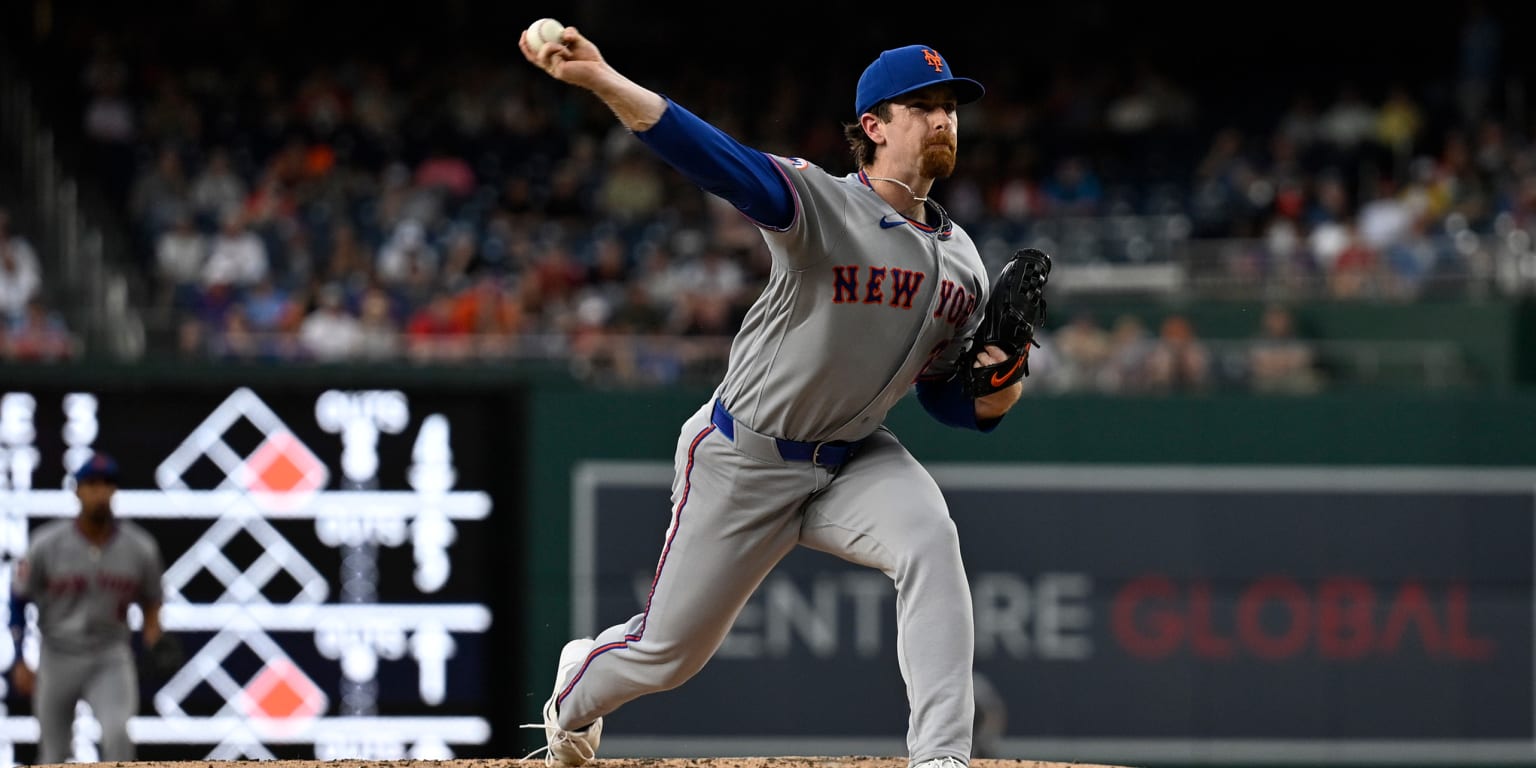
Nolan McLean finally cracked after eighteen consecutive competent starts. Over five innings at Nationals Park on Tuesday, the Mets right-hander allowed nine runs—six earned—the heaviest damage of his young career, ballooning his ERA from 2.92 to 3.57 in a single afternoon. The line itself tells part of the story: nine batted balls at 97-plus mph exit velocity, two walks, two hit batsmen. But the full context matters for what it reveals about both McLean's actual control and the organizational circumstances that forced him to pitch through trouble he might normally have exited.
The inning-by-inning collapse started innocuously enough. McLean retired five of his first six batters, then walked into a second-inning ambush: a double, a hit batsman, an infield single, and bases loaded for James Wood. What should have been damage control turned catastrophic when Nick Morabito, the Mets' No. 11 prospect making his MLB debut in left field, got a glove on Wood's 101.3 mph fly ball but let it slip through. Center fielder Tyrone Taylor's hesitation—a moment spent checking on Morabito rather than sprinting to retrieve the ball—gave Wood time to complete an inside-the-park grand slam. A José Tena solo shot in the third and a multi-error rally in the fourth compounded the wreckage. Only in the final stretch did McLean reassert command, striking out four of the last seven batters faced.
Here's where the story becomes a referendum on the Mets' roster construction: Manager Carlos Mendoza left McLean in deep into the middle innings not because he believed the pitcher could work through adversity, but because the bullpen was gutted. New York had expended seven relievers in a 12-inning game Monday and elected not to activate a replacement from the minors. Mendoza's pregame commentary—"We got the right guy starting for us today"—turned ironic fast, but his decision to let McLean absorb five innings of damage was less about confidence and more about necessity. The bullpen was operational theater, not a functional relief corps.
For prop bettors, this game creates a narrow but important data point. McLean's line on strikeout props should stabilize closer to his 8.2 K/9 career rate now that this outlier is in the books; the nine hard-hit balls and elevated walk rate (2 in 5 innings) signal a mechanical blip, not a new baseline. More durable is the Mets' team-total exposure risk over the next week. Until that bullpen gets reinforcement, games where New York's starter encounters early trouble—a pattern McLean just demonstrated is possible even for competent pitchers operating behind a shaky defense—could spiral fast. The Nationals capitalized on compounding errors; other offenses will too. Expect Mets team totals to price in a wider margin for bullpen inflammation.
McLean will bounce back. The stuff is legitimate and the surface-level numbers (2.92 ERA before Tuesday, solid strikeout rate) reflect his real talent level. But this outing serves as a reminder that even a promising young starter's floor can sink when he's asked to go five innings behind a defense that's still learning and a bullpen running on fumes.