McClanahan's May Mastery Sets Up June Run; Rays' Home Dominance Extends to Six Straight Series
By Justin Erickson ·
Shane McClanahan finished May with a 1.41 ERA across six starts as Tampa Bay's starting pitching stabilizes; the Rays' home record now stands as the most reliable edge in their lineup.
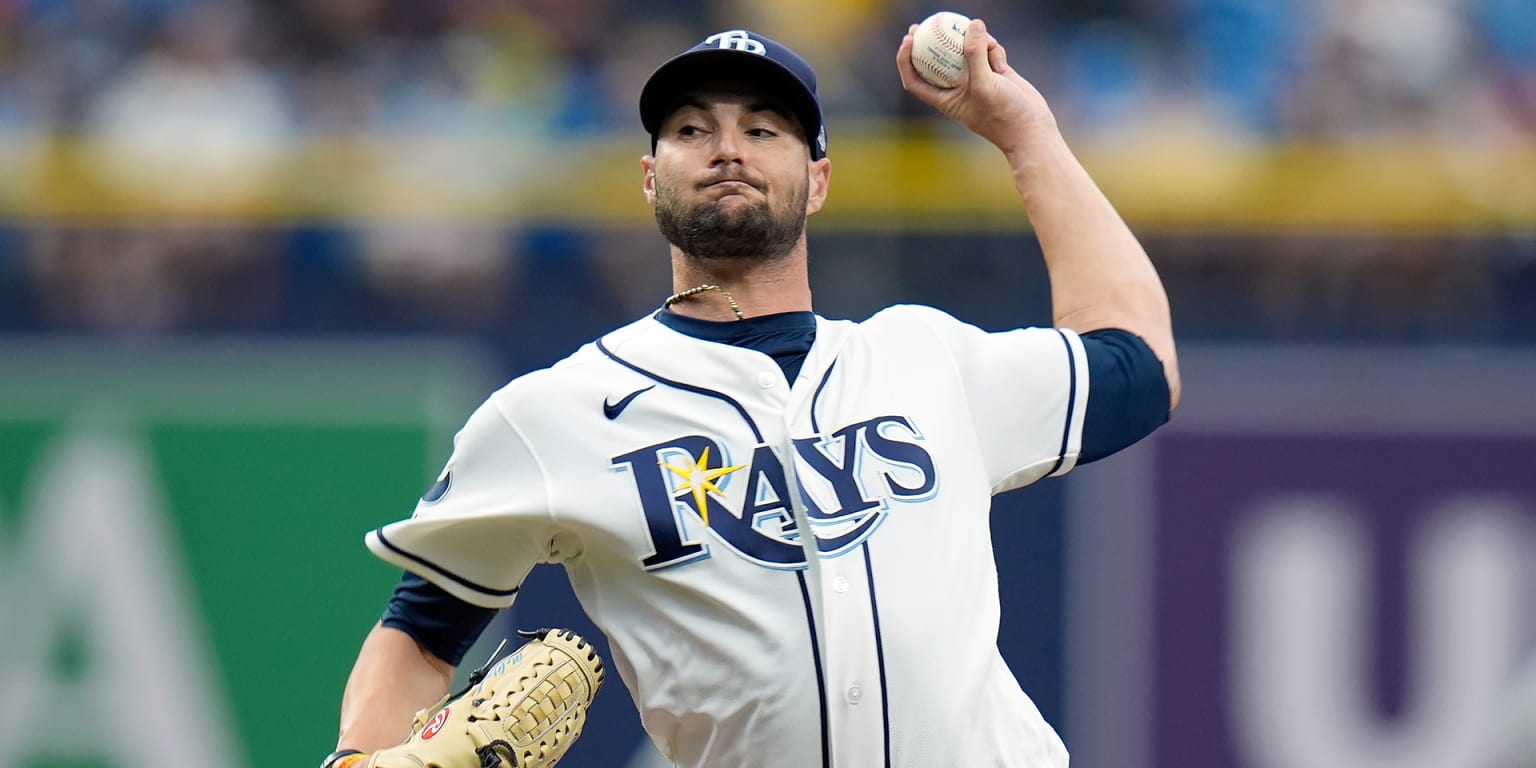
The Rays closed May with a 5-2 victory over the Angels on Sunday, locking down their sixth consecutive home series win at Tropicana Field. Shane McClanahan was the architect—five innings, one run, four hits, 70 pitches. The outing capped a historically strong month for the right-hander: a 4-0 record with a 1.41 ERA across six May starts, each one lasting at least five innings. That workload and results matter. McClanahan didn't blow past the Angels; he methodically shut them down, and his infield—particularly Taylor Walls' acrobatic grab in the third and Junior Caminero's full-extension stop in the fifth—converted potential damage into clean sheets.
Jonathan Aranda carried the offensive load, launching his 11th home run of the season in the first inning and leading MLB in May with a .379 average, .467 on-base percentage, and 1.008 OPS. But the Rays struggled to capitalize on volume: 12 runners left on base, 3-for-14 with runners in scoring position. They won anyway, squeezing out three runs from bases-loaded situations after wasting chances Saturday. That's not sustainable—but it's also not the story. The story is the home fortress. Six straight series wins at Tropicana Field is the kind of pattern that appears in team-total props and moneyline movements. The Angels had no answer for either McClanahan or the defensive execution; the Rays' pitching staff hasn't allowed more than two runs at home across this stretch.
From a betting lens, McClanahan's May performance reveals a pitcher operating at elite efficiency. A 1.41 ERA over 30+ innings in one month doesn't account for random variance—it signals a pitcher executing a plan. His pitch selection and command, paired with Tampa Bay's home-field advantage and infield defense, create a structural edge. When the Rays host division opponents or AL East teams in early June, McClanahan is likely to draw assignments in high-leverage games. His ability to work five innings on 70 pitches, holding quality opponents to single runs, makes him a reliable lever in first-five-innings unders, especially at home. The Angels managed only one run in five innings; if McClanahan faces a similar offensive profile next start, the under on first-five-innings totals becomes viable. Additionally, Tampa Bay's streak of home series wins has begun to reflect in their moneyline pricing; sharp books have already compressed the gap between their home and road odds. The value sits in early-month props tethered to McClanahan's next home start: strikeout totals should be moderately offered given his 70-pitch economy, and team totals should be treated with caution—the Rays score just enough to win, not enough to push overs on a consistent basis.