Dustin May Finally Breaks Through After 49-Day Win Drought
By Justin Erickson ·
A shutout performance ends a month-plus stretch without a victory, signaling either real recovery or a dangerous trap for bettors ready to chase the narrative.
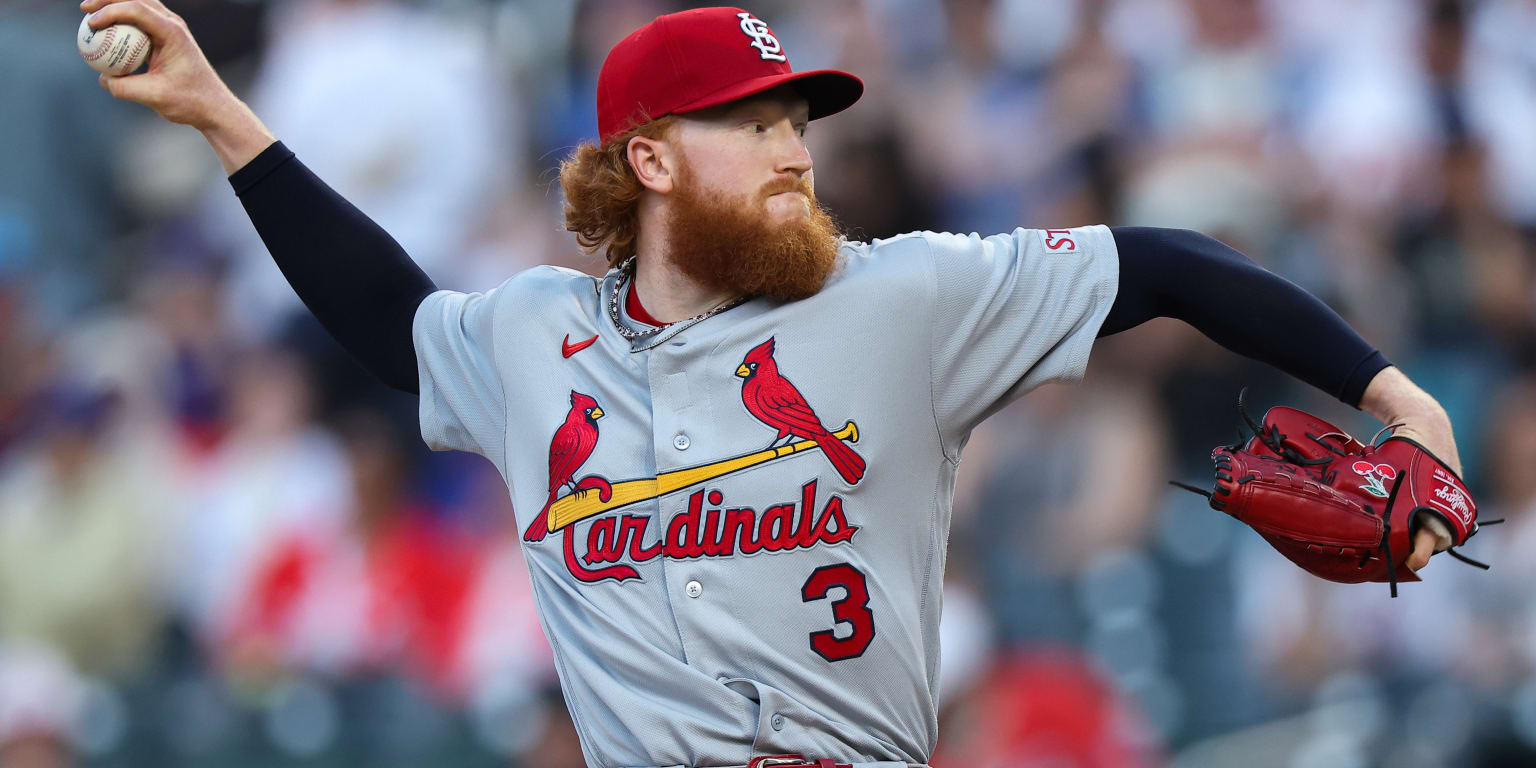
Dustin May authored his first win since April 21 on Tuesday when the Cardinals blanked the Mets 7-0 at Citi Field, a 49-day drought that felt less like a pitching problem and more like run-support roulette. May himself was crisp: six innings, four hits, one walk, six strikeouts. The Mets had their opportunities—A.J. Ewing doubled with one out in the second, reaching third on a passed ball—but May executed his way out of pressure twice, striking out the side with runners in scoring position.
The real story, though, is what this win doesn't tell us about May's season trajectory. Dustin May carried a 3.67 ERA into Tuesday with a strikeout rate (8.8 per nine) that sits at his career average. The difference between his April 21 win and this one wasn't a sudden return to form; it was the Cardinals deciding to score seven runs. May's underlying stuff—walk rate, whiff percentage, ground-ball rate—has been relatively stable. The Cardinals' offense, meanwhile, had been a concrete anchor for most of the month until Nathan Church's sensational catch in the fourth bailed out May, and JJ Wetherholt's third-inning blast broke the game open. This is a cautionary tale about conflating a pitcher's narrative arc with his actual performance change.
What makes this setup dangerous for bettors is the media gradient: a pitcher's "first win in 49 days" carries psychological weight that doesn't always align with his strikeout frequency or ERA trajectory. May struck out six, but that's only slightly better than his season rate. His command was clean—one walk in six innings—but again, not anomalous. The Mets, meanwhile, mustered only four hits against him. They didn't suddenly get worse; May didn't suddenly vault into an elite strikeout band. The game played out as a competent outing paired with below-average opponent offensive execution.
For proposition bettors, the immediate risk is overweighting the narrative. May's next start will likely see his strikeout prop nudge upward—the market will price in the "he's back" story—because the national conversation centers on the 49-day gap, not on the fact that his K-rates have remained consistent. If sportsbooks bump his strikeout total from 5.5 to 6.5 on the strength of Tuesday's game, that move reflects market psychology, not a detectable change in his ability to miss bats. The Cardinals' five-game winning streak is real, but it's built on a suddenly hot offense (six runs against Freddy Peralta in a single inning is not normal), not on May's arm developing new weaponry. Watch for his next matchup: if the opposing lineup has similar or stronger contact management to the Mets' on Tuesday, fade any aggressive upward adjustment to his strikeout prop. The edge is in recognizing that one clean outing after a drought is still just one outing.