Castillo's Frustration Exposes the Fault Lines in Seattle's Piggyback Gamble
By Justin Erickson ·
Seattle's rotation experiment is winning games but fracturing pitcher confidence—and that instability will bleed into betting models faster than a blow-out score can hide it.
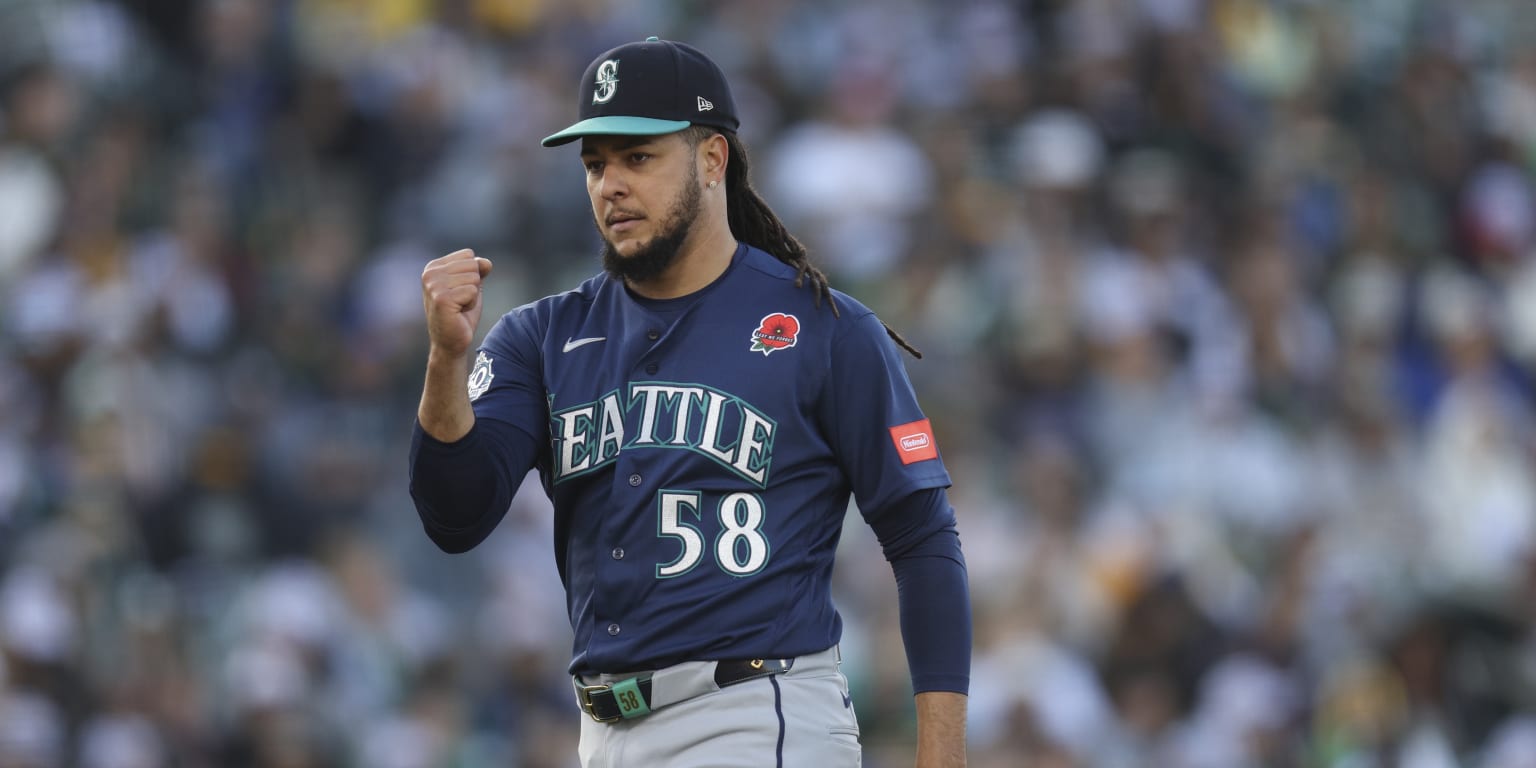
Luis Castillo was dominant through four innings Monday against Oakland: 68 pitches, two hits, six strikeouts, zero runs. Then Dan Wilson pulled him. The frustration was immediate—glove slammed into the bench, a tense dugout exchange—because Castillo knew exactly what was happening. He was being yanked mid-flow for Bryce Miller in yet another rotation experiment where Seattle deployed a piggyback strategy, splitting starts between two arms on a predetermined pitch-count map.
The Mariners won 9-2, so the outcome read clean on the scoreboard. Their offense erupted for six runs in the third inning—two-run shots from Luke Raley and Dominic Canzone, a solo homer from J.P. Crawford—which gave management the buffer to execute their tandem approach without risk. Miller pitched five innings of his own, allowing two runs, and Seattle coasted. But the comfort of a blowout masked a real organizational problem: neither pitcher in this rotation experiment is getting consistent leverage or autonomy, and both have now shown visible frustration when removed mid-quality start.
This is Seattle's second time running this piggyback in two weeks. The first iteration, last Tuesday, had Miller starting and pitching 5 2/3 innings before being pulled—also while pitching well—at 72 pitches. Castillo took over for two scoreless innings, then was sent back out for the ninth inning despite a 1-0 lead and a closer (Andrés Muñoz) in the bullpen. That decision cost the Mariners one of their most painful losses of the season when Muñoz imploded. The frustration, in other words, isn't new. It's systemic.
From a betting perspective, this rotation volatility directly impacts first-five-innings props and strikeout totals for both pitchers. Castillo came out at 68 pitches with a 0.00 ERA through four frames—elite performance by any measure—yet the market had no way to price the probability that he wouldn't return in the fifth. The same will apply to Miller in his next start. When a pitcher enters a game knowing he'll be yanked at a predetermined pitch count regardless of performance, his approach flattens. He stops pitching to innings and starts pitching to a number. That changes decision-making in the strike zone, chase rates, and early-count aggression. Additionally, the emotional friction—visible frustration translating into less mental elasticity in subsequent appearances—historically correlates with slightly elevated walk rates and fewer strikeouts in follow-up starts. Castillo and Miller's next outings, whichever pitcher gets the nod, should be viewed through the lens of a confidence deficit that won't show up in ESPN's preseason projections.