Mariners Swap Refsnyder Back In, Kennedy Out—A Depth Chart Reset With Real Lineup Implications
By Justin Erickson ·
Seattle reinstates Rob Refsnyder from the IL and designates Buddy Kennedy, signaling a strategic shift in how the team constructs its bench righty matchups.
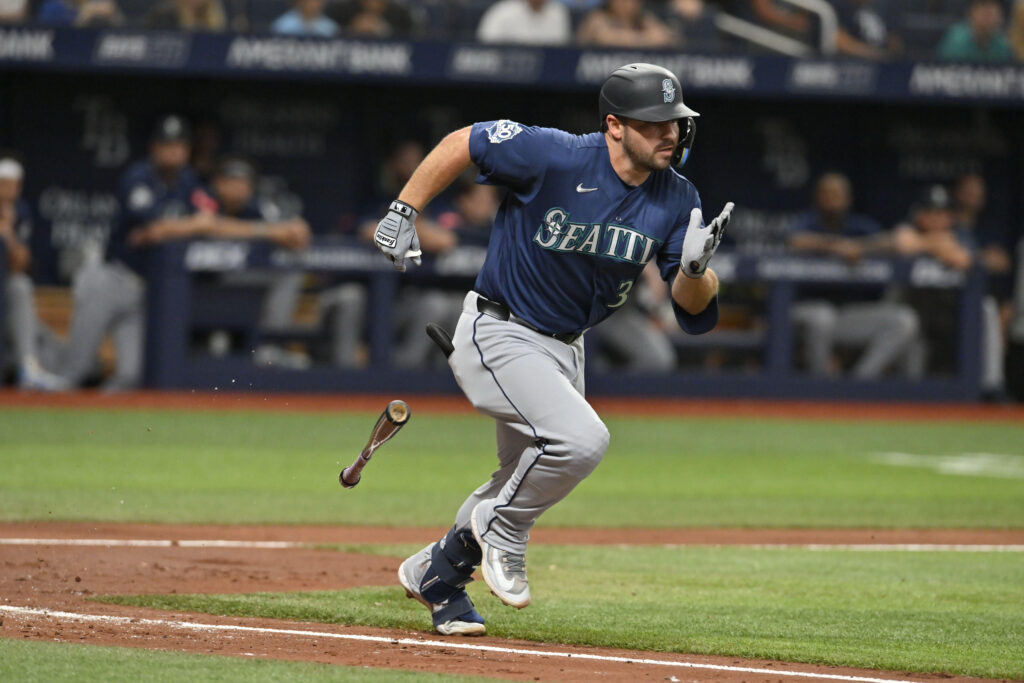
The Mariners reinstated outfielder Rob Refsnyder from the ten-day injured list on Tuesday, designating infielder Buddy Kennedy for assignment in the corresponding move. It's a straightforward depth-chart shuffle on its surface—a swap of reserve bats—but it carries real weight for how Seattle intends to construct its lineup against left-handed pitching down the stretch.
Refsnyder's return ends a brief stint on the IL and reestablishes him as the team's primary right-handed platoon option in the outfield and utility spots. Over his 11-year career, Refsnyder has posted a modest 2.4 WAR and weathered multiple seasons of negative value, yet he's remained a fixture in major-league rosters because of one persistent skill: he hits left-handed pitching. Against southpaws this season, Refsnyder is batting .282 with a .362 OBP—north of his career .265 average against righties. Teams trade roster spots for that kind of reliable asymmetry, especially late in July when every pinch-hit opportunity in a close game carries playoff weight.
Kennedy's departure removes a player who hasn't demonstrated the same platoon reliability. While Kennedy has shown occasional power upside (he's hit 8 home runs in limited at-bats this year), his strikeout rate sits at 29.1% and his contact quality against breaking balls ranks below the 40th percentile. In a compressed lineup role where you're brought in specifically to handle fastballs from a southpaw, those metrics work against you. Kennedy's designation clears space—and payroll flexibility—for a team that may eye veteran depth at the deadline.
From a betting standpoint, this is a tell about Seattle's confidence in its current roster construction. The Mariners' decision to stick with Refsnyder despite his career-long volatility suggests the front office views left-handed pitcher matchups as a recurring tactical problem worth solving with a known quantity, not a prospect or waiver discovery. That shapes how you should think about Seattle's team totals in games where the opponent starts a lefty. In those scenarios, Refsnyder's .282 BA against southpaws becomes part of the expected run-production math. If sportsbooks haven't yet adjusted team total lines to account for Refsnyder's return and his specific platoon splits, there's an edge in fading overs on nights when Seattle faces left-handed starters—the lineup has clearer structural weaknesses now that the team has publicly committed to filling one role with a defensive specialist who can't carry offensive weight elsewhere.
The inverse also matters: on days when Seattle's opponent sends a right-handed starter, Kennedy's absence actually strengthens the bench by removing a high-strikeout liability in late-game situations. That's a quiet volatility reducer for team total unders in those matchups. Watch whether the market reprices Seattle's team totals conditional on handedness; if it doesn't, Refsnyder's return becomes a profitable information edge within 48 hours.